

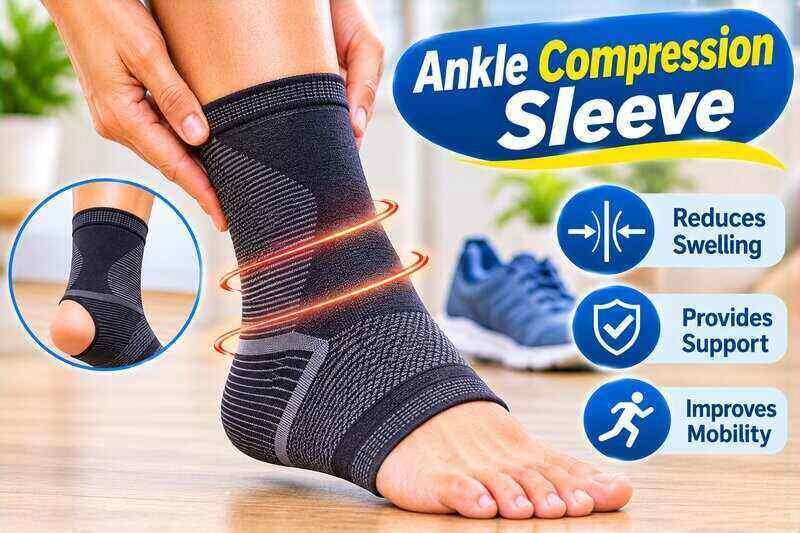
A compression sleeve for ankle support is one of the simplest and cheapest ways to manage mild swelling, soreness, and that “weak” feeling after a minor ankle injury. It slides on like a sock without toes or heel, applies steady pressure around the joint, and fits easily inside most shoes. Many runners, nurses, retail workers, and older adults wear one daily.
But a sleeve is not a brace, and the research on compression for ankle sprains is more mixed than marketing suggests. This guide explains what an ankle compression sleeve can and cannot do, how it compares with compression socks, wraps, and braces, how to pick the right size and pressure, and who should avoid compression.

Key Takeaways
- An ankle compression sleeve provides light support and steady pressure that can ease mild swelling and soreness.
- Evidence for compression after an ankle sprain is limited. A 2014 randomized trial found compression stockings did not shorten time to painless walking, but did speed return to sport in a subgroup of athletes.
- Sleeves do not stop the ankle from rolling, so use a lace-up or semi-rigid brace for moderate to severe sprains and for sport.
- People with peripheral artery disease, certain skin conditions, or numbness in the feet should talk to a doctor before using compression.
What Is an Ankle Compression Sleeve?
An ankle compression sleeve is a tube of stretchy knit fabric, usually nylon and spandex, that covers the foot arch and ankle and often extends a few inches up the shin. Most are open at the toes and heel. Some have silicone grip bands, extra padding around the ankle bones, or reinforced zones over the Achilles tendon.
Compression sleeves differ from:
- Compression socks: cover the whole foot and usually reach the knee, with graduated pressure that is strongest at the ankle
- Elastic wraps: bandages you wind around the ankle, which loosen with movement
- Ankle braces: add straps, laces, or plastic supports that actively limit rolling
How Compression Works
Compression squeezes the tissues gently from the outside. This can:
- Limit how much fluid collects in the tissues, which reduces swelling
- Support the return of blood from the veins back toward the heart
- Increase awareness of the ankle’s position, which some people find steadies their stride
- Provide warmth and a sense of support that can make movement more comfortable
Compression strength is measured in millimeters of mercury (mmHg). According to the National Blood Clot Alliance, stockings up to 20 mmHg are typically sold over the counter and used for minor swelling or discomfort from standing. Most ankle sleeves fall into the light to mild range, around 8 to 20 mmHg, while medical-grade socks go higher.
| Compression level | Typical use | Prescription needed? |
|---|---|---|
| 8 to 15 mmHg (light) | Tired legs, light everyday support | No |
| 15 to 20 mmHg (mild) | Mild swelling, travel, long hours standing | No |
| 20 to 30 mmHg (moderate) | Moderate swelling, varicose veins | Usually advised by a clinician |
| 30 to 40 mmHg (firm) | Significant swelling, lymphedema, after vein procedures | Yes |
Does a Compression Sleeve Help a Sprained Ankle?
Here is what the research shows, honestly:
- A multicenter randomized trial in the American Journal of Emergency Medicine gave 126 adults with a recent ankle sprain either compression stockings or non-compressive placebo stockings. Compression did not significantly shorten the time to normal, painless walking. However, in the subgroup of people who played sport regularly, compression significantly shortened the time to return to sport.
- A systematic review in the Journal of Athletic Training on compression wraps for acute joint injuries could not show either a beneficial or a harmful effect of compression compared with no compression as a first aid treatment. The certainty of evidence was low.
In short, compression is safe for most people and may make an injured ankle feel better, but it is not a proven way to heal a sprain faster. For moderate and severe sprains, a brace has stronger evidence. See our comparison of a sprained ankle brace or wrap for the data.

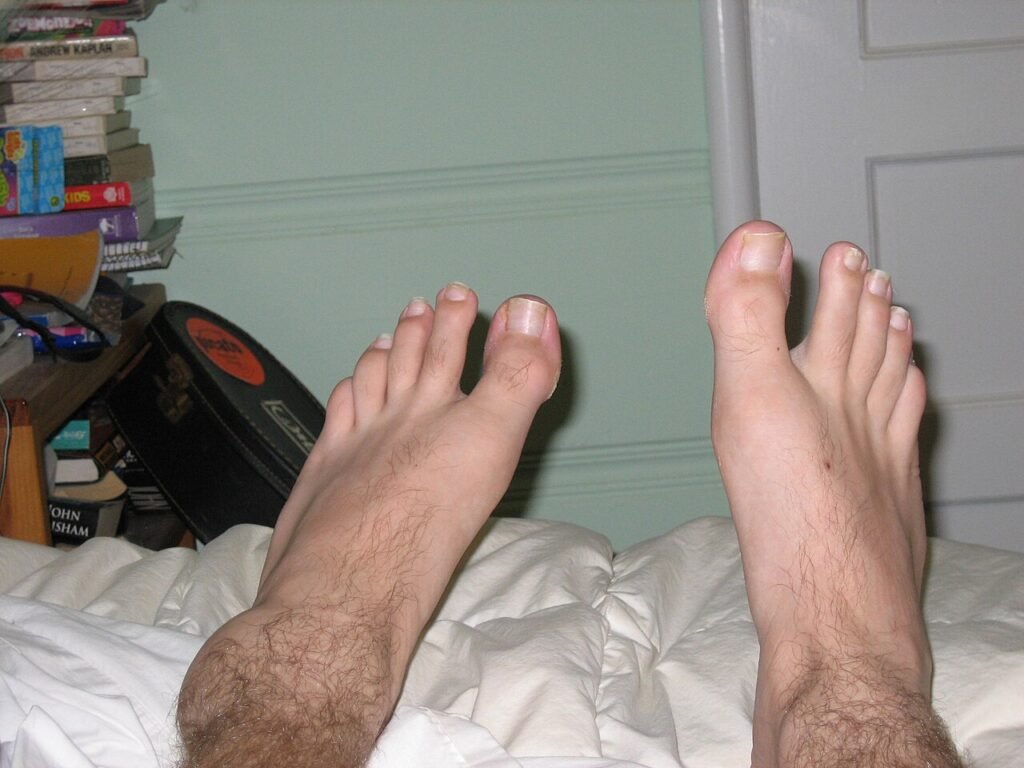
Image: Daniel Olsen, CC BY 2.5, via Wikimedia Commons
Who Benefits Most From an Ankle Compression Sleeve?
- People with mild sprains: for comfort once the worst swelling has passed
- Runners and athletes: for light support and a better sense of joint position during training
- People on their feet all day: nurses, teachers, retail and warehouse workers with end-of-day ankle swelling
- Older adults: for mild ankle swelling and stiffness
- People with mild arthritis or tendinitis: warmth and gentle compression can ease stiffness; see our guide to ankle joint pain
- People late in fracture or sprain recovery: after moving out of a boot or brace, when swelling lingers; see our guide to the ankle brace for broken ankle recovery
Compression Sleeve vs Compression Socks vs Brace
| Feature | Ankle compression sleeve | Compression socks | Ankle brace |
|---|---|---|---|
| Coverage | Arch and ankle, sometimes lower shin | Foot to knee | Ankle and heel |
| Pressure | Light to mild | Mild to firm, graduated | Mechanical support, little compression |
| Swelling control | Ankle area | Whole lower leg | Limited |
| Stops rolling | No | No | Yes |
| Typical U.S. price | $10 to $35 | $15 to $50 | $20 to $90 |
| Best for | Mild sprains, sore ankles, sport | Leg and ankle swelling, long days, travel | Moderate to severe sprains, instability, sport |
If swelling affects your whole lower leg, compression socks for ankle and leg swelling are usually better than a short sleeve, because they apply graduated pressure from the ankle upward. If your ankle rolls or feels unstable, you need a brace; see our main guide to the best ankle braces.
Watch: How to Use an Ankle Compression Sleeve
A physical therapy clinic explains when and how to use an ankle compression sleeve.

How to Choose the Best Ankle Compression Sleeve
Sizing
Sizes are based on ankle and arch circumference, and sometimes shoe size. Measure in the morning when swelling is lowest. Use a soft tape measure around the narrowest part of the ankle and around the arch. If you are between sizes, most brands suggest the larger size for comfort or the smaller for firmer support.
Features to Look For
- Breathable, moisture-wicking fabric for all-day wear
- Seamless or flat seams to avoid rubbing
- Silicone gel pads around the ankle bones if you want extra cushioning
- Grip bands at the top so the sleeve does not slide
- Open heel for a better fit in athletic shoes
- Machine-washable material that keeps its stretch
Sleeve With Straps
Some sleeves add an elastic figure-eight strap. These offer a little more support and are a good middle ground for mild sprains or people who want more than a sleeve but less than a full brace.
How to Wear an Ankle Compression Sleeve
- Turn the sleeve partly inside out down to the heel opening
- Slide your foot in up to the arch
- Roll the rest over the heel and ankle, smoothing out wrinkles
- Check that it is snug but not painful, with no numbness or color change in the toes
- Wear it during the day and remove it at night unless your doctor advises otherwise
- Wash it often, ideally by hand, and air-dry it to keep its stretch
Own two sleeves so you can rotate them while one is drying. For tips on fitting supports with shoes, see our guide on how to wear an ankle brace with shoes.

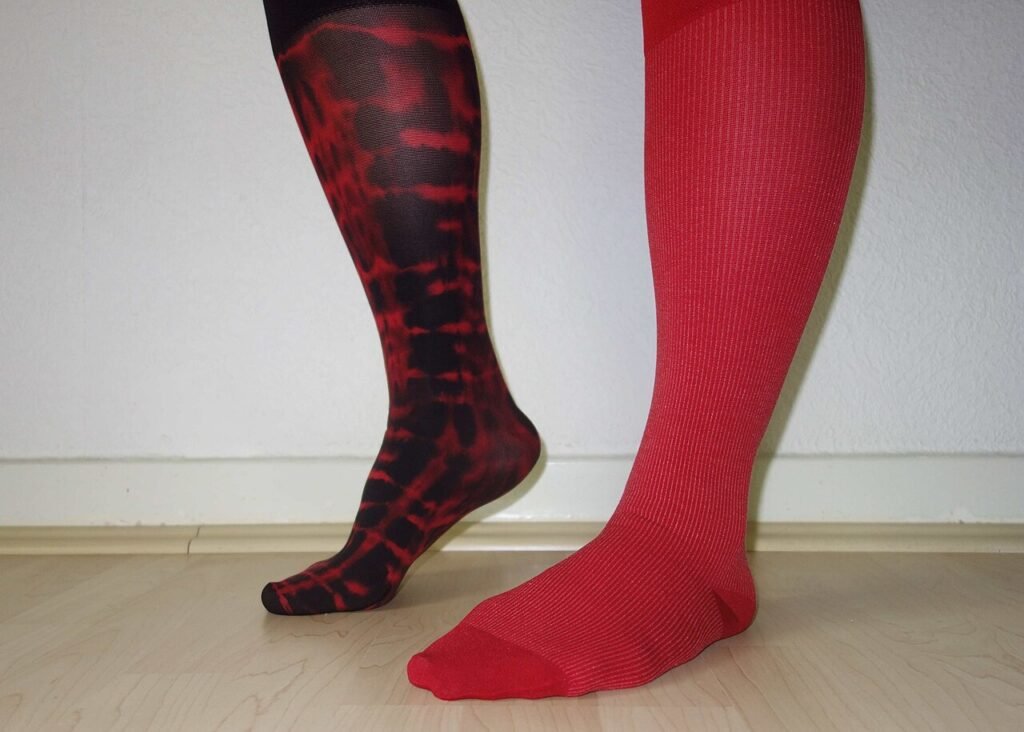
Image: Enter, CC BY-SA 4.0, via Wikimedia Commons
Compression Sleeve for Ankle Use in Sports, Work, and Travel
Running and Court Sports
Many runners wear an ankle compression sleeve for light support and a better feel for joint position. It can be useful when returning from a mild sprain or during a flare of mild tendinitis. It will not stop a hard roll on a basketball or volleyball court, though. For cutting and jumping sports after a sprain, wear a lace-up or semi-rigid brace instead, and keep up balance work from our ankle exercises for rehabilitation program.
Achilles and Tendon Soreness
Some sleeves extend higher up the leg or have a padded zone over the Achilles. These can ease mild tendon soreness and protect the tendon from shoe rubbing. If the pain is at the back of your heel and lasts more than a few weeks, see our guide to back of ankle pain and our overview of the ankle tendons.
Long Shifts on Your Feet
If your ankles swell by the end of a long shift, a sleeve helps the ankle itself, but knee-high compression socks usually work better because they support the whole lower leg. Many nurses and retail workers choose 15 to 20 mmHg socks for all-day use. Supportive shoes matter as much as compression; see our review of the best shoes for ankle support.
Air Travel and Long Drives
Sitting for hours can make ankles puffy. Knee-high compression socks are the usual choice for flights and road trips because they help blood flow through the calf as well as the ankle. Walk around every hour or two and flex your ankles in your seat. People at higher risk of blood clots should ask a doctor about the right compression level before a long trip.
Common Mistakes With Ankle Compression Sleeves
- Choosing the wrong size: a sleeve that is too tight can dig in and restrict blood flow, while one that is too loose does nothing
- Measuring at night: ankles are usually more swollen later in the day, which can lead to buying a size too large
- Using a sleeve for a serious sprain: if you cannot bear weight or your ankle feels unstable, you need a doctor and probably a brace
- Wearing it wet or dirty: sweat and bacteria break down the fabric and can irritate the skin
- Expecting it to fix the problem: compression manages symptoms, while strength and balance exercises address the cause
- Ignoring warning signs: one-sided leg swelling, calf pain, or warmth can signal a blood clot and needs urgent care
How Long Does an Ankle Compression Sleeve Last?
With regular use, most sleeves keep their compression for about 3 to 6 months. Signs that it is time to replace yours include a looser feel, slipping, thinning fabric, or a sleeve that no longer leaves light marks on the skin. Hand washing in cool water and air-drying extend its life. Avoid dryers and fabric softeners, which damage elastic fibers.
If you rolled your ankle recently, start with the first-aid steps in our rolled ankle treatment guide before deciding whether a sleeve, wrap, or brace fits best.
Who Should Avoid Compression
Compression is safe for most people, but talk to a doctor first if you have:
- Peripheral artery disease or poor circulation in the legs
- Diabetes with numbness in the feet
- Skin infections, open wounds, or fragile skin on the ankle
- Heart failure with leg swelling
- Sudden swelling in one leg, which may be a blood clot and needs urgent care
Remove the sleeve right away if your toes become numb, tingly, pale, blue, or cold.
Frequently Asked Questions
Can I wear an ankle compression sleeve all day?
Most people can wear a light compression sleeve all day. Take it off at night and check your skin for redness or marks.
Should I sleep in an ankle compression sleeve?
Generally no, unless a doctor recommends it. Swelling usually goes down when you lie flat, and compression is not needed while you sleep.
Do compression sleeves help ankle arthritis?
Many people with mild arthritis find the warmth and gentle pressure ease stiffness. A sleeve does not change the arthritis itself, so combine it with exercise and supportive shoes.
Is a compression sleeve enough for a sprained ankle?
For a mild sprain, it may be. For moderate or severe sprains, or if your ankle feels loose, a lace-up or semi-rigid brace gives better protection.
Can I wear a compression sleeve under a brace?
Yes. A thin sleeve can add comfort and compression under a brace, as long as the combination fits your shoe and is not too tight.
What is the difference between an ankle sleeve and an ankle brace?
A sleeve is a stretchy knit tube that gives compression and light support. A brace adds straps, laces, or plastic shells that physically limit how far the ankle can roll. Sleeves suit mild problems and comfort; braces suit sprains, instability, and sport.
Are ankle compression sleeves good for plantar fasciitis?
Sleeves that cover the arch can ease mild heel and arch soreness for some people, but stretching, supportive shoes, and arch support usually matter more for plantar fasciitis.
Can kids wear ankle compression sleeves?
Yes, youth sizes exist, and they are often used in sports. Check the size chart carefully and make sure the sleeve never leaves deep marks or causes numbness.
What compression level should I choose for an ankle sleeve?
For everyday comfort and mild swelling, light to mild compression of about 15 to 20 mmHg is a sensible starting point. Higher levels are best chosen with a doctor’s advice.
The Bottom Line
A compression sleeve for ankle support is a comfortable, low-cost option for mild swelling, soreness, and light support during sport or long days on your feet. Research does not show it speeds healing of most sprains, though it may help athletes return to sport sooner. Choose the right size, keep pressure in the mild range unless a clinician advises more, and move up to a brace if your ankle feels unstable.
This article is for general information and is not medical advice. Ask your doctor before using compression if you have circulation problems or diabetes.


Hi, I’m Mamon, the content creator behind this blog. I share my experience in blogging, WordPress, SEO, and affiliate marketing through honest product reviews, in-depth buying guides, and practical how-to articles. Every piece of content is thoroughly researched and written to help readers make informed decisions.