

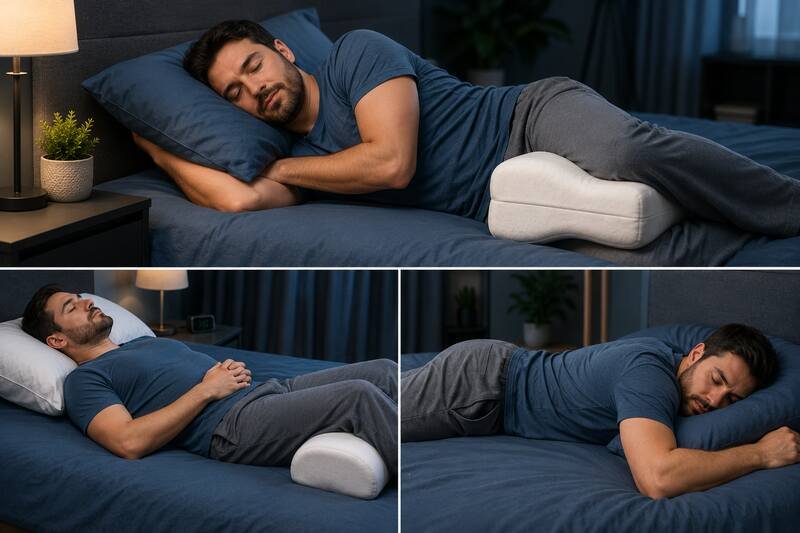

Whether you or someone you love has high blood pressure, understanding how sleep position fits into the bigger picture can make a real difference. Doctors and sleep researchers have found that poor sleep quality and certain sleep positions are closely tied to blood pressure. It often stays elevated even during rest, when it should naturally dip.
In this guide, we cover the sleeping posture most experts recommend and the positions worth avoiding. We also cover what recent research actually shows about lying down and blood pressure, plus the sleep habits that support healthy numbers over time.
Key Takeaways
- 48.1% of American adults, about 119.9 million people, have high blood pressure, according to the CDC
- Side sleeping is generally recommended over back sleeping, mainly because it reduces sleep apnea severity, a major driver of high blood pressure
- Left-side sleeping may offer added circulation benefits for some people, though direct research on blood pressure specifically remains limited
- A 2023 study of over 11,000 adults found that elevated blood pressure while lying down is linked to significantly higher long-term cardiovascular risk
Importance of Proper Sleep to Control High Blood Pressure
Most of us have heard that good sleep supports overall health. The connection to blood pressure specifically, though, is more direct than many people realize. Physicians and sleep researchers agree that consistent, quality sleep helps keep blood pressure in a healthy range. Even people already diagnosed with hypertension can see meaningful improvement by addressing their sleep habits.
Betty Kampman, CNP, a nurse practitioner specializing in sleep medicine at University Hospitals in Ohio, has seen this play out with her own patients. “With improved sleep, we may see an improvement in blood pressure,” she explained. “Some patients have even been able to decrease or discontinue their medications.”
Kampman also emphasizes that sleep benefits extend well beyond blood pressure alone. “At the end of the day, if they get a good night’s sleep, that improves a multitude of things,” she said. She calls sufficient rest “a pillar of health.”
Adults generally need 7 to 9 hours of sleep per night. Falling short of that regularly is associated with higher hypertension risk. This is partly because blood pressure normally drops during healthy sleep. When sleep is short, fragmented, or poor quality, that nighttime dip often fails to happen. That failure places extra strain on the cardiovascular system over time. This pattern shows up more often in people with chronic kidney disease, diabetes, resistant hypertension, and obstructive sleep apnea.
Understanding this connection is the first step toward answering what is the best sleeping position for high blood pressure in a way that actually holds up. Posture alone cannot compensate for consistently poor sleep quality or duration.
What Is The Best Sleeping Position For High Blood Pressure?
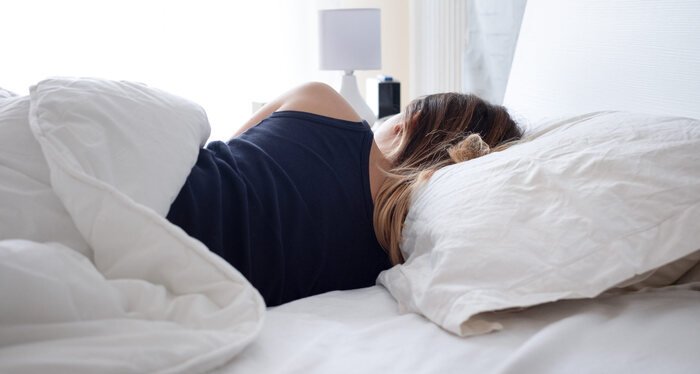
Sleep physicians generally agree on one broad principle. Side sleeping tends to be better for blood pressure and heart health than sleeping flat on your back. The reasons behind this recommendation, though, are more nuanced than a single simple mechanism.

Why Side Sleeping Is Usually Recommended
According to a 2025 American Heart Association report, the strongest evidence connecting sleep position to heart health involves sleep apnea, not blood pressure directly. Dr. Susan Redline, a sleep medicine professor at Brigham and Women’s Hospital, notes that people with sleep apnea tend to have much worse apnea when sleeping on their back. Side sleeping, in her clinical experience, is consistently better. Since sleep apnea itself is strongly linked to hypertension, irregular heartbeat, and elevated stroke risk, avoiding back sleeping can meaningfully help blood pressure indirectly, even without a direct mechanical effect.
Left-side sleeping specifically is often recommended on top of general side sleeping. Some evidence suggests it may ease circulation for people with acid reflux. It may also support healthier blood flow during pregnancy. That said, the same American Heart Association report notes something important: direct research connecting left-side sleeping to blood pressure control in the general population remains limited. It is best understood as a reasonable, low-risk choice rather than a guaranteed fix.
Who Might Prefer the Right Side Instead
Interestingly, some people with heart failure report feeling more breathless when sleeping on their left side. They often find right-side sleeping more comfortable instead. If a particular side leaves you feeling worse, mention it to your doctor rather than forcing a position that does not work for your body.
Does the Ideal Position Change With Age or Health Conditions?
Not everyone needs to follow the same advice. Dr. Devin L. Brown, a neurology professor at the University of Michigan, has studied sleep position specifically in stroke patients. She found that avoiding back sleeping modestly reduced how severe their sleep apnea episodes were. Whether that translates into a lower long-term stroke risk is still being studied. Still, it points to why doctors increasingly personalize sleep position advice for people with a history of stroke, heart failure, or severe sleep apnea. A single blanket recommendation rarely fits everyone asking what is the best sleeping position for high blood pressure.
For most healthy adults without one of these conditions, Dr. Redline’s advice is simpler. Choose a comfortable position that lets you sleep through the night with the fewest interruptions. Prioritize getting 7 to 9 hours regardless of which side you favor.

Which Sleeping Style Should You Choose?
Beyond picking a side, how you position your body matters too. Most sleep specialists recommend lying in a fairly straight, relaxed position rather than curling tightly into a ball. Bending your knees slightly is fine and often more comfortable. Avoid pulling your whole body into a tight curl, though. That posture can add unnecessary pressure on your chest and upper body, and it may contribute to back pain over time.
Elevating your head slightly with a supportive pillow can also help. This modest elevation supports healthier blood return to the heart during sleep. It may make a noticeable difference for people who wake up with morning grogginess, one of the signs worth tracking alongside your morning blood pressure readings.
Whatever position you land on, remember that posture alone will not fully answer what is the best sleeping position for high blood pressure. It works best paired with consistent, adequate sleep duration and good overall sleep hygiene, which we cover further down.
What the Research Shows About Lying Down and Blood Pressure
A large study presented at the American Heart Association’s Hypertension Scientific Sessions in 2023 adds important context here. Researchers led by Duc M. Giao, then a fourth-year medical student at Harvard Medical School, followed 11,369 adults from the long-running Atherosclerosis Risk in Communities study. Participants were tracked for an average of 25 to 28 years.

The study found that 16% of participants without elevated seated blood pressure still had elevated readings while lying down. Among those with elevated seated blood pressure, 74% also had elevated supine readings. People with both seated and supine hypertension had substantially higher long-term risk. Compared to those without either pattern, their risk was 1.6 times higher for coronary heart disease and 1.83 times higher for heart failure. Stroke risk was 1.86 times higher, and risk of early death was 1.43 times higher.
“If blood pressure is only measured while people are seated upright, cardiovascular disease risk may be missed if not measured also while they are lying supine on their backs,” Giao said, presenting the findings. This research focused on measurement rather than sleep position specifically. Still, it underscores just how much your body’s blood pressure behavior while lying down matters for long-term heart health. That reinforces why good sleep posture and sleep quality deserve real attention, not just an afterthought behind diet and exercise.
Positions and Habits to Avoid
Sleeping flat on your back is generally the position to be most cautious about. This is especially true if you snore, have been told you might have sleep apnea, or already live with high blood pressure. Back sleeping tends to worsen airway obstruction. That obstruction can trigger the repeated overnight stress responses that keep blood pressure elevated.

Tightly curling your body into a fetal position can also work against you. It puts extra pressure on your chest and restricts easy breathing. A few other habits can undercut even the best sleeping posture, regardless of position: a full stomach at bedtime, alcohol still in your system, or a room full of screen light. Each of these disrupts the deep sleep your cardiovascular system needs to recover overnight.
Sleeping Tips That Will Improve Your Blood Pressure
Sleep posture is only part of the answer to what is the best sleeping position for high blood pressure. According to the Centers for Disease Control and Prevention, these habits support the kind of consistent, restorative sleep that helps regulate blood pressure:
- Keep a consistent sleep schedule, going to bed and waking up at roughly the same time every day, including weekends
- Sleep in a dark, quiet, cool bedroom; blackout curtains and white noise can help if outside light or sound is a problem
- Avoid large meals, alcohol, and caffeine in the few hours before bedtime
- Get regular physical activity during the day, which supports both deeper sleep and healthier blood pressure
- Limit screen time before bed, and consider keeping phones and other devices out of the bedroom entirely
A warm bath before bed or a short, gentle yoga session can also help signal to your body that it is time to wind down. Alongside these habits, track your numbers with a reliable blood pressure monitor and keep up with home blood pressure monitoring. Doing so helps you see whether changes to your sleep routine are actually making a difference. If you suspect snoring or pauses in breathing at night, it is also worth reviewing the symptoms of obstructive sleep apnea. Treating it often improves blood pressure meaningfully on its own.
And if chronic pain is disrupting your sleep, our resource on how pain affects blood pressure and heart rate explains that connection in more depth.

Frequently Asked Questions
Q: How can I lower my blood pressure by sleeping?
Prioritize side sleeping over back sleeping. Aim for 7 to 9 hours of consistent, uninterrupted sleep, and address any signs of sleep apnea with your doctor. Together, these changes support the natural nighttime blood pressure dip your cardiovascular system relies on.
Q: Is a slightly elevated pillow good for high blood pressure?
Many sleep specialists suggest it can help. A modest head elevation supports healthier blood return to the heart during sleep. It works best, though, as part of a broader sleep routine rather than as a standalone fix.
Q: Does what is the best sleeping position for high blood pressure really matter if I already take medication?
Yes. Sleep posture and quality work alongside medication rather than replacing it. Many patients who improve their sleep habits are able to better manage their blood pressure. Some, under their doctor’s guidance, are even able to reduce their medication needs over time.
Blood pressure can also drop unexpectedly in other situations, such as after surgery. Our guide on what causes low blood pressure after surgery explains what to watch for.
Conclusion
People across the country manage hypertension every day, and sleep is one of the most overlooked tools for doing it well. There is no single sleeping position that guarantees lower blood pressure. Still, side sleeping, particularly on the left, is the option most sleep and heart specialists recommend. It largely comes down to easier breathing and a reduced impact from sleep apnea.
Posture is only one piece of the puzzle, though. Consistent sleep of 7 to 9 hours, good sleep hygiene, and regular blood pressure monitoring all work together to protect your cardiovascular health. If you continue to struggle with sleep, or notice your blood pressure staying elevated despite these changes, talk to your doctor about a sleep evaluation. It may reveal an underlying issue, like sleep apnea, that turns out to be easier to treat than you think.


Hi, I’m Mamon, the content creator behind this blog. I share my experience in blogging, WordPress, SEO, and affiliate marketing through honest product reviews, in-depth buying guides, and practical how-to articles. Every piece of content is thoroughly researched and written to help readers make informed decisions.