

What is foot reflexology massage, and is it different from a regular foot rub? Foot reflexology is a hands-on technique that applies thumb and finger pressure to specific points on the soles, toes, and sides of the feet. Practitioners believe these points connect to other parts of the body. Many people simply find it deeply relaxing, and it has become one of the most popular complementary therapies in U.S. spas and wellness centers.
This guide explains what foot reflexology massage is, how it works in theory, what the research does and doesn’t support, what to expect at a session, how to try simple techniques at home, and who should be careful.

Key Takeaways
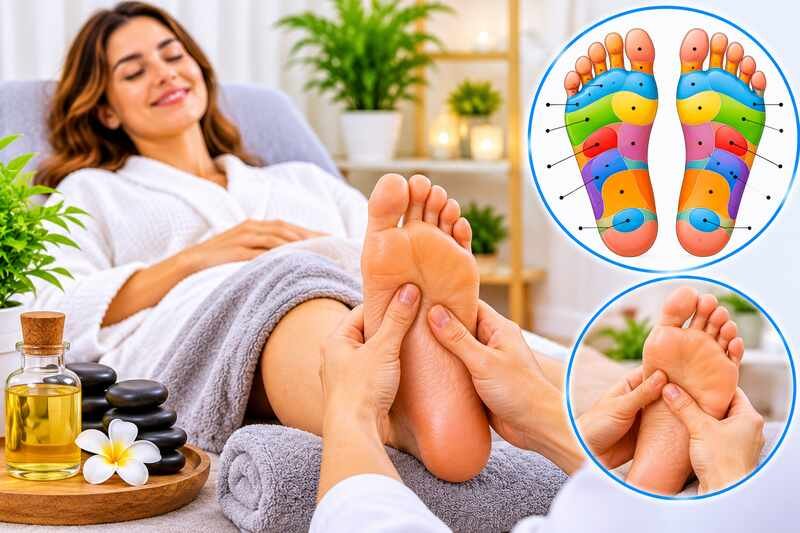
- Foot reflexology massage uses targeted pressure on areas of the feet that are mapped to other parts of the body on reflexology charts.
- It is generally relaxing and low risk, and some studies suggest it may help with stress, anxiety, and some types of pain.
- Reviews of clinical trials have not found convincing evidence that reflexology treats any specific medical condition.
- A session usually lasts 30 to 60 minutes and is done fully clothed, with only the feet uncovered.
- People with foot injuries, blood clots, diabetes-related nerve damage, or pregnancy complications should check with a doctor first.
What Is Foot Reflexology Massage?
Foot reflexology massage is a form of bodywork that focuses on the feet. A practitioner uses their thumbs and fingers to press, walk, and hold specific areas on your feet. Unlike a general foot massage, which aims to relax the muscles, reflexology follows a map, called a reflexology chart, that links each area of the foot to an organ or body system.
For example, reflexology charts usually show:
| Area of the foot | Linked body area on reflexology charts |
|---|---|
| Tips of the toes | Head and brain |
| Base of the toes | Sinuses, eyes, and ears |
| Ball of the foot | Chest, lungs, and heart |
| Arch | Digestive organs, such as the stomach and liver |
| Inner edge of the foot | Spine |
| Heel | Lower back and pelvis |
| Outer edge | Shoulders, hips, and knees |
The idea is that pressure on these points can promote relaxation and support the corresponding area of the body. There’s no scientific evidence that these maps match how the body actually works, but the massage itself can still feel very soothing.
Reflexology can also be done on the hands and ears, but the feet are the most common.
How Is Reflexology Different From a Regular Foot Massage?
| Factor | Foot reflexology | Regular foot massage |
|---|---|---|
| Goal | Stimulate mapped reflex points | Relax muscles and relieve tension |
| Technique | Thumb walking, finger pressure, holding points | Kneading, stroking, rubbing |
| Pressure | Targeted and sometimes firm | Usually broad and even |
| Oil or lotion | Often little or none | Usually used |
| Guided by charts | Yes | No |
| Feel | Focused, sometimes tender spots | Overall soothing |
In practice, the two overlap a lot. Many spa “reflexology” sessions include classic massage strokes too. For a broader look at massage styles, see our guide to types of massage techniques.
How Does Foot Reflexology Work?
Reflexologists explain their work in a few ways:
- Zone theory: The body is divided into vertical zones that run from head to toe, and pressure in one part of a zone affects the rest of it.
- Nerve signals: The feet have many nerve endings, and pressure may send calming signals to the nervous system.
- Energy flow: Some practitioners describe reflexology in terms of energy pathways, similar to concepts in traditional Chinese medicine.
Science offers a simpler explanation for why reflexology feels good. Like any massage, it can activate the body’s relaxation response, lower muscle tension, and provide caring human touch. The MSD Manual notes that in most clinical studies, reflexology’s effects tend to be general, such as relaxation, and are hard to tell apart from those of ordinary massage.
What Does the Research Say?
Foot reflexology massage is popular, but the evidence for medical benefits is limited.
Reviews of Clinical Trials
A systematic review published in the Medical Journal of Australia analyzed 18 randomized controlled trials covering conditions such as back pain, headache, irritable bowel syndrome, menopause, multiple sclerosis, and cancer. The author concluded that the best evidence available did not convincingly show reflexology to be an effective treatment for any medical condition. A 2011 update that included 23 trials reached the same conclusion.
Where It May Help
That doesn’t mean reflexology does nothing. The MSD Manual reports that a few meta-analyses found low-quality evidence that reflexology may help with pain in palliative care and during labor. And Mayo Clinic has noted that several studies suggest reflexology may reduce pain and psychological symptoms such as stress and anxiety and may improve relaxation and sleep, making it a reasonable, low-risk option for relaxation.
| Possible benefit | Strength of evidence |
|---|---|
| Relaxation and stress relief | Reasonable, similar to massage |
| Anxiety | Some small studies |
| Pain in palliative care | Low-quality evidence |
| Labor pain | Low-quality evidence |
| Sleep | Some small studies |
| Treating specific diseases | Not supported |
| Diagnosing health problems | Not supported |
Bottom line: Think of foot reflexology massage as a pleasant way to relax and ease tired feet, not as a treatment or diagnostic tool.
Benefits of Foot Reflexology Massage
When you look past the bigger claims, foot reflexology massage still offers real, everyday benefits:
- Relaxation. Slow, focused pressure can help you unwind.
- Relief for tired feet. Pressure on the arches and heels can ease soreness after a long day of standing.
- Better mood. Many people feel calmer and happier after a session.
- A break from screens and stress. Thirty quiet minutes is restorative on its own.
- A low-risk complement to care. Reflexology can be used alongside medical treatment, never instead of it.
For more on what massage in general can do, read our guide to the benefits of massage.
What to Expect at a Foot Reflexology Session
If you book a foot reflexology massage at a spa or with a reflexologist, here’s what usually happens:
- Health questions. The practitioner asks about your health, medications, and any foot problems.
- Getting comfortable. You stay fully clothed and sit in a reclining chair or lie on a massage table. Only your feet and lower legs are uncovered.
- Foot soak or wipe. Many spas start with a warm foot soak or a warm towel.
- Warm-up. The practitioner uses gentle strokes to relax your feet.
- Pressure work. They use thumb walking, finger pressure, and holding techniques on different areas of each foot.
- Finishing strokes. The session ends with soothing strokes.
Sessions usually last 30 to 60 minutes. Some spots may feel tender. Tell your practitioner if anything feels too intense.
After Your Session
- Drink a glass of water.
- Stand up slowly, since some people feel lightheaded after deep relaxation.
- Notice how you feel. Most people feel relaxed, and a few feel a little tired.
Photo: Jasperho95 / Wikimedia Commons (CC BY-SA 4.0)
What Is Foot Reflexology Massage Like the First Time?
If you’re wondering what foot reflexology massage feels like before you book, here’s a realistic picture. The first few minutes feel like a gentle foot rub. Then the practitioner starts focused thumb pressure, which can feel firm, a little ticklish, or slightly tender in spots like the arch or the base of the toes. Most people settle into a deep calm by the halfway point. Some even fall asleep.
First-timer tips:
- Wear loose pants you can roll up to the knee.
- Avoid a heavy meal right before your session.
- Speak up about ticklish or sore spots.
- Turn off your phone so you can fully relax.
Foot Reflexology Massage vs Other Foot Treatments
| Treatment | Main focus | What it is like |
|---|---|---|
| Foot reflexology massage | Mapped pressure points | Focused thumb and finger pressure |
| Regular foot massage | Muscles and tension | Broad kneading and stroking |
| Thai foot massage | Pressure plus a wooden stick | Firm, with leg stretches |
| Spa pedicure | Skin and nail care | Soak, scrub, nails, short massage |
| Foot spa at home | Warm soak and bubbles or rollers | Gentle, self-paced |
If you enjoy firm pressure and stretching, our guide to what Thai massage is explains a related style.
How to Do Foot Reflexology Massage at Home
You don’t need training to enjoy a simple self-reflexology routine. Try these steps on one foot at a time:
- Start with a warm soak. Soak your feet for 10 minutes in warm water to relax them. A foot spa makes this easier. See our guide to the best home foot spa.
- Sit comfortably. Rest one foot on the opposite knee.
- Warm up. Rub the whole foot with both hands for a minute.
- Thumb walk the sole. Press your thumb into your heel, bend it slightly, and “walk” it forward in tiny steps toward your toes. Repeat in lines across the sole.
- Work the arch. Use your thumb to press slow circles along the arch.
- Press the toes. Gently squeeze and rotate each toe, then press the pads.
- Hold tender spots. If you find a sore spot, hold gentle pressure for 5 to 10 seconds, then release.
- Finish with long strokes. Stroke from your toes toward your ankle a few times.
- Switch feet.
Aim for about 5 to 10 minutes per foot. Use firm but comfortable pressure, never painful.
Tools That Help
- A massage ball or golf ball: Roll it under your foot while sitting.
- A foot roller: Wooden or textured rollers target the arch.
- A foot spa with rollers: Many models include manual or motorized rollers. Compare models in our guide to the best heated foot spa.
- An electric foot massager: Shiatsu-style machines knead the soles. Our guide to types of massagers explains how they work.
Who Should Avoid Foot Reflexology?
Foot reflexology massage is low risk for most people, but check with your doctor first if you have:
- Foot injuries, fractures, sprains, or open wounds
- Gout or an active joint flare
- A history of blood clots or deep vein thrombosis
- Diabetes with nerve damage, since you may not feel pressure accurately
- Peripheral artery disease or poor circulation
- Pregnancy, especially with complications
- Foot infections, such as athlete’s foot or warts, which could spread
And remember: reflexology should never replace medical diagnosis or treatment. If a reflexologist says they can detect illness through your feet, be cautious. Reviews of the research don’t support reflexology as a diagnostic tool.
How to Find a Qualified Reflexologist in the U.S.
Reflexology regulation varies by state, and many states don’t license reflexologists separately. To find a qualified practitioner:
- Look for certification from a recognized organization, such as the American Reflexology Certification Board.
- Check whether they’re also a licensed massage therapist in your state.
- Ask about their training hours and experience.
- Make sure the space is clean and the practitioner washes their hands and cleans your feet before starting.
- Avoid anyone who promises to cure diseases.

Photo: Jindal Naturecure Institute / Wikimedia Commons (CC BY-SA 4.0)
Frequently Asked Questions
What is foot reflexology massage good for?
It’s best for relaxation, stress relief, and easing tired feet. Some studies suggest it may help with anxiety and some types of pain, but it isn’t proven to treat medical conditions.
Does foot reflexology hurt?
It shouldn’t hurt. Some areas may feel tender, especially if your feet are tired. Tell your practitioner if the pressure is too strong.
How often should you get foot reflexology?
There’s no set rule. Many people book a session every one to four weeks for relaxation. You can do gentle self-reflexology at home more often.
Is foot reflexology the same as acupressure?
They’re similar but not the same. Acupressure is based on traditional Chinese medicine meridians throughout the body. Reflexology focuses on maps of the feet, hands, and ears.
Can foot reflexology help you sleep?
Some small studies suggest it may improve relaxation and sleep. A warm foot soak and a short foot massage before bed is an easy routine to try.
Is foot reflexology safe during pregnancy?
Many people use it during pregnancy, but check with your doctor or midwife first, especially if you have complications.
What is foot reflexology massage called in a spa menu?
Spas may list it as reflexology, foot reflexology, reflexology foot massage, or zone therapy. Some combine it with a foot soak or a short leg massage, so check what’s included before you book.
What is foot reflexology massage going to cost?
In the U.S., a 30- to 60-minute foot reflexology massage at a spa or with a certified reflexologist often costs about $40 to $100, depending on your city and the length of the session. Tips are customary at many spas.
Conclusion
So, what is foot reflexology massage? It’s a relaxing, hands-on technique that applies targeted pressure to mapped areas of the feet. Research doesn’t support claims that it treats or diagnoses disease, but it can help you relax, ease tired feet, and may help some people with stress, anxiety, and certain types of pain. It’s low risk for most healthy adults, and you can try simple techniques at home.
For an even more relaxing routine, start with a warm soak. Explore our main guide to the best home foot spa, and learn more calming strokes in our guide to relaxation massage techniques.
Health note: This article is for general information only and is not medical advice. Talk to your doctor before trying reflexology if you have a medical condition, are pregnant, or have foot problems.


Hi, I’m Mamon, the content creator behind this blog. I share my experience in blogging, WordPress, SEO, and affiliate marketing through honest product reviews, in-depth buying guides, and practical how-to articles. Every piece of content is thoroughly researched and written to help readers make informed decisions.