

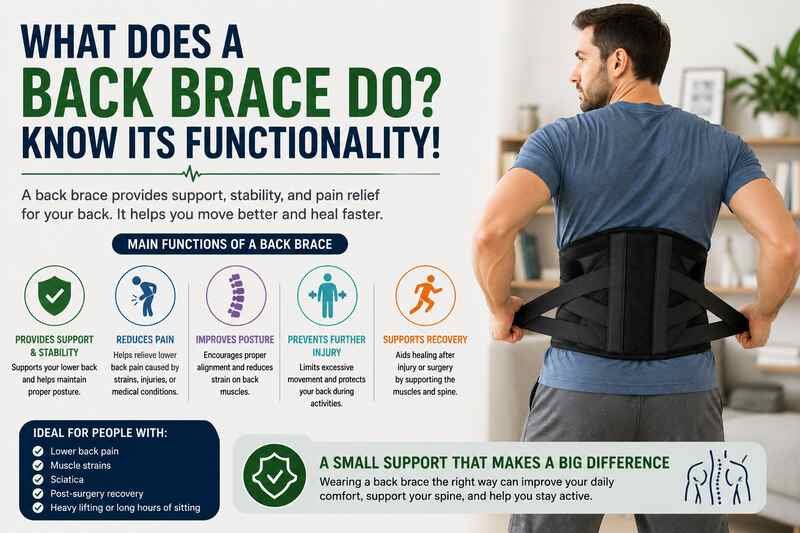

What does a back brace do that makes it such a common recommendation for pain relief? It supports your spine, corrects your posture, and limits painful movement while you heal. U.S. doctors recommend one for conditions ranging from muscle strain to post-surgical recovery. This guide breaks down exactly how it works, when to use one, and what drawbacks to watch for.
Key Takeaways
- A supportive device stabilizes the spine, shifts stress to the abdomen, and limits harmful movement.
- Different styles serve different purposes, from fracture support to posture correction.
- Most people should wear one for a few hours a day, not continuously.
- Overuse can weaken your core muscles and create dependence on the device.
- Always follow your doctor’s guidance on style and wear schedule.
What Does a Back Brace Do?
This orthotic device supports your spine from the outside. It reduces stress on the vertebrae and surrounding muscles. It also limits excessive twisting and forward bending, which are common causes of pain and re-injury.
The exact answer to what does a back brace do depends on the specific style. Some designs focus on limiting motion after an injury. Others focus on correcting posture during long hours at a desk. Understanding these differences helps you pick the right option for your situation.
Types of Support Devices and Their Functions
Each style targets a slightly different problem. Knowing the differences makes it easier to understand what does a back brace do for your specific condition.
Hyperextension Style
This style targets the point where the lumbar spine meets the thoracic spine, an area prone to compression fractures. Three pads press against your chest, abdomen, and pubic bone. This reduces forward movement and lowers the risk of further compression injury.
Rigid Style
This design uses stiff panels that wrap around the torso, sometimes extending to the sides. It limits forward spinal movement by roughly 50 to 70 percent. It also shifts weight from the spine to the abdomen through firm compression.
Flexible Style
This option restricts forward bending without the rigidity of a hard-shell design. It wraps around your torso and redistributes some spinal weight to your abdomen. Many people find this style more comfortable for all-day wear.
Corset Style
This lightweight option is made mostly of fabric. Orthotists can add or remove rigid metal stays depending on your condition. This style often supports recovery after lumbar spine surgery or helps manage pain from degenerative disc disease.
Sacroiliac and Lumbosacral Designs
These options target the joints and area where the spine meets the pelvis. A sacroiliac version limits movement in joints that have lost stability from injury or aging. A lumbosacral version reduces stress specifically around the lumbar spine.
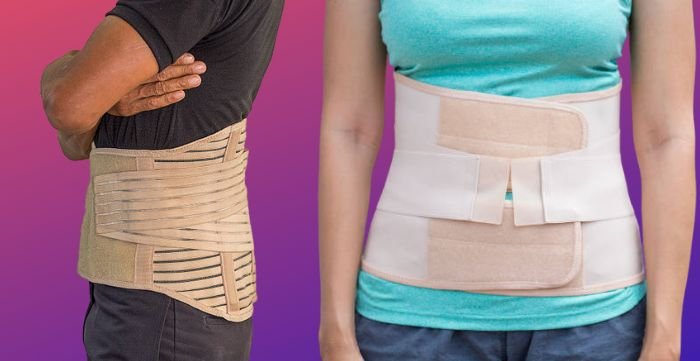

How This Support Helps Spinal Health
Understanding the mechanism behind this kind of support helps explain what does a back brace do beyond simply holding you upright. It works through a few key actions on your body.
Spinal Support
After surgery or injury, the surrounding muscles often weaken temporarily. This device holds your spine and abdomen securely, giving those muscles a chance to recover without added strain.
Shifting Stress From the Spine
Your abdomen, not your spine, should carry most of your body’s central load. This support redistributes that stress toward your abdominal area. This shift straightens your posture and reduces pressure on painful vertebrae.
Restricting Harmful Movement
Twisting and bending often trigger pain during recovery. This device physically restricts these movements, which supports healing after surgery or injury. Over time, many wearers also become more conscious of these movements even without it.
Limiting Micro-Motion
Small, repetitive movements between joints, discs, and nerve roots can cause ongoing pain. This support firmly limits that micro-motion, which helps calm irritated tissue during the healing process.
Watch How This Support Works
Watch this explanation of when this kind of support helps and which situations call for it.
These five rules apply to nearly every style discussed in this guide, whether you are managing a fresh injury or ongoing chronic pain.
When Should You Use One?
Understanding what does a back brace do naturally raises the question of when you actually need one. A doctor should confirm this kind of support is appropriate before you start. Common reasons include the following.
- Chronic pain in the lower back
- Disc degeneration
- Spinal injury
- Scoliosis
- Muscle weakness following surgery
- Acute strain from lifting or overuse
Certain diagnosed medical conditions also call for this kind of support as part of a broader treatment plan, including osteoarthritis, spondylolysis, facet syndrome, spinal stenosis, and a herniated lumbar disc. According to Spine-Health, it works best as one part of a treatment plan rather than a standalone fix for chronic pain.
How Long Should You Wear It
This device only helps when you wear it for the right amount of time. Too little wear will not provide enough support. Too much wear can create new problems.
Most doctors recommend wearing it for one to two hours during specific activities that aggravate your pain. More serious or post-surgical conditions may call for five to six hours of daily wear. Your doctor will typically confirm your spinal condition with imaging before setting a specific schedule.


Drawbacks to Know Before You Start
This kind of support offers real benefits, but it also carries some downsides worth knowing before you start using it regularly.
Muscle Weakness Over Time
Long-term use can lead to muscle atrophy in the areas the device supports. Muscles that rely on external support for too long gradually lose strength. This is a major reason doctors set strict wear-time limits.
Dependence on the Device
After wearing it for a prolonged period, you may notice discomfort once you take it off. Your spine has grown used to the added support. Removing it too suddenly can bring symptoms back that had improved.
Shifting of Stress to Other Areas
This device redirects stress from your spine to your abdomen, but that shift does not always stay contained. In some cases, the added pressure can strain muscles or ligaments elsewhere in the body.
Materials and Comfort Features to Look For
The fabric and structure of a support device affect how comfortably you can wear it for hours at a time. Breathable mesh panels reduce sweating and skin irritation during warmer months or long shifts on your feet. Adjustable straps let you fine-tune compression as swelling or discomfort changes throughout the day.
Removable metal or plastic stays give some options flexibility for different stages of recovery. A softer, more flexible design might suit early healing, while firmer stays can be swapped in as your provider allows more activity. Checking these features before buying helps you land on something you will actually wear consistently, since comfort plays a huge role in whether people stick with a recovery routine.
Common Myths Worth Addressing
Myth: A Stronger Design Always Works Better
More rigidity is not automatically better. An overly restrictive option for a mild strain can cause unnecessary muscle weakness, while something too flexible for a serious injury will not provide enough support. Matching the design to your specific diagnosis matters more than choosing the strongest option on the shelf.
Myth: Wearing It All Day Speeds Up Results
Constant use does not speed up healing. It often works against you by weakening the muscles it is meant to support. Following your doctor’s specific time limits produces better long-term results than maximizing daily wear time.
Myth: Any Style Works for Any Type of Pain
Pain has many different causes, and each style targets a different mechanism. An option built for posture correction will not provide the same support as one designed for post-surgical recovery. Getting an accurate diagnosis first ensures you choose something that actually addresses your specific problem.
Other Support Options Worth Considering
An external support device is not the only tool available for lower back pain. Supportive footwear, ergonomic changes, and targeted exercise all play a role in a complete recovery plan. Our guide to the best shoes for lower back pain covers how footwear choices affect spinal alignment throughout the day.
A massage tool can also complement this kind of support by relaxing tense muscles around the spine after you take it off. Our handheld back massager guide covers options that pair well with a bracing routine.
Choosing the Right One for Your Needs
Picking the right option comes down to matching the device to your specific diagnosis, not just picking the sturdiest choice available. A mild strain may only need a flexible or corset-style option. A more serious injury or post-surgical recovery often calls for a rigid design with stronger restriction. Our back brace comparison guide breaks down specific models by support level and comfort. Once you have chosen one, our guide on how to properly wear a back brace covers the exact fitting steps for getting the most benefit from it.
Our back brace comparison and reviews also compares these styles side by side if you are still deciding which one fits your situation.
Frequently Asked Questions
What does a back brace do for chronic lower back pain specifically?
It reduces stress on the spine, limits painful movement, and supports better posture, all of which can ease chronic discomfort when used as your doctor recommends.
How tight should it be?
Snug enough to feel supportive without causing pain. If tightening it ever causes discomfort, consult your doctor about readjusting the fit.
Can I lie down while wearing one?
Briefly, yes, but these devices are designed to support movement, not rest. Wearing one for long periods while lying still is not its intended purpose.
Is it safe to use one without a doctor’s guidance?
No. Using one without a proper diagnosis can worsen your condition instead of helping it.
Does it cure pain permanently?
No. It manages symptoms and supports healing, but it does not replace treatment for the underlying cause of your pain.
Can wearing one too long cause harm?
Yes. Extended, continuous wear can weaken your muscles and create dependence, which is why doctors set specific time limits.
Can I exercise while wearing one?
Light activity is often fine with a doctor’s approval, but this kind of support is generally meant for specific tasks rather than intense exercise sessions.
How do I know which type I need?
Your doctor or physical therapist can recommend a specific style based on your diagnosis, since different designs target different spinal problems.
Bottom Line
So, what does a back brace do overall? It supports your spine, shifts stress away from injured tissue, and restricts movements that could slow your healing. Choosing the right style and following your doctor’s wear-time guidance are the two biggest factors in getting real relief. Used correctly, it can be a valuable part of your recovery plan without becoming a long-term crutch.


Hi, I’m Mamon, the content creator behind this blog. I share my experience in blogging, WordPress, SEO, and affiliate marketing through honest product reviews, in-depth buying guides, and practical how-to articles. Every piece of content is thoroughly researched and written to help readers make informed decisions.