

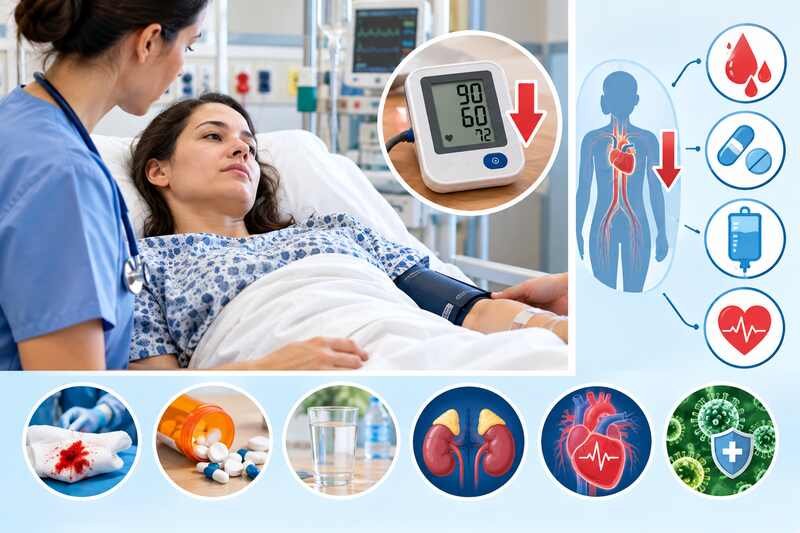

Blood pressure naturally shifts during and after any procedure that involves anesthesia, blood loss, or fluid changes. A temporary drop usually resolves on its own or with simple monitoring. In some cases, it signals something that needs prompt medical attention. Knowing the difference is what this article is here to help with.
Key Takeaways
- Normal blood pressure generally falls below 120/80 mmHg, while readings under 90/60 mmHg are classified as low (hypotension)
- Anesthesia, sepsis, hypovolemic shock, and internal bleeding are the most common causes of low blood pressure after surgery
- A study of over 316,000 surgical patients found that low blood pressure during surgery was linked to a higher risk of postoperative delirium
- Most post-surgical hypotension resolves with monitoring and fluids, but symptoms like confusion, cold clammy skin, or a weak rapid pulse need urgent care
What Causes Low Blood Pressure After Surgery?
Before going in depth, it helps to define what counts as low blood pressure. A normal reading generally falls below 120/80 mmHg. Blood pressure is considered low, or hypotensive, once it drops below roughly 90/60 mmHg. Clinicians also watch mean arterial pressure, or MAP. A MAP below 65 mmHg during or after surgery is one of the thresholds used to flag a patient for closer monitoring.
When blood pressure drops too low, the brain, heart, kidneys, and other organs stop receiving the blood flow and oxygen they need. Left unaddressed, that can eventually lead to organ damage. Below are the main reasons some people experience low blood pressure after surgery, and what typically happens once each one is identified.

Anesthesia
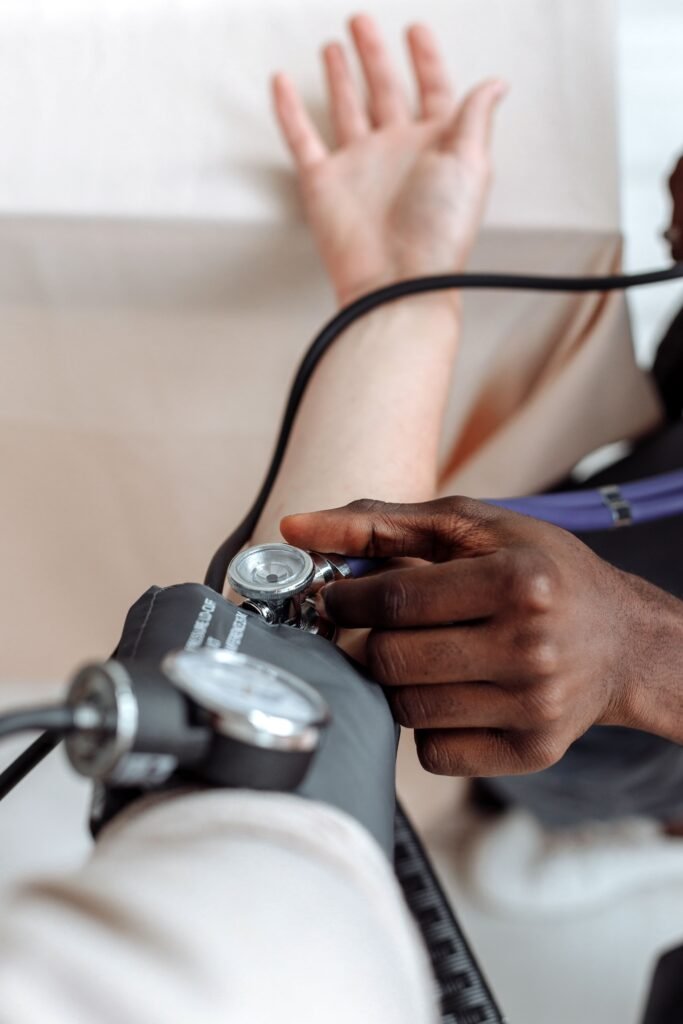
Anesthesia is one of the most frequent causes of low blood pressure after surgery. Anesthetic drugs are the medications used to keep patients unconscious and pain-free during an operation. They can affect blood pressure both during the procedure and in the hours immediately after. Many of these drugs cause a mild to moderate reduction in systemic vascular resistance. That’s the tension in blood vessel walls that helps keep pressure up, and reducing it lowers arterial blood pressure.
This isn’t just a passing inconvenience. A study of 316,717 surgical patients, published through the American Society of Anesthesiologists, found that low blood pressure during surgery significantly raised the risk of postoperative delirium. Among the 2,183 patients diagnosed with delirium within 30 days of their procedure, 41.7 percent had experienced a mean arterial pressure below 55 mmHg for under 15 minutes during surgery, and another 2.6 percent had experienced it for longer than 15 minutes. Overall, intraoperative hypotension made patients up to 60 percent more likely to develop delirium afterward, with the effect growing stronger in longer surgeries.
Dr. Matthias Eikermann is the study’s senior author and chair of anesthesiology at Montefiore Medical Center. He put it plainly: “Our research suggests rapidly addressing low blood pressure during surgery may prevent delirium and help with recovery.” Low blood pressure lowers the supply of oxygen and glucose to the brain. Researchers believe that’s the mechanism driving the added delirium risk.
That’s exactly why anesthesiologists watch blood pressure so closely throughout a procedure. When a real drop shows up, the care team responds with IV fluids or medication to bring pressure back up before it affects the brain or other organs.

Sepsis
Sepsis is the body’s extreme, damaging response to an infection, whether bacterial, fungal, or viral. It’s a genuine emergency. The CDC reports that roughly 1.7 million adults in the United States develop sepsis each year. At least 1 in 5 of those adults die during hospitalization or are discharged to hospice, which works out to at least 350,000 deaths annually.
During sepsis, small blood vessel walls become abnormally permeable. Fluid leaks into surrounding tissue instead of staying in circulation. That drop in circulating volume is what pushes blood pressure dangerously low, a stage known as septic shock. Recognizable warning signs include clammy or sweaty skin, confusion or disorientation, a high heart rate or weak pulse, fever or shivering, and shortness of breath.
Patients recovering from surgery in a hospital setting are more susceptible to infections that can progress to sepsis. That’s one reason care teams monitor incisions and vital signs closely after an operation. Treatment typically means antibiotics, IV fluids, and close observation, along with vasopressor medications that help constrict blood vessels and raise blood pressure back to a safe range. Caught early, most patients recover. Left untreated, sepsis can progress to organ failure.
Hypovolemic Shock
Hypovolemic shock happens when the body loses a significant amount of blood or fluid. This can come from bleeding during the operation itself or from dehydration during recovery. With less volume circulating, the heart can’t deliver enough blood to the organs quickly enough, and blood pressure falls as a direct result. It’s one of the more dramatic examples of what causes low blood pressure after surgery, since the drop can happen within minutes rather than building up gradually.
Because hypovolemic shock is a medical emergency, treatment happens in a hospital setting. The goal is to restore lost blood and fluids as quickly as possible, through IV fluids or blood transfusions, before the drop in circulation causes lasting harm to vital organs. How quickly a patient stabilizes depends heavily on how much volume was lost and how fast the loss is identified.
Internal Bleeding
Some patients experience ongoing, harder-to-spot blood loss after surgery in the form of internal bleeding. This can produce a pattern called orthostatic hypotension, where blood pressure drops noticeably when a person moves from lying or sitting to standing. Classic signs include lightheadedness, dizziness, or brief vision changes right after standing up.
Identifying internal bleeding usually requires a physical exam, a review of the patient’s vital signs and surgical history, and often imaging or lab testing. These help pinpoint the source of bleeding and how significant it is. Depending on the findings, treatment can range from close monitoring to a return trip to the operating room.
Other Contributing Factors
A handful of less common issues round out the list of causes. Reactions to blood transfusions can trigger a rapid drop in blood pressure and require immediate intervention. Hemolysis, the breakdown of red blood cells, can be triggered by the irrigation fluid used during certain procedures like transurethral resection of the prostate. Gradual blood loss that builds up over the course of a long surgery, even without a single dramatic bleeding event, can also add up to a meaningful drop by the time the procedure ends. Your surgical team accounts for all of these possibilities when deciding how closely to monitor you afterward and for how long. Taken together, these mechanical, infectious, and volume-related issues are the clinical answers to what causes low blood pressure after surgery in the vast majority of cases seen in recovery units.
What Happens if Low Blood Pressure Is Left Untreated?

Low blood pressure is often treated as less serious than high blood pressure, but that’s a misconception. Both conditions carry real risks. Hypotension left unaddressed can lead to kidney damage, cardiac arrest, stroke, and in severe cases, death. This is exactly why understanding what causes low blood pressure after surgery, and catching it early, matters so much during recovery.

Without enough blood flow, the body’s organs are starved of oxygen and nutrients. When blood pressure falls far enough, the body can enter a state of shock, which requires immediate medical care. Warning signs of shock include pale or bluish skin, rapid and shallow breathing, cold and clammy skin, and a weak, rapid pulse. If you or someone you’re caring for shows these signs during recovery, it’s worth contacting your care team right away rather than waiting to see if it passes on its own.
How Long Does Post-Surgical Low Blood Pressure Usually Last?
There’s no single answer, because what causes low blood pressure after surgery varies so much from patient to patient, and so does how long it takes to resolve. Hypotension related to anesthesia typically eases within a few hours as the drugs wear off and normal vascular tone returns. Cases tied to blood loss or dehydration usually resolve once fluids or blood products are replaced, which can happen within hours in a hospital setting. Hypotension driven by sepsis or ongoing internal bleeding takes longer to resolve, because the underlying problem has to be brought under control first, not just the blood pressure reading itself.
This is part of why care teams don’t treat every low reading the same way. A single low number taken right after anesthesia wears off is a very different situation from a reading that stays low, or keeps dropping, over several hours.


How to Manage and Prevent Complications From Post-Surgical Low Blood Pressure
Now that you know what causes low blood pressure after surgery, a few practical habits can help you manage it safely during recovery. Be upfront with your physician and care team about any dizziness, lightheadedness, or unusual symptoms as you heal. Changes in how you feel can be an early signal that something needs attention.
A few general strategies often help with mild, non-emergency dips in blood pressure during recovery. Stand up slowly rather than all at once, since sudden position changes are a common trigger for dizziness. Avoid caffeine and alcohol, since both can worsen dehydration. Eat smaller, more frequent meals instead of large ones, and drink enough fluids throughout the day. Some patients are advised to increase their salt intake temporarily, but that should only be done with a physician’s guidance, since it isn’t appropriate for everyone, particularly those with existing heart or kidney conditions.
Keeping track of your blood pressure at home during recovery can also help you and your doctor spot patterns early, before a mild dip turns into a bigger problem. And if you’re noticing that pain itself seems to be affecting your readings, our article on how pain affects blood pressure and heart rate explains what’s happening physiologically.
When to Seek Emergency Care
Most post-surgical dips in blood pressure are mild and resolve with monitoring, rest, and fluids. Certain symptoms cross the line from “keep an eye on it” to “seek care now.” Contact your surgical team or go to an emergency room if you experience fainting or near-fainting, confusion or sudden disorientation, or chest pain. The same goes for a rapid or irregular heartbeat, cold and clammy skin, or breathing that feels shallow or labored.
Not every post-operative symptom is about blood pressure specifically, so it helps to stay alert to the broader signs of complications after surgery in general, not just hypotension. Your body is recovering from significant physical stress on multiple fronts at once, and several of these systems can show trouble around the same time. When in doubt, it’s always better to call your care team than to wait and hope it passes.
Conclusion
So, what causes low blood pressure after surgery? In most cases, it comes down to anesthesia, blood or fluid loss, sepsis, or internal bleeding. Each of these has its own mechanism and its own treatment path. Most dips are temporary and respond well to monitoring, IV fluids, or medication. The cases that matter most are the ones accompanied by real warning signs, like confusion, cold clammy skin, or a weak rapid pulse, which call for prompt medical attention rather than a wait-and-see approach.
Being honest with your care team about how you’re feeling during recovery is one of the simplest things you can do to stay safe. Health and overall well-being should be the top priority as you heal. Knowing what’s normal versus what needs attention makes that recovery a lot less stressful for everyone involved.


Hi, I’m Mamon, the content creator behind this blog. I share my experience in blogging, WordPress, SEO, and affiliate marketing through honest product reviews, in-depth buying guides, and practical how-to articles. Every piece of content is thoroughly researched and written to help readers make informed decisions.