

You no longer need a prescription to wear a glucose sensor. Since 2024, the FDA has cleared several over-the-counter CGM systems for adults who do not use insulin. The two best known are Dexcom Stelo and Abbott Lingo. This guide compares them with each other and with a traditional finger-stick glucose meter. You will learn what each one does, what it costs, who it is for, and who should skip it.

Medical note: This article is for general information only and is not medical advice. Talk with your doctor before using glucose data to change your diet, exercise, or medication.
Key Takeaways
- The FDA cleared Dexcom Stelo, the first over-the-counter CGM, on March 5, 2024. Abbott’s Lingo and Libre Rio were cleared on June 10, 2024.
- Stelo sensors last 15 days. Lingo sensors last up to 14 days.
- Stelo costs $99 for two sensors, or $89 per month with a subscription. Lingo’s 2-week plan costs $54.
- These devices are for adults 18 and older who do not use insulin. They are not for people prone to low blood sugar.
- Stelo does not give real-time high or low glucose alerts.
- A finger-stick meter is still the cheapest way to check your blood sugar at a single moment.
What Is an Over-the-Counter CGM?
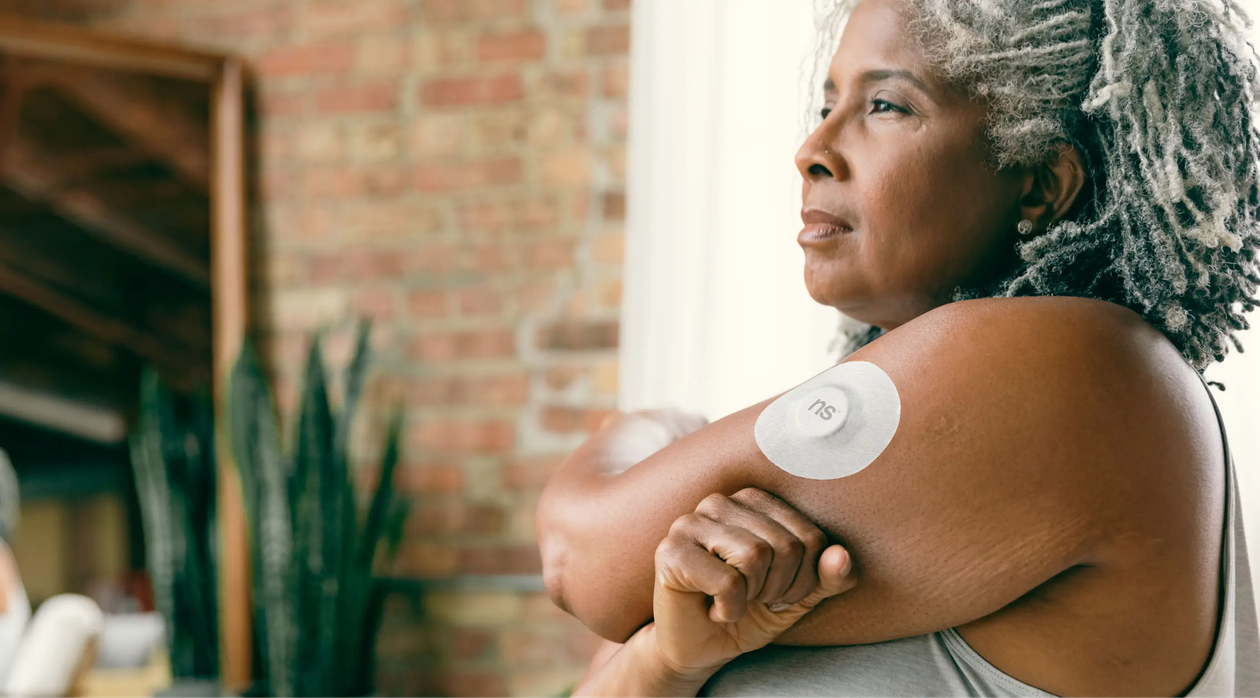
A continuous glucose monitor, or CGM, is a small sensor you wear on the back of your upper arm. A thin filament sits just under the skin. It measures glucose in the fluid between your cells and sends readings to a phone app.
Until 2024, every CGM in the U.S. required a prescription. Those prescription models, such as the Dexcom G7, are built for people who manage diabetes with insulin. An over-the-counter CGM is a simpler version you can buy online without a doctor’s order.
The goal is different too. An over-the-counter CGM helps you see how food, exercise, sleep, and stress affect your glucose. It is a tool for learning and lifestyle change, not for dosing insulin.
Why So Many People Are Interested
Blood sugar problems are common and often hidden. According to the CDC, 115.2 million Americans have prediabetes. Yet 8 in 10 adults with prediabetes do not know they have it.
An over-the-counter CGM cannot diagnose prediabetes or diabetes. Only a doctor can do that with proper lab tests. But seeing your own patterns may prompt you to ask your doctor about testing. It can also help you follow a plan your care team gives you.
Over-the-Counter CGM Comparison Table
| Feature | Dexcom Stelo | Abbott Lingo | Finger-Stick Meter |
|---|---|---|---|
| FDA clearance | March 5, 2024 | June 10, 2024 | Long available |
| Prescription needed | No | No | No |
| Wear time | 15 days per sensor | Up to 14 days per sensor | Not worn |
| Readings | Automatic, every 15 minutes | Automatic, continuous | One reading per finger prick |
| High or low alerts | No real-time alerts | Check current app features | None |
| Price | $99 for 2 sensors, or $89 per month subscription | $54 for a 2-week plan | Low meter cost, ongoing strip cost |
| Best for | Adults with type 2 diabetes not on insulin, or prediabetes | Wellness-focused adults not on insulin | Spot checks and confirming readings |
Prices come from each brand’s website and can change. Both Stelo and Lingo are HSA and FSA eligible, according to their makers.
Dexcom Stelo: Details
Stelo was the first over-the-counter CGM cleared by the FDA. It is made by Dexcom, a leading prescription CGM maker. According to the Association of Diabetes Care & Education Specialists, Stelo differs from the prescription Dexcom G7 in several ways:
- Wear time: 15 days, plus a 12-hour grace period. The G7 lasts 10 days.
- Reading interval: Every 15 minutes. The G7 reads every 5 minutes.
- Glucose range: 70 to 250 mg/dL. The G7 reads from 40 to 400 mg/dL.
- Alerts: Stelo does not provide real-time alerts or alarms for high or low glucose.
- Integration: Stelo does not connect to insulin pumps or smart pens.
Stelo is intended for adults 18 and older who do not use insulin and do not have problematic hypoglycemia. That includes people with type 2 diabetes on oral medication, people with prediabetes, and people without diabetes.
On price, Stelo’s website lists an $89 monthly subscription, reduced from $99. The company also notes that about 77.9% of sensors last the full 15 days.
Abbott Lingo: Details
Abbott is the maker of the FreeStyle Libre, one of the most widely used prescription CGMs. In June 2024, the FDA cleared two new Abbott over-the-counter CGM systems: Lingo and Libre Rio.
Lingo is aimed at general health and wellness. Abbott says the sensor can be worn for 14 days. The app offers personalized insights and coaching to help build healthier eating habits. Lingo’s website lists a 2-week plan at $54 with no commitment. It is for adults 18 and older who are not taking insulin.
Lingo’s maker is clear that it is not intended to diagnose any disease, including diabetes. Results also vary from person to person.
Libre Rio is a separate over-the-counter CGM. It is for adults with type 2 diabetes who do not use insulin and manage their condition with lifestyle changes. Check Abbott’s website for current availability.

What About a Traditional Glucose Meter?
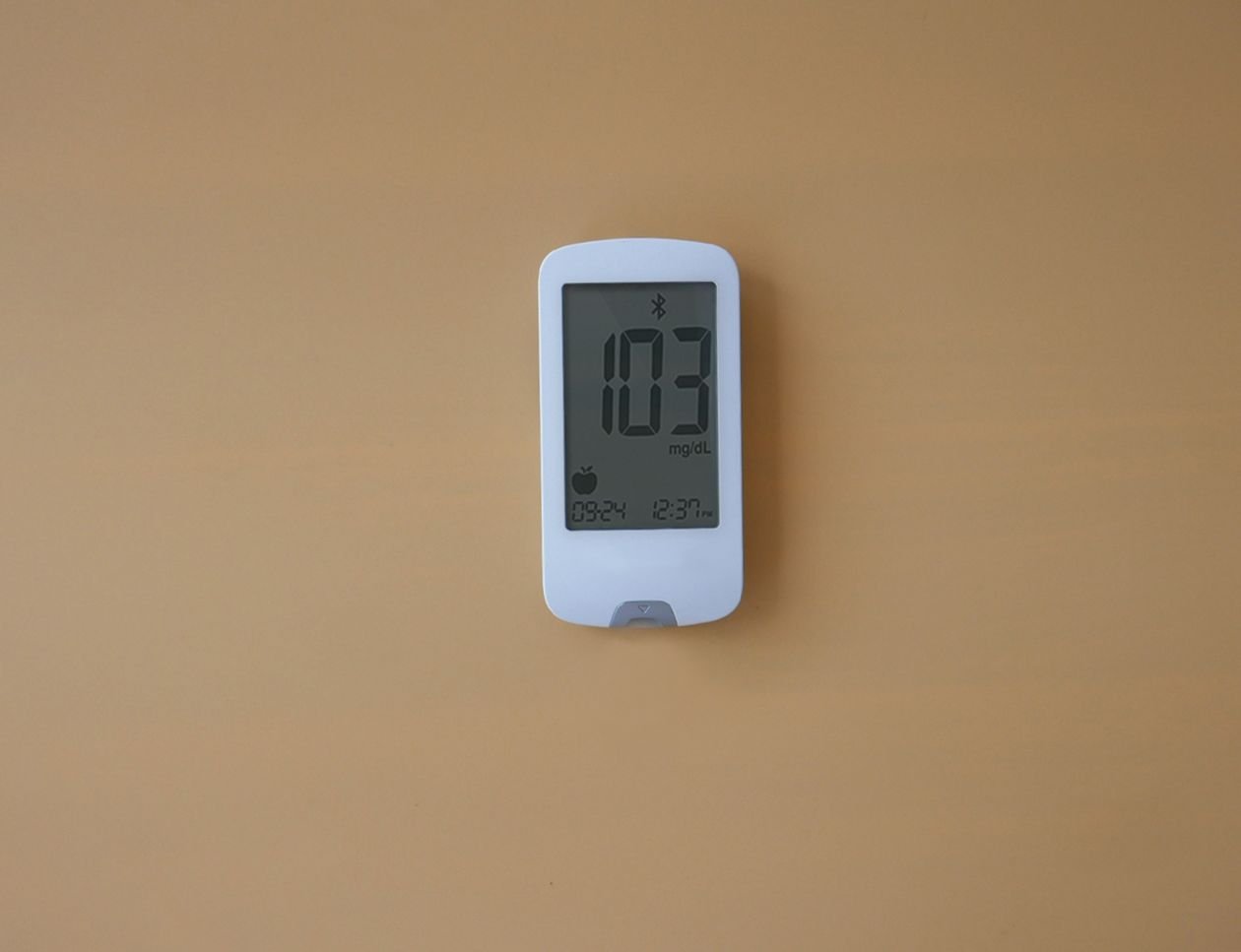
A finger-stick glucose meter, or glucometer, measures the glucose in a drop of blood. You prick your finger with a lancet, place blood on a test strip, and read the number.
A meter has some real advantages:
- Low upfront cost. Meters are widely sold at pharmacies without a prescription.
- Measures blood directly. A CGM measures fluid under the skin, which can lag behind blood glucose when levels change fast.
- Good for spot checks. It is the standard way to confirm a reading that seems off.
The downside is that you only see single moments. You can miss spikes after meals or overnight patterns unless you test often. Test strips are also an ongoing cost.
Over-the-Counter CGM vs Glucose Meter: Which Should You Choose?
Choose an Over-the-Counter CGM If You:
- Want to see how meals, exercise, and sleep affect your glucose around the clock.
- Have prediabetes or type 2 diabetes and do not use insulin.
- Prefer fewer finger pricks.
- Are working on lifestyle changes with your doctor and want feedback.
Choose a Finger-Stick Meter If You:
- Only need occasional checks.
- Want the lowest ongoing cost.
- Need to confirm a CGM reading or check glucose when you feel unwell.
Talk to Your Doctor About a Prescription CGM If You:
- Use insulin.
- Have had low blood sugar episodes.
- Need alerts for highs and lows.
Who Should Not Use an Over-the-Counter CGM
These devices have clear limits. According to the makers and the FDA clearance details, an over-the-counter CGM is not for:
- People who use insulin.
- People with problematic hypoglycemia, or frequent low blood sugar.
- Anyone under 18.
- Making medication changes without talking to a doctor.
Stelo’s maker also states that the device should not guide medical decisions without a healthcare provider. If you feel shaky, sweaty, or confused, do not rely on an app. Check with a meter and seek care as needed.
How to Get the Most From Your Sensor
- Apply it correctly. Follow the app’s instructions and place the sensor on the back of your upper arm.
- Log meals and activity. Patterns make sense only when you know what you ate and did.
- Look at trends, not single numbers. A short spike after a meal is normal. Repeated high patterns are worth discussing with your doctor.
- Try simple experiments. For example, compare your glucose after a meal with and without a short walk.
- Share data with your care team. Your doctor can help you read the results in context.
Walking after meals is an easy habit to test. If you walk indoors, our guide to the best treadmill for walking can help you choose one.
Common Mistakes to Avoid
- Reacting to every spike. Glucose rises after most meals. Focus on repeated patterns instead of single readings.
- Changing medication on your own. Never adjust diabetes medicine based on sensor data without your doctor.
- Ignoring symptoms. If you feel unwell, check with a finger-stick meter and get care. Do not wait for the app.
- Placing the sensor in the wrong spot. Follow the maker’s placement guide, usually the back of the upper arm.
- Skipping the log. Without notes on food and activity, the data is hard to use.
- Comparing yourself to others. Glucose responses vary from person to person, as Abbott notes for Lingo.
Is an Over-the-Counter CGM Worth the Cost?
At $89 to $99 a month for Stelo, or $54 per two weeks for Lingo, costs add up quickly. Some people wear a sensor for a month or two to learn their patterns. After that, they stop or use one now and then.
That approach can make sense for learning. If you need ongoing monitoring for diabetes, ask your doctor whether a prescription CGM is covered by your insurance. It may cost less over time and offer more features.
Pair Glucose Tracking With Other Home Health Tools
Blood sugar is only one part of metabolic health. Blood pressure and body weight matter too. You may also find these guides helpful:
- Our professional blood pressure monitor reviews.
- Our accurate bathroom scale review.
- Our guide on the best exercise machine for weight loss.
Frequently Asked Questions
Can I buy a CGM without a prescription?
Yes. Since 2024, the FDA has cleared over-the-counter CGM systems, including Dexcom Stelo and Abbott Lingo. They are sold online to adults 18 and older who do not use insulin.
Which is better, Stelo or Lingo?
It depends on your goal. Stelo is built by a diabetes device maker and suits people with prediabetes or type 2 diabetes not on insulin. Lingo focuses on general wellness and coaching. Compare wear time, price, and app features.
Is an over-the-counter CGM accurate?
These devices are FDA-cleared for their intended use. However, CGMs measure fluid under the skin, so readings can lag behind a finger-stick test when glucose changes quickly. Confirm unusual readings with a meter.
Does an over-the-counter CGM alert me to low blood sugar?
Stelo does not give real-time high or low alerts. That is one reason these devices are not for people prone to hypoglycemia.
Can I use an over-the-counter CGM if I do not have diabetes?
Yes. Both Stelo and Lingo can be used by adults without diabetes who want to understand their glucose. They are not meant to diagnose disease.
Final Thoughts
An over-the-counter CGM gives you a window into your glucose that used to require a prescription. Dexcom Stelo is a strong choice for adults with prediabetes or type 2 diabetes who do not use insulin. Abbott Lingo is geared toward wellness and healthy habits. A finger-stick meter remains the low-cost option for spot checks.
Whichever you choose, use it as a learning tool and share your results with your doctor. If you use insulin or have low blood sugar episodes, ask about a prescription CGM instead.


Hi, I’m Mamon, the content creator behind this blog. I share my experience in blogging, WordPress, SEO, and affiliate marketing through honest product reviews, in-depth buying guides, and practical how-to articles. Every piece of content is thoroughly researched and written to help readers make informed decisions.