

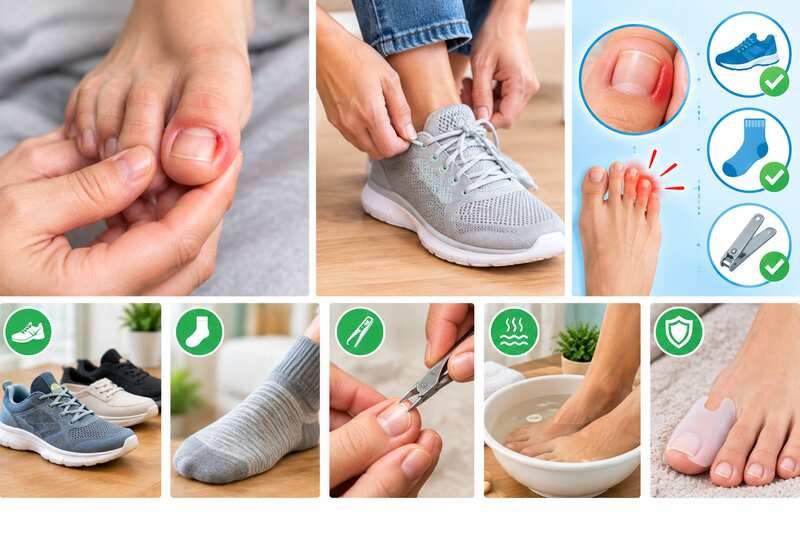

Toenail pain can make every step feel harder than it should, and shoes are very often the reason why. If you’re looking for how to relieve toenail pain from shoes, the good news is that most cases trace back to a handful of fixable habits. Nails trimmed the wrong way, shoes that crowd the toes, and footwear that never gets broken in gradually all play a role. According to the Cleveland Clinic, roughly 2 in 10 people who see a healthcare provider for a foot problem are dealing with an ingrown toenail. Tight or ill-fitting shoes are one of the most common triggers behind that number.
Wearing comfortable, correctly sized shoes is about more than comfort alone; it’s a real health decision. Shoes that squeeze the toes or press down on the nail bed can lead to ingrown toenails. These develop when the edge of the nail grows into the surrounding skin, and left untreated, the area can become infected, swollen, and increasingly painful.
Understanding how footwear affects your feet is the first step toward lasting toenail pain relief. Research published by the American Academy of Family Physicians notes that ingrown toenails account for about 20% of the foot problems primary care doctors see. Improper nail trimming and tight footwear are the two most common contributing factors behind that figure. Choosing the right shoes, and knowing how to relieve toenail pain from shoes when it flares up, can spare you a lot of unnecessary discomfort.
Key Takeaways
- Ingrown toenails make up about 1 in 5 foot complaints seen in primary care
- Tight, narrow, or poorly broken-in shoes are among the most common triggers
- Trimming nails straight across lowers your risk significantly
- Most mild cases improve with home care within a couple of weeks
- Persistent pain, swelling, or drainage calls for a podiatrist, especially with diabetes
Understanding Toenail Pain: Causes and Symptoms
Toenail pain can get in the way of an entire day. Knowing what typically causes it, and recognizing the early warning signs, makes it much easier to step in before things get worse. It also makes it easier to tell an ordinary sore spot apart from something that actually needs medical attention.

Common Causes of Toenail Discomfort
Ingrown toenails usually come down to a small number of repeat offenders. Your risk goes up with certain habits and conditions:
- Cutting nails too short or rounding the corners instead of trimming straight across
- Wearing shoes that are tight, narrow, or too short in the toe box
- A genetic tendency toward curved or wide nail beds
- Repeated trauma from sports, running, or stubbing a toe
- Excess moisture and pressure from shoes worn for long stretches, especially during adolescence
Recognizing Pain Symptoms
Toenail inflammation tends to show up gradually before it becomes obvious. Watch for these early signs that something is wrong:
- Redness along one or both edges of the nail
- Swelling and tenderness when you press on the toe
- Sharp pain when a shoe touches the area, or a dull throb afterward
- Thickened or hardened skin building up around the nail fold
- Pus, drainage, or a foul odor, which usually signals infection
Impact of Ill-fitting Shoes
What you put on your feet matters more than most people realize. Shoes that are too tight, too narrow, or simply the wrong shape can press the nail into the surrounding skin. That pressure is often enough to set an ingrown toenail in motion, and it’s a particular concern for teenagers, athletes, and anyone with diabetes or reduced circulation.
Proper shoe selection isn’t just about comfort. It plays a direct role in protecting your long-term foot health.
Recognizing these causes and symptoms early gives you the best chance to head off toenail pain before it turns into something more serious.
How to Relieve Toenail Pain from Shoes
Toenail pain can turn ordinary walking into a chore. It helps to know both how to relieve toenail pain from shoes in the moment and how to prevent it from coming back for good.
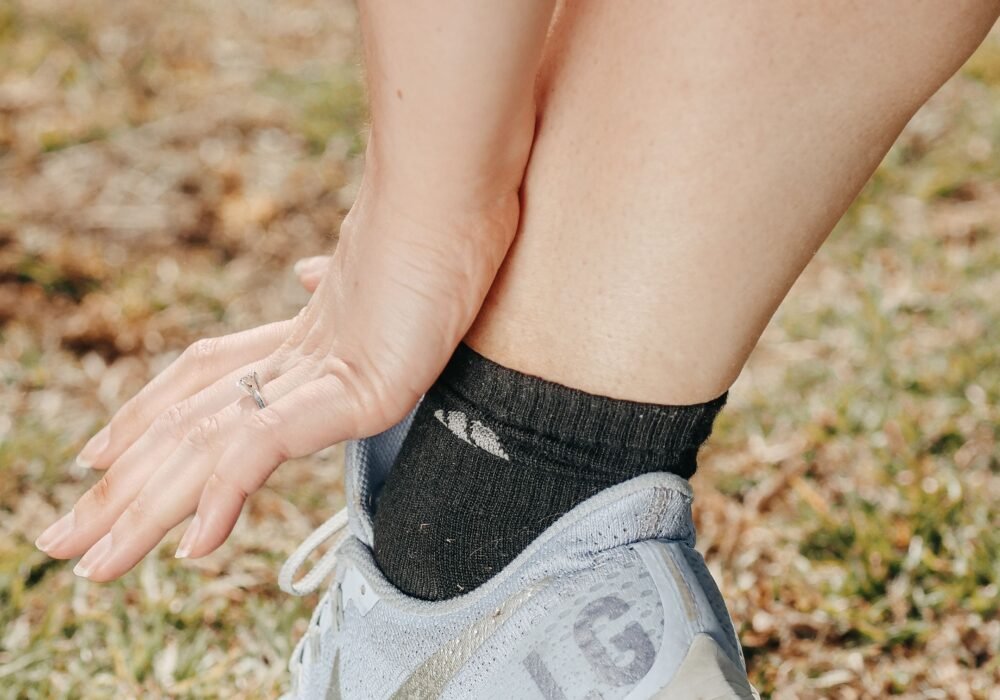

Shoe fit is consistently one of the biggest factors podiatrists point to when patients come in with sore or ingrown toenails. That’s exactly why prevention starts with the shoe rack rather than the medicine cabinet. The same fit principles carry over into guides like the best shoes for ankle support and the best shoes for lower back pain, both of which prioritize a roomy, well-cushioned toe box.
Proper Shoe Selection
Picking shoes that actually fit is the single most effective step toward avoiding toenail pain. A few things to check every time you shop:
- Leave about a thumb’s width of space between your longest toe and the end of the shoe
- Choose a wide toe box so your toes aren’t compressed side to side
- Skip anything that pinches, squeezes, or rubs across the top of your toes
- Look for solid arch support and enough cushioning to absorb everyday impact
- Shop for shoes later in the day, when feet are naturally at their largest
Cushioning Techniques
While you work on better shoe fit, these simple additions can take pressure off a sore toenail in the meantime:
- Silicone toe caps or sleeves to cushion sensitive spots
- Pressure-distributing insoles for shoes that otherwise fit well
- Moisture-wicking socks to cut down on friction and swelling
- Small gel pads placed around, not on top of, the sore nail
Preventive Measures
Consistent foot care habits lower your odds of dealing with toenail pain again:
- Trim toenails straight across and avoid rounding the corners
- Keep feet clean and dry to discourage bacterial and fungal growth
- Break in new shoes gradually instead of wearing them all day right away
- Rotate between two or more pairs so shoes have time to air out between wears
Persistent toenail pain that doesn’t improve within a couple of weeks may signal a deeper problem. When in doubt, a podiatrist can give you a proper diagnosis.
Combining better shoe fit with these prevention habits covers both sides of the problem. It addresses how to relieve toenail pain from shoes right now, and how to keep it from returning.
Professional Treatment Options and Medical Solutions
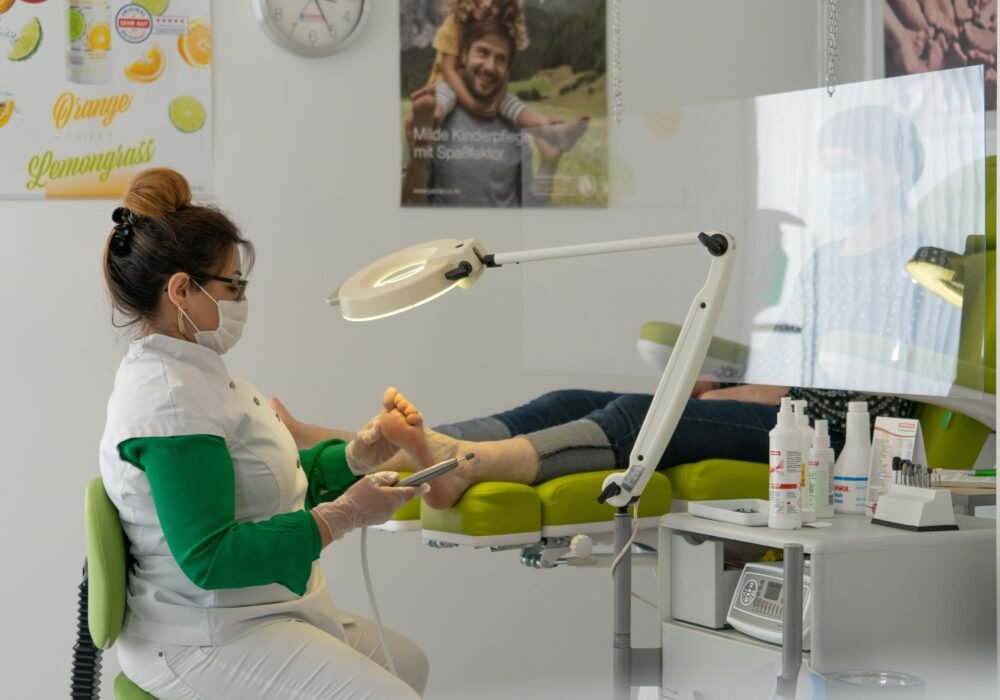

When home care doesn’t settle things down, a podiatrist visit is the next step. This is especially true for a toenail that keeps coming back or shows signs of spreading infection. The same goes for one that simply isn’t improving after a week or two of home treatment.
Medical treatment ranges from simple in-office fixes to a short outpatient procedure. A podiatrist will match the option to how severe the ingrown toenail actually is.
- Lifting the nail edge with a splint or packing to redirect its growth
- Partial nail removal for a toenail that keeps recurring
- Full nail removal in more severe or repeated cases
- Antibiotics, generally reserved for cases with a wider skin infection, since they don’t otherwise change the outcome
For toenails that keep returning, many podiatrists use a procedure called phenol matrixectomy. It removes a sliver of the nail and treats the underlying nail matrix, so that section of the nail stops growing back. Studies cited by the American Academy of Family Physicians report success rates above 95%, with recurrence in roughly 1% to 4% of cases. Some minor drainage is normal for the first two to three weeks. The nail typically finishes regrowing over the following two to twelve weeks, depending on the person.
Diabetes changes the calculus here. Nerve damage from diabetes can mask the pain of a worsening infection, so prompt professional care matters for any foot injury, including an ingrown toenail.
The American Diabetes Association specifically recommends against waiting to see if a foot injury improves on its own when diabetes is involved. Early treatment is what keeps a minor issue from becoming a serious one. Over-the-counter pain relievers can take the edge off in the meantime. A podiatrist is still the safest route to actually resolving a stubborn toenail problem.
Essential Foot Care Practices for Prevention
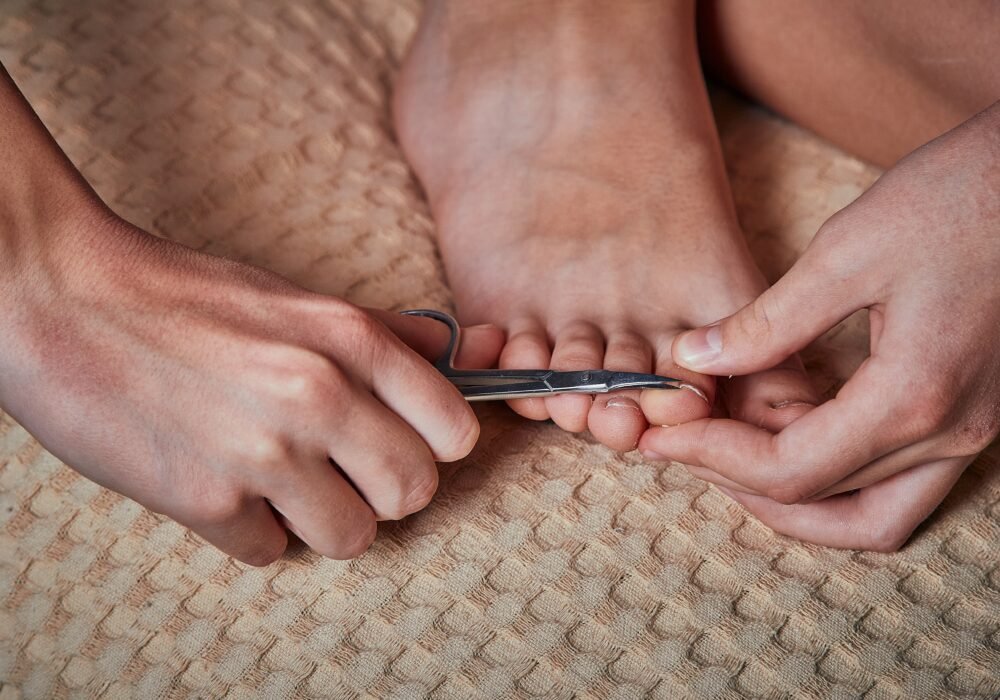

Healthy feet start with small daily habits, not occasional fixes. Since your feet carry your full body weight through every step of the day, a little consistent attention goes a long way.
Good foot hygiene comes down to managing moisture and friction. Excess sweat creates the damp environment that fungal infections like athlete’s foot need to take hold. Changing socks daily and choosing moisture-wicking fabrics helps keep that risk down, and it makes shoes more comfortable to wear for a full day.
For toenail care specifically, precision matters. Trim nails straight across with clean, sharp clippers, and don’t cut down into the corners chasing a rounded look. Leave a small amount of white nail visible at the tip rather than cutting flush with the skin. Checking your feet regularly, especially if you have diabetes or poor circulation, helps you catch a developing problem while it’s still minor.
It’s also worth thinking about footwear variety. Rotating between a couple of properly fitted pairs spreads out pressure points instead of stressing the same spot on the same toe day after day. One pair for exercise and one for everyday wear is enough to make a real difference. Good foot health is really about habits that stick: shoes that actually fit, nails trimmed the right way, and feet that stay clean and dry. Keep these up consistently and you’ll rarely need to think about how to relieve toenail pain from shoes again.
Frequently Asked Questions About How to Relieve Toenail Pain from Shoes
Q1: What’s the fastest way to ease toenail pain caused by tight shoes?
Switch into wider, properly fitting shoes right away, and soak the foot in warm water for 10 to 15 minutes once or twice a day. A small piece of cotton or dental floss gently tucked under the ingrown edge can also ease pressure while it heals. If you use a home foot spa for the soak, our guide on keeping a foot spa clean covers the basics of hygienic soaking.
Q2: How do I know if my shoes are actually too tight?
Check for less than a thumb’s width of space between your longest toe and the front of the shoe. Toes that feel squeezed together, or marks left on your skin after you take the shoe off, are also signs. Any of these mean it’s time for a different size or width.
Q3: Can an ingrown toenail heal without seeing a doctor?
Mild cases often improve with home care, including better-fitting shoes, warm soaks, and careful trimming. See a podiatrist if the pain worsens, pus develops, or there’s no improvement after a week or two of consistent home care.
Q4: Why do ingrown toenails keep coming back in the same spot?
Recurring ingrown toenails are usually tied to nail shape, ongoing pressure from footwear, or trimming habits that never fully changed. A phenol matrixectomy addresses this directly by treating the nail matrix so that section of nail stops regrowing into the skin.
Q5: Do certain shoe types cause more toenail problems than others?
Yes. Narrow dress shoes, pointed-toe styles, and stiff work boots tend to crowd the toes more than athletic shoes built with a wider toe box. If your job or wardrobe calls for those styles, save them for shorter stretches. Choose a roomier, better-cushioned option for daily wear whenever you can.
Q6: Is it safe to keep wearing the same shoes while a toenail heals?
Only if those shoes aren’t contributing to the pressure in the first place. If a specific pair caused the problem, set it aside until the nail has healed. Consider whether it needs to be resized, stretched, or retired for good.
Q7: When should someone with diabetes worry about toenail pain?
Immediately, rather than waiting it out. Diabetes-related nerve damage can hide how serious an infection actually is. Any redness, swelling, or drainage around a toenail warrants a same-week call to a podiatrist or primary care provider.
Conclusion
Toenail pain from shoes is common, but it’s also one of the more preventable foot problems out there. Most cases trace back to nails trimmed the wrong way or shoes that crowd the toes, both of which are fixable with a little attention. If you’re still working out how to relieve toenail pain from shoes today, start simple. Choose wider, properly fitted footwear, trim nails straight across, and lean on home care like warm soaks and gentle cushioning for mild irritation. When pain lingers, worsens, or you’re managing diabetes or poor circulation, a podiatrist can resolve it quickly and help make sure it doesn’t come back.


Hi, I’m Mamon, the content creator behind this blog. I share my experience in blogging, WordPress, SEO, and affiliate marketing through honest product reviews, in-depth buying guides, and practical how-to articles. Every piece of content is thoroughly researched and written to help readers make informed decisions.