


Finding a reliable way to block unwanted sound can make a real difference to sleep, focus, and everyday comfort. Traditional foam and silicone earplugs have been the default choice for decades. But they often fall short. They can feel uncomfortable after a while. They also tend to block every sound at once, alarms included. Understanding how sound resistant ear plugs differ from regular earplugs helps U.S. shoppers choose the option that actually fits their situation. That might be a noisy apartment, a long flight, or a loud job site.
What Are Sound-Resistant Earplugs?
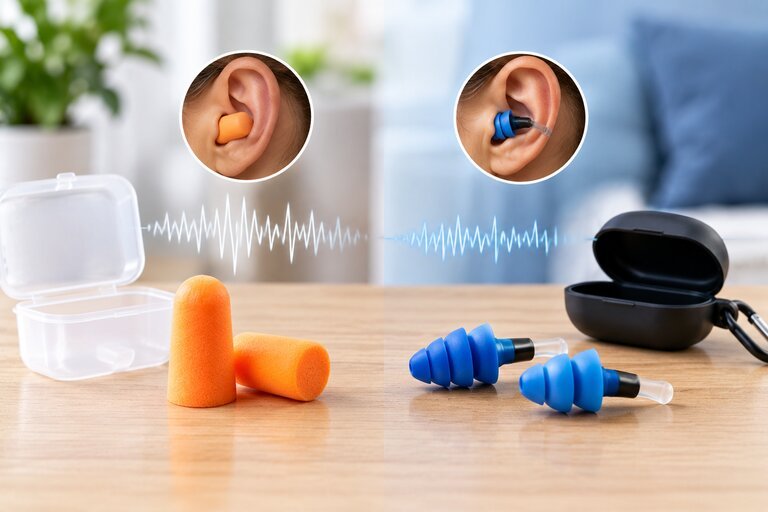
Sound-resistant earplugs are a newer category of hearing protection. They are built around selective noise filtering rather than simple blocking. Instead of muffling every sound at the same volume, they use acoustic filters or advanced materials. Those filters reduce harsh or disruptive noise. At the same time, they let voices, alarms, and other important sounds through at a lower, more manageable level.
Regular foam and silicone earplugs work differently. They rely on simple physical blockage. They compress, then expand inside the ear canal. They reduce sound more or less uniformly, with no real distinction between a smoke alarm and a snoring partner.
That single design choice is at the center of how sound resistant ear plugs differ from regular earplugs in daily use. A pair built for selective filtering can leave a sleeper aware of a crying baby or a fire alarm. A standard foam plug is not designed to do that.
The materials involved reflect that difference too. Basic foam plugs use a single, uniform material throughout. Filtered designs typically combine two or more components: a soft body for comfort, plus a small acoustic channel or membrane that does the actual filtering work. That layered construction is part of why sound-resistant plugs tend to cost more than a bag of disposable foam.
Key Differences in Design and Material
Regular earplugs are typically made from memory foam or moldable silicone. They are inexpensive, and most are disposable. They are also simple to use: roll, insert, and let them expand. Their sound attenuation varies quite a bit from one brand to the next. Fit largely depends on how well someone rolls and seats the foam before it expands.
Sound-resistant earplugs are engineered differently. Many use a soft outer shell paired with an internal acoustic filter or channel. The materials are chosen to reduce noise while preserving some clarity of speech and ambient sound. Their ergonomic shape is meant for a more secure, repeatable fit. That matters, because a loose seal is one of the biggest reasons any earplug underperforms its stated rating.
Comfort and Fit
Comfort is one of the most common complaints about standard earplugs. Foam plugs can create pressure points inside the ear canal. That discomfort tends to get worse the longer the plugs stay in. Reusable, sound-resistant designs are shaped to conform more naturally to the canal. They spread pressure over a wider surface instead of concentrating it at one point.
That distribution matters for anyone wearing earplugs through an entire night or an eight-hour shift. Fatigue and irritation are usually what cause people to give up on hearing protection altogether, even when they know they should keep using it.
How Noise Reduction Ratings Work


Every set of earplugs sold in the U.S. carries a Noise Reduction Rating, or NRR, on its packaging. That number represents the maximum sound reduction a plug can provide under laboratory conditions. Real-world protection is almost always lower. Fit, insertion depth, and ear shape all affect how well a plug performs outside a lab.
The CDC’s National Institute for Occupational Safety and Health (NIOSH) notes that the printed NRR “often does not reflect the actual protection provided for each worker.” NIOSH recommends individual fit testing whenever hearing protection is used for safety, not just comfort.
NIOSH guidance also points out that most people do not need the full advertised NRR. Getting noise exposure down to roughly 75 to 85 dBA is usually enough. Almost any hearing protector, fit correctly, can reduce noise by about 10 decibels. For very loud environments of 100 dBA or higher, NIOSH recommends doubling up: wearing earplugs and earmuffs together, rather than relying on the NRR number alone.
This is one more way sound resistant ear plugs differ from regular earplugs. Filtered designs are built around a real-world, everyday NRR. A generic foam plug’s number is closer to a theoretical maximum meant for a controlled lab environment, not a noisy bedroom or job site.
For workplace noise specifically, OSHA’s occupational noise standard sets a permissible exposure limit of 90 decibels averaged over an eight-hour shift. A lower, 85-decibel action level triggers a formal hearing conservation program, including annual hearing tests. Anyone regularly exposed to noise near or above that action level should treat earplug selection as a safety decision, not just a comfort one.
Noise Filtering and Functionality
Standard earplugs generally block all noise more or less equally. That can make it hard to hear alarms, conversations, or a coworker calling out a warning. Sound-resistant earplugs use selective filtering instead. They cut harmful or disruptive noise while letting important sounds pass through at a reduced, tolerable volume.
That distinction makes them a better fit for situations where total isolation is not the goal. Work environments are one example. Sleeping next to a partner is another. Travel is a third, since staying aware of announcements still matters even with hearing protection in place.
Durability and Maintenance
Durability is another practical difference. Disposable foam plugs degrade quickly. They lose shape and effectiveness after a handful of uses, and most people simply throw them away. Reusable, sound-resistant earplugs are designed to be cleaned and reused for months. That lowers the long-term cost and cuts down on waste.
Maintenance is usually simple. A gentle wash with mild soap and water removes earwax and debris. It does this without damaging the filter or the outer shell, as long as the plugs are left to air dry fully before the next use.


Why Hearing Protection Matters
The case for taking earplug choice seriously goes beyond comfort. According to a CDC Vital Signs report, nearly one in four U.S. adults show the audiometric signs of noise-induced hearing loss. Men are affected substantially more often than women. Among adults exposed to loud noise at work, roughly seven in ten say they rarely or never wear hearing protection.
The same report found something worth pausing on. A large share of adults with measurable hearing damage still describe their own hearing as excellent or good. Noise-induced hearing loss tends to develop gradually and painlessly, which is exactly why it goes unnoticed for so long.
That slow, painless progression is why consistent, comfortable hearing protection matters more than an occasional pair of plugs kept in a junk drawer. People are far more likely to wear earplugs regularly when the plugs are comfortable enough to keep in for hours at a time. That is one practical argument for a well-fitted, reusable design over a one-size-fits-all foam plug.
If loud noise exposure has already led to some hearing loss, it is worth learning what level of hearing loss requires a hearing aid. Early intervention tends to produce better long-term outcomes than waiting.
Signs Regular Earplugs Are Not Working Well Enough
A few warning signs suggest it may be time to switch away from basic foam plugs. Ears feeling sore or irritated after just an hour or two is one. Waking up with plugs already fallen out overnight is another, since that means the seal failed hours before morning. Ringing or muffled hearing that lingers well after noise exposure ends is a sign worth taking seriously, and it is a good reason to talk with a doctor rather than simply switching brands.
None of these signs are exclusive to foam plugs. But a poor seal, discomfort, and inconsistent wear are the most common reasons any earplug fails to protect the way its rating promises, and they are exactly the problems sound-resistant designs are built to address.
Applications for Modern Lifestyles

Sound-resistant earplugs are not built just for sleep, though that remains one of the most common uses. A comfortable, reusable pair supports better sleep quality for people who live near traffic, in shared housing, or with a snoring partner. It does this without fully cutting off awareness of an alarm clock or a child in the next room. Anyone exploring broader options for improving sleep quality alongside hearing protection may also find value in how naturopathy helps with sleep disorders, which covers non-pharmaceutical approaches to common sleep problems.
They are also useful well beyond the bedroom. Office workers in open floor plans use them to stay focused during a noisy afternoon. Commuters wear them on trains and buses. Musicians and concert-goers rely on filtered designs for a specific reason: the designs preserve sound quality instead of muffling it entirely, which matters when the goal is protecting hearing without missing the performance.
Traveling and Everyday Noise Control
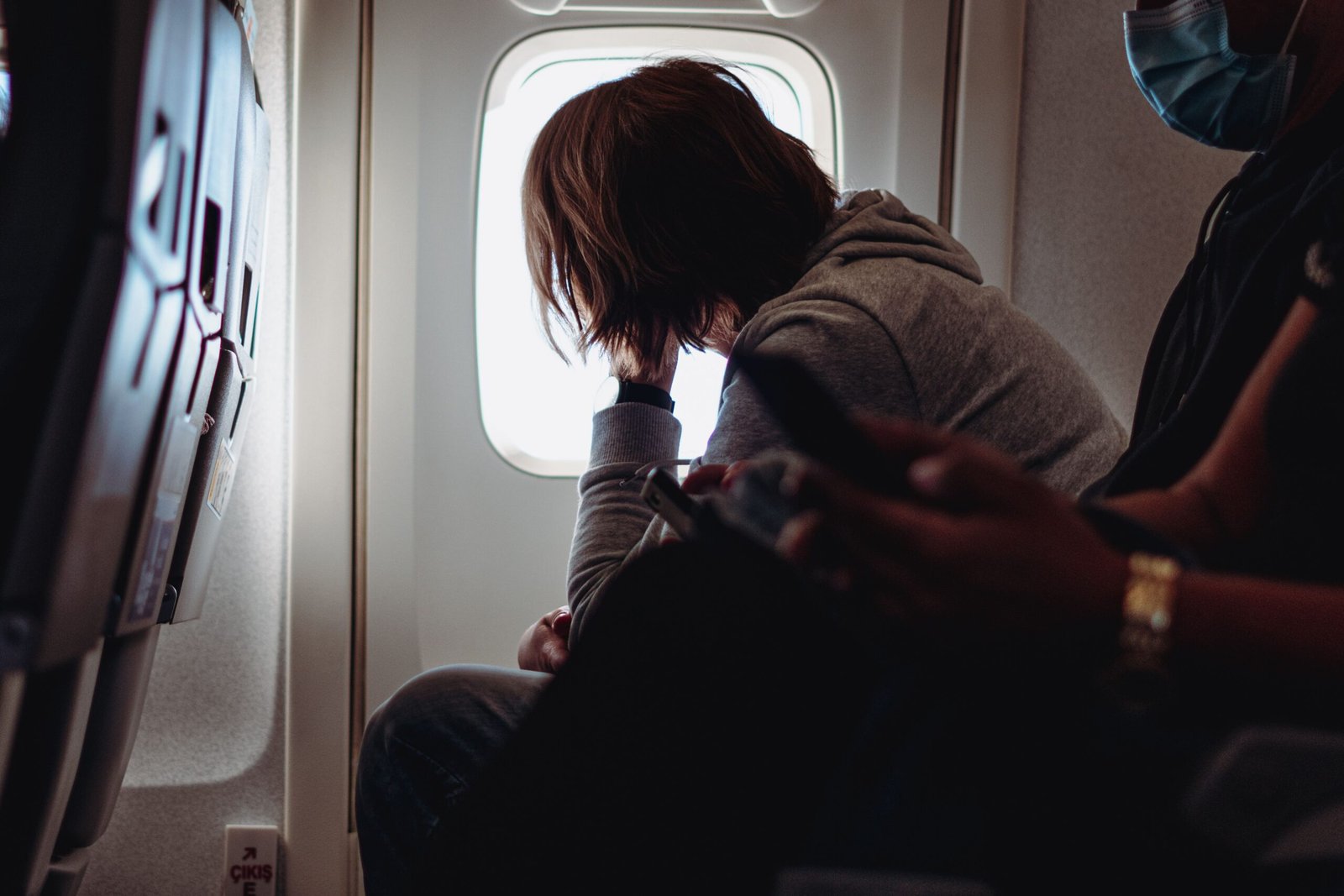
Travelers dealing with a loud cabin, a long layover, or a hotel room next to an elevator shaft are another group that benefits. This is exactly how sound resistant ear plugs differ from regular earplugs for this use case: enough noise reduction to make the environment tolerable, without losing the ability to hear a boarding announcement or a wake-up call.
Students in shared living spaces or open-plan study areas use them for a similar reason. They stay focused without fully isolating themselves from a roommate or a fire alarm. Parents describe a related benefit. They rest more easily at night while staying alert enough to hear a child who needs them.
The video below walks through the main types of hearing protection available today. It covers earplugs, earmuffs, and custom-molded options, and how an audiologist recommends choosing between them.

Choosing the Right Earplugs for You
The right choice depends mostly on the goal. Anyone who needs maximum noise reduction for a genuinely loud environment, such as machinery or power tools, is usually better served by a high-NRR foam or muff option. That choice should be made with the OSHA exposure guidance above in mind. Anyone who wants to reduce noise while staying situationally aware is usually better served by a filtered, reusable design instead. That covers sleep, travel, work, and everyday errands alike.
Fit matters more than the number printed on the package. A plug that is not seated correctly will underperform, no matter its rated NRR. A few simple habits make any hearing protection work as intended: try more than one size, check for a full seal against the canal, and replace foam plugs regularly instead of reusing them past their useful life.
Cost is worth a mention too. A reusable, filtered pair costs more upfront than a bag of foam plugs. But it can work out cheaper over months of regular use, since it is not thrown away after a single night. For those already managing hearing loss, comparing options in our hearing aids buying guide is a useful next step alongside better daily noise protection.
Insertion technique also affects how well any earplug performs, regardless of type. Pulling the outer ear gently up and back while inserting a plug helps straighten the ear canal, which lets the plug seat more fully. Rushing this step is one of the most common reasons people report weaker protection than the packaging promised, even with a well-designed, filtered plug.
Conclusion
Choosing the right earplugs can meaningfully affect sleep quality, focus, and long-term hearing health. The core distinction is simple. Regular foam and silicone earplugs block sound uniformly. They are inexpensive but often uncomfortable for extended wear. Sound-resistant designs work differently. They use selective filtering, a more ergonomic fit, and reusable materials to reduce harmful noise without cutting off the sounds that matter.
Understanding how sound resistant ear plugs differ from regular earplugs makes it easier to match the product to the situation. That situation might be a construction site, a long flight, or a bedroom that just will not stay quiet. For those seeking a complete, reliable option built around this filtered approach, products such as out like a light earplugs offer a practical solution. They support more restful sleep and a quieter, more focused daily routine.


Hi, I’m Mamon, the content creator behind this blog. I share my experience in blogging, WordPress, SEO, and affiliate marketing through honest product reviews, in-depth buying guides, and practical how-to articles. Every piece of content is thoroughly researched and written to help readers make informed decisions.