

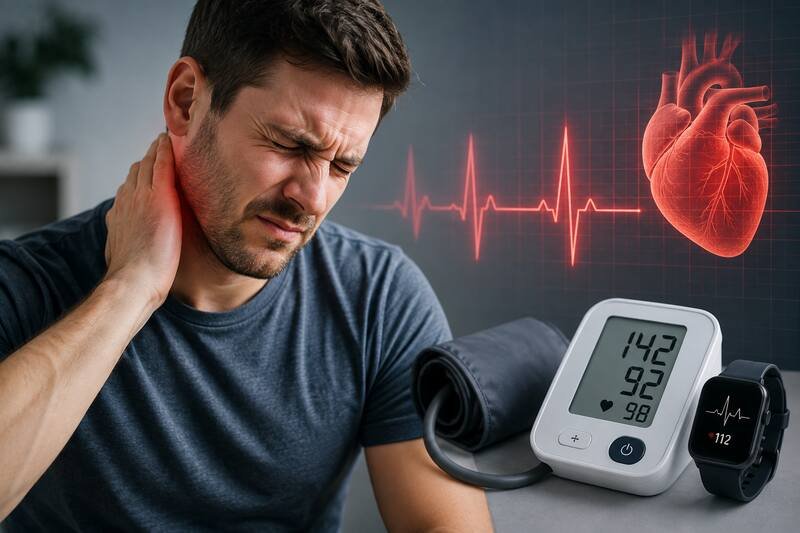

Whether the pain is acute or chronic, research consistently shows it can move your blood pressure and heart rate. New, large-scale research also shows that people living with long-term pain face a meaningfully higher risk of developing hypertension over time. This is a condition that, left unmanaged, can lead to disability, reduced quality of life, or worse. Understanding how does pain affect blood pressure and heart rate can help you recognize when a spike is a normal, temporary response. It can also help you spot when it is a sign of something that deserves closer attention from your doctor.
Key Takeaways
- Pain activates your sympathetic nervous system, releasing stress hormones that raise heart rate and blood pressure within seconds
- A 2025 study of more than 206,000 adults found chronic pain raises the long-term risk of developing high blood pressure, with widespread pain carrying up to a 75% higher risk
- Acute pain causes a temporary spike that resolves once the pain does; chronic pain keeps the cardiovascular system activated for months or years
- Higher blood pressure can, in turn, blunt pain sensitivity through a mechanism called baroreceptor-mediated hypoalgesia, creating a two-way relationship between pain and blood pressure
How Does Pain Affect Blood Pressure and Heart Rate?
The way pain is experienced differs from person to person. Past experiences, expectations, and even genetics can shape how tolerant someone is of a given sensation. But underneath that personal variation, pain sends the same basic signal to your nervous system: something is wrong, and the body needs to respond.
That signal triggers what is known as the sympathetic-adrenomedullary response. Your adrenal glands and sympathetic nerves release norepinephrine and epinephrine, the same stress hormones behind the classic fight-or-flight reaction. These hormones bind to receptors throughout your cardiovascular system. Within moments, your heart rate climbs and your blood vessels constrict. More blood gets pushed toward your muscles in case you need to react physically to the threat. This is also why increased mental alertness, a faster pulse, and stronger muscle output are common when pain first hits.
This is really the core of how does pain affect blood pressure and heart rate in the moment. It is a rapid, automatic nervous-system reflex, not something you consciously control. The same pathway fires whether the pain comes from stubbing your toe, a dental procedure, or a deep muscle strain. The intensity and duration of the response can vary widely, though, depending on how severe and how long-lasting the pain is.
The Baroreceptor Reflex and Why Blood Pressure Rises With Pain

Pain also interacts with your baroreceptor reflex, the body’s short-term blood pressure regulation system. Baroreceptors are specialized nerve endings in your artery walls that constantly monitor how much your blood vessels are stretching. When pain triggers a surge of sympathetic activity, those vessels constrict. Your brain then works to keep blood pressure within a workable range, adjusting heart rate and vessel tone as it goes.

Interestingly, this relationship runs both directions. Research published in the journal Anesthesiology found that healthy people with higher resting blood pressure tend to have lower pain sensitivity. Researchers call this phenomenon baroreceptor-mediated hypoalgesia. Pain sensitivity even shifts slightly across your own heartbeat, dropping during systole, when baroreceptor activation peaks, compared to diastole.
Two mechanisms are believed to drive this effect. Hypertensive individuals tend to have elevated natural opioid activity in the brain and spinal cord. They also show more active adrenergic neurons in the brainstem, which suppress pain signals when blood pressure activation is high. Notably, people with fibromyalgia show roughly 35% lower baroreceptor sensitivity than healthy adults, a change that tracks closely with more severe, harder-to-manage pain.

Acute Pain vs. Chronic Pain: Two Very Different Cardiovascular Effects
Acute pain is the kind that comes from a stubbed toe, a needle stick, or a pulled muscle. It tends to cause a brief, sharp increase in heart rate and blood pressure that returns to baseline once the pain resolves. It is uncomfortable, but it is not typically something that raises long-term cardiovascular risk on its own.
Chronic pain behaves very differently. It can come from back pain, arthritis, nerve damage, or cancer-related pain. When it persists for months or years, the sympathetic nervous system stays activated far longer than it was designed to. Over time, this sustained activation is associated with increased endogenous opioid demand, elevated resting heart rate, and a measurably higher risk of developing hypertension.
Chronic pain can also erode quality of life by contributing to anxiety and depression, both of which independently add to cardiovascular strain. Left unaddressed, this combination raises the long-term risk of heart attack, stroke, or other serious complications. This is exactly why understanding how does pain affect blood pressure and heart rate matters more for people managing long-term pain conditions than for someone dealing with a single, short-lived injury.
What the Research Actually Shows About Chronic Pain and High Blood Pressure
For years, the link between chronic pain and blood pressure was suspected but not well quantified. That changed with a large study published in the American Heart Association’s journal Hypertension in November 2025. Researchers led by Jill Pell, M.D., of the University of Glasgow followed 206,963 adults from the UK Biobank for an average of 13.5 years. Participants had an average age of 54 at enrollment.
At baseline, 35.2% of participants reported chronic musculoskeletal pain. Over the follow-up period, nearly 10% of all participants went on to develop high blood pressure. The risk was not evenly distributed. People reporting short-term pain had about a 10% higher risk of developing hypertension. Those with chronic, localized pain at a single site had roughly a 20% higher risk. The risk climbed further with how widespread the pain was. Participants with chronic widespread pain, meaning pain in multiple areas of the body, had a 75% higher risk of developing high blood pressure than people without chronic pain.
“The more widespread their pain, the higher their risk of developing high blood pressure,” Pell said in comments accompanying the study. Depression and inflammation, measured through C-reactive protein levels, together accounted for about 11.7% of the association between chronic pain and hypertension. That suggests mental health and low-grade inflammation are part of the pathway connecting the two conditions.
Which Types of Chronic Pain Carry the Highest Risk?
The same study broke down hypertension risk by where the pain was located, and the differences were substantial:
- Chronic widespread pain: 75% increased risk
- Chronic abdominal pain: 43% increased risk
- Chronic headaches: 22% increased risk
- Chronic neck or shoulder pain: 19% increased risk
- Chronic hip pain: 17% increased risk
- Chronic back pain: 16% increased risk
This pattern suggests that it is not just the presence of pain that matters, but how much of the body is affected by it. Pain in multiple locations appears to place a greater cumulative demand on the sympathetic nervous system than pain confined to one area. That may help explain the sharply higher risk seen with widespread pain. It also reinforces why doctors increasingly ask about the number of pain sites, not just pain severity.
Other Factors That Affect Blood Pressure
Pain is only one contributor to elevated blood pressure. Several other factors commonly interact with, or independently drive, high blood pressure risk:
- Genes: A family history of hypertension, especially in close relatives diagnosed before their senior years, raises your own likelihood of developing the condition
- Age: Blood pressure tends to rise as people get older because arteries naturally stiffen over time, restricting blood flow even in otherwise healthy adults
- Existing health conditions: Diabetes and kidney disease both raise blood pressure risk, partly because kidney disease can narrow the arteries that regulate blood flow
- Diet: A diet high in sodium causes the body to retain water, adding extra strain on blood vessel walls; excess sugar intake is similarly linked to elevated readings
- Lifestyle: Chronic stress, poor sleep, smoking, low physical activity, and regular alcohol intake all contribute to higher blood pressure over time
If you notice a persistent change in your numbers, work with your doctor to identify which of these factors, including pain, may be involved. Pain often overlaps with several of these factors at once, especially stress, poor sleep, and inactivity. That overlap can make cause and effect hard to isolate without tracking your numbers over time.

Signs of High Blood Pressure to Watch For
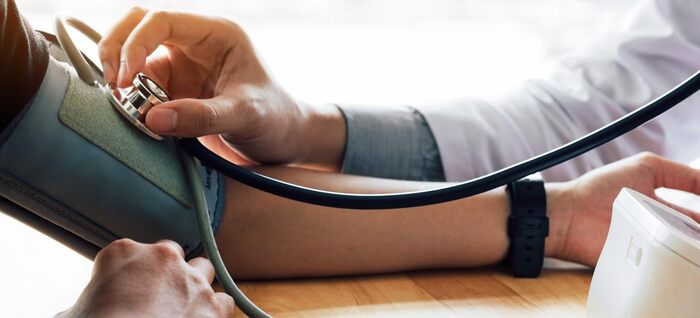
Most of the time, high blood pressure has no obvious symptoms until it becomes severe. That is why regular monitoring with a reliable blood pressure monitor matters, especially if you live with chronic pain. Still, it is worth knowing the warning signs that call for prompt medical attention:
- Severe headache
- Blurred vision or other vision changes
- Chest pain
- Dizziness
- Unusual fatigue
- Pounding sensation in the ears, neck, or chest
- Irregular heart rate
- Confusion
- Difficulty breathing
How Chronic Pain Is Managed to Protect Your Heart
Because pain and blood pressure are so closely linked, treating chronic pain is often part of protecting cardiovascular health, not separate from it. Your primary care provider may prescribe blood pressure medication directly, including:
- Beta blockers, which lower heart rate and, in turn, reduce blood pressure
- ACE inhibitors, which help prevent the narrowing of blood vessels
- Calcium channel blockers, which limit the excess calcium that can restrict blood flow
- Angiotensin II receptor blockers (ARBs), which relax blood vessels by blocking angiotensin II activity
Before reaching for blood pressure medication alone, though, most doctors will also want to identify and treat the underlying source of chronic pain. That might involve physical exams, blood work, urine tests, MRI, X-ray, or other imaging to pinpoint the cause. From there, treatment often combines medication, physical therapy, and lifestyle changes tailored to the specific type of pain involved, rather than a single fix.
This dual approach treats the pain itself alongside any resulting blood pressure changes. It reflects how does pain affect blood pressure and heart rate in practice: the two are rarely managed well in isolation.
Practical Tips for Managing Pain-Related Blood Pressure Changes

A few everyday habits can also help. Use them alongside whatever treatment plan your doctor recommends to take some pressure off your cardiovascular system while you manage pain:

Track your numbers consistently with a dependable home blood pressure monitor, and consider pairing it with an accurate heart rate monitor. This lets you see how your pain flare-ups correspond to changes in both numbers over time. This pattern, more than any single reading, is what your doctor actually needs to see.
Build in stress-reduction practices such as slow breathing, meditation, or gentle stretching. Because chronic stress and chronic pain both keep the sympathetic nervous system activated, addressing one often eases the other.
Stay as physically active as your pain allows. Gentle, doctor-approved movement, like walking or stretching, can reduce both pain sensitivity and blood pressure over time. Prolonged inactivity, by contrast, tends to make both worse.
Prioritize sleep. Poor sleep amplifies pain perception the next day and independently raises blood pressure. Together, these effects create a cycle that is hard to break without addressing rest directly.
When to See a Doctor

Reach out to your doctor if pain has lasted more than a few months, if your home readings are consistently elevated, or if you notice new symptoms like chest pain, shortness of breath, or vision changes. A single high reading during a painful moment is rarely an emergency on its own. But a pattern of elevated readings, especially alongside ongoing pain, is information your doctor needs to manage both conditions together.

Conclusion
So, how does pain affect blood pressure and heart rate? In the short term, pain activates your sympathetic nervous system, sending heart rate and blood pressure up within seconds as part of a normal, protective fight-or-flight response. In the long term, the picture is more serious. Large-scale research now shows that chronic pain, especially when it is widespread, meaningfully raises the risk of developing hypertension. Inflammation and depression both play a measurable role in that connection.
The most useful thing you can do is treat pain and blood pressure as connected, not separate, health issues. Track your numbers consistently, address chronic pain with your doctor, and bring any pattern you notice, not just a single reading, to your next appointment. Managing pain well is not just about comfort. For many people, it is also part of protecting long-term cardiovascular health.


Hi, I’m Mamon, the content creator behind this blog. I share my experience in blogging, WordPress, SEO, and affiliate marketing through honest product reviews, in-depth buying guides, and practical how-to articles. Every piece of content is thoroughly researched and written to help readers make informed decisions.