

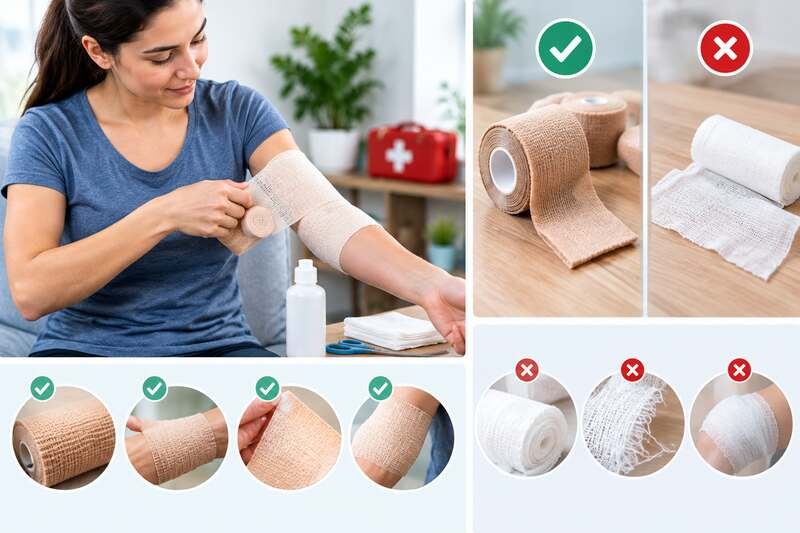

Looking for the best type of bandage to use instead of plain roller gauze? Well, you’re in luck! There’s a bandage that surpasses the plain roller gauze in terms of effectiveness and convenience. But, before we reveal its name, let’s look at why plain roller gauze might not be your best bet. Plain roller gauze, while commonly used, can be cumbersome and challenging to secure properly, often leading to frequent adjustments and potential discomfort for the wearer. So, what type of bandage is preferred over plain roller gauze? Let’s find out.
What Type of Bandage is Preferred Over Plain Roller Gauze?
Bandages are an essential component of first aid kits and medical supplies. They serve to protect wounds, promote healing, and provide support. One common type of bandage is the plain roller gauze, which is widely used in various medical settings. However, there are other types of bandages available that offer distinct advantages over plain roller gauze. In this article, we explore the different types of bandages preferred over plain roller gauze. We’ll highlight their benefits and specific applications so you know exactly what type of bandage is preferred over plain roller gauze for your situation.
Mayo Clinic’s first aid guidance for cuts and scrapes recommends covering a cleaned wound and changing the covering at least once a day or whenever it becomes wet or dirty. The type of bandage you choose can make that daily routine far easier or far more frustrating.

Elastic Bandages: Versatile and Supportive
Elastic bandages are a popular choice for many healthcare professionals and individuals seeking reliable wound care solutions. These bandages are made of stretchable fabric, allowing for a snug and comfortable fit. The elasticity enables them to provide excellent compression and support, making them ideal for sprains, strains, and muscular injuries. Here are some key benefits of using elastic bandages:
- Compression: Elastic bandages help reduce swelling by providing consistent compression to the injured area. This compression helps control inflammation and can accelerate the healing process.
- Support: The elasticity of these bandages offers superior support to joints, muscles, and tendons. They can help stabilize injured areas, preventing further damage and promoting faster recovery.
- Adjustability: Elastic bandages are highly adjustable, allowing for a customized fit. They can be easily wrapped around different body parts, ensuring secure and comfortable support.
- Breathability: Many elastic bandages are designed with breathable materials that allow air circulation. This feature helps maintain a dry and comfortable environment, reducing the risk of skin irritation or infections.
Elastic bandages are commonly used in sports medicine, orthopedics, and general first aid, in various widths and lengths for different body parts and injuries. If you’re wrapping a sprain, our guide on how long to wear a wrist brace for a sprain covers how elastic support fits into recovery timelines. Apply elastic bandages correctly, ensuring adequate compression without impairing blood circulation.
Cohesive Bandages: Self-Adherent and Easy to Use
Cohesive bandages, also known as self-adherent bandages, are the type of bandage most often preferred over plain roller gauze for everyday first aid. They’re made from a cohesive material that sticks to itself but not to the skin or hair. That means they wrap and secure the way roller gauze does, minus the pins, tape, or clips. Here are the key advantages of cohesive bandages:
- Self-Adherence: Cohesive bandages adhere only to themselves, eliminating the need for additional fasteners such as clips or tape. This feature makes them easy to apply and remove without causing discomfort or skin irritation.
- Flexibility: The cohesive material provides moderate compression while allowing for a full range of motion. This flexibility is particularly beneficial for joints and areas requiring both support and mobility.
- Waterproof: Many cohesive bandages are water-resistant, allowing individuals to engage in water-related activities without compromising the bandage’s integrity. This feature adds convenience and versatility to their use.
- Reusable: Cohesive bandages can be reused multiple times, as they do not lose their adhesive properties. This characteristic makes them an economical choice for minor injuries or situations where frequent changes are necessary.
Cohesive bandages find applications in sports, veterinary care, and everyday minor wound management. They are available in a variety of colors, widths, and lengths, catering to different needs and preferences. It’s worth keeping a roll in your first aid kit alongside plain gauze. When using cohesive bandages, it is important to ensure that the bandage is not wrapped too tightly to avoid impairing blood circulation.
Compression Bandages: Optimal Pressure and Healing
Compression bandages are a specialized type of bandage designed to provide consistent pressure to a specific area. They are commonly used in the management of venous disorders, such as deep vein thrombosis and lymphedema. Here are the key features and benefits of compression bandages:
- Graduated Compression: Compression bandages are designed with a gradient of pressure, applying more pressure at the distal end (farther away from the heart) and gradually decreasing pressure towards the proximal end. This graduated compression promotes blood circulation and reduces swelling.
- Edema Control: By effectively reducing swelling, compression bandages can help manage edema (fluid accumulation) in various conditions, including after surgery or injury.
- Pain Relief: The applied pressure from compression bandages can alleviate pain associated with venous disorders or traumatic injuries. By reducing swelling and promoting blood flow, they can support the healing process.
- Customizable: Compression bandages come in various sizes and materials, allowing for customization based on the specific needs of the patient. Healthcare professionals can select the appropriate level of compression and choose bandages suitable for different body parts.
Compression bandages require skillful application to ensure optimal pressure and effectiveness. Healthcare providers typically guide patients on the correct techniques and may use specialized bandaging systems for complex cases.
Foam Bandages: Enhanced Protection and Absorption
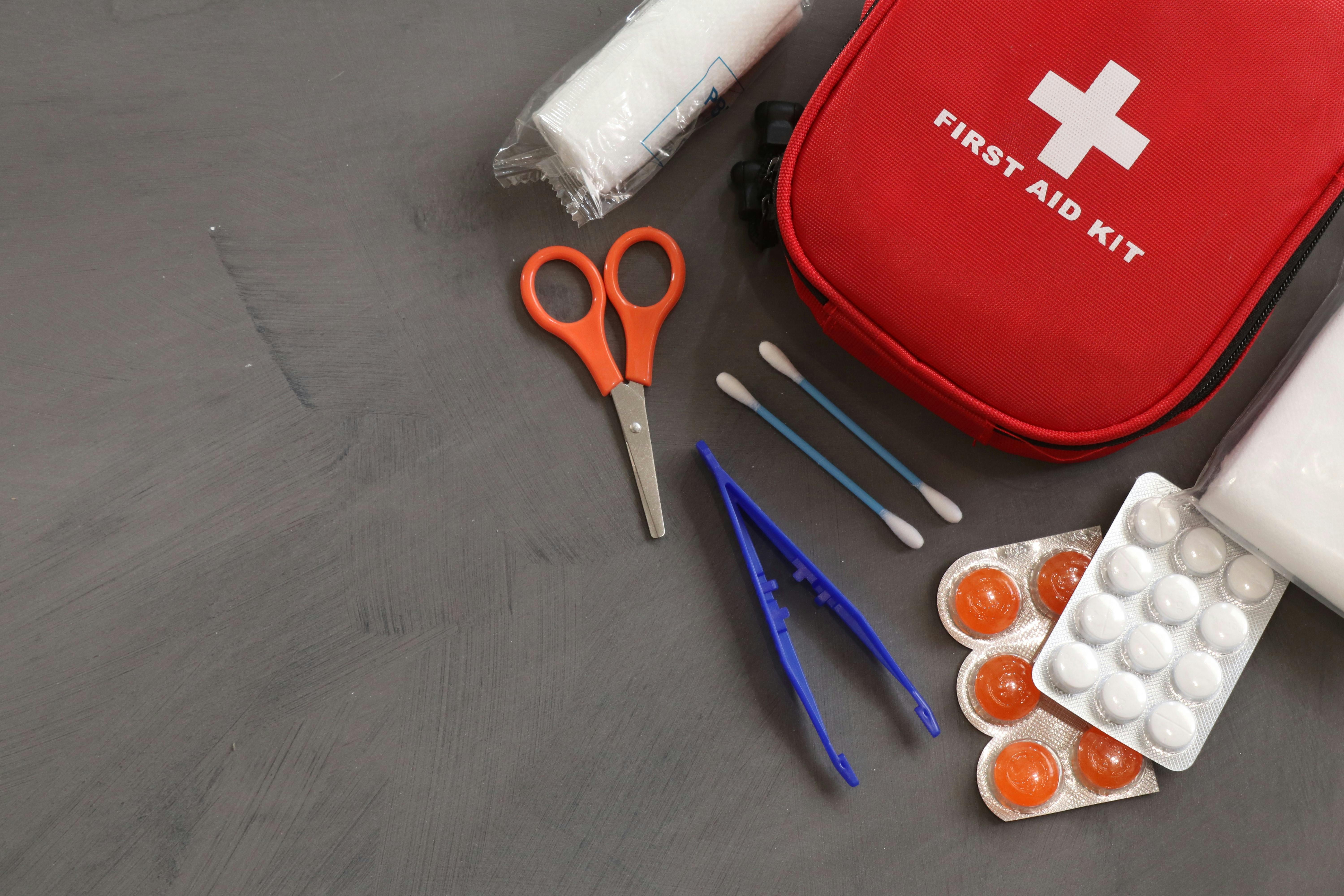
Foam bandages offer enhanced protection and absorption capabilities, making them suitable for wounds that require additional cushioning and moisture management. These bandages consist of a soft foam pad, generally made from materials like polyurethane, coated with an adhesive border. According to the NIH’s StatPearls wound dressing reference, foam dressings use a bilayer construction: an inner polyurethane or silicone layer paired with a hydrophobic outer layer. Together they absorb excess fluid while staying semi-occlusive and protective. Here are the key benefits of foam bandages:
- Cushioning: The foam pad in these bandages provides cushioning and gentle protection to the wound, reducing the risk of further injury or discomfort. It can help absorb shock and minimize pressure on the wound.
- Absorption: Foam bandages are highly absorbent, capable of absorbing excess moisture and wound exudate (fluid). This absorption capacity works best for moderate to heavy fluid output.
- Moisture Control: Some foam bandages have additional features like a breathable or moisture-wicking layer. These properties help manage moisture levels, preventing excessive dryness or excessive wetness.
- Non-Adherent: The adhesive border of foam bandages ensures that the dressing adheres securely to the surrounding skin without sticking to the wound itself. This non-adherent property minimizes pain and trauma during dressing changes.
Foam bandages are commonly used in wound care settings, particularly for moderate to heavily exuding wounds, pressure ulcers, or surgical incisions. Because they trade off wound visibility for absorbency, they typically need changing daily to a few times a week rather than left in place for long stretches. They are available in various sizes to accommodate different wound sizes and body areas.
Hydrocolloid Bandages: Encouraging Moist Wound Healing
Hydrocolloid bandages are advanced wound dressings that create a moist environment to promote the healing process. These bandages are composed of a gel-forming material, cross-linked hydrophilic polymers with cellulose, gelatin, or pectin. This material absorbs wound exudate and creates a protective barrier over the wound. Here are the key advantages of hydrocolloid bandages:
- Moist Wound Healing: Hydrocolloid bandages help create an optimal moist environment, enhancing the body’s natural healing processes. The NIH’s StatPearls reference notes that this environment also lowers wound pH, which helps inhibit bacterial growth, and reduces scarring while accelerating wound closure.
- Enhanced Comfort: The gel-like texture of hydrocolloid bandages provides a cushioning effect, offering comfort and pain relief to the wearer. They can adhere securely to the skin, allowing individuals to move freely without discomfort.
- Wound Protection: Hydrocolloid bandages form a barrier that protects the wound from external contaminants, including bacteria and dirt. This barrier reduces the risk of infection and supports undisturbed wound healing.
- Extended Wear Time: These bandages are typically left in place for 2 to 4 days, depending on the wound condition and exudate levels. This extended wear time decreases the frequency of dressing changes, reducing the overall inconvenience and cost of wound care. They aren’t appropriate for necrotic or infected wounds, so check with a healthcare provider first.
Hydrocolloid bandages are often used for shallow or moderately exuding wounds such as superficial burns, pressure sores, and post-operative incisions. They come in various sizes and shapes, including options specifically designed for use on heels, elbows, and other contoured areas.

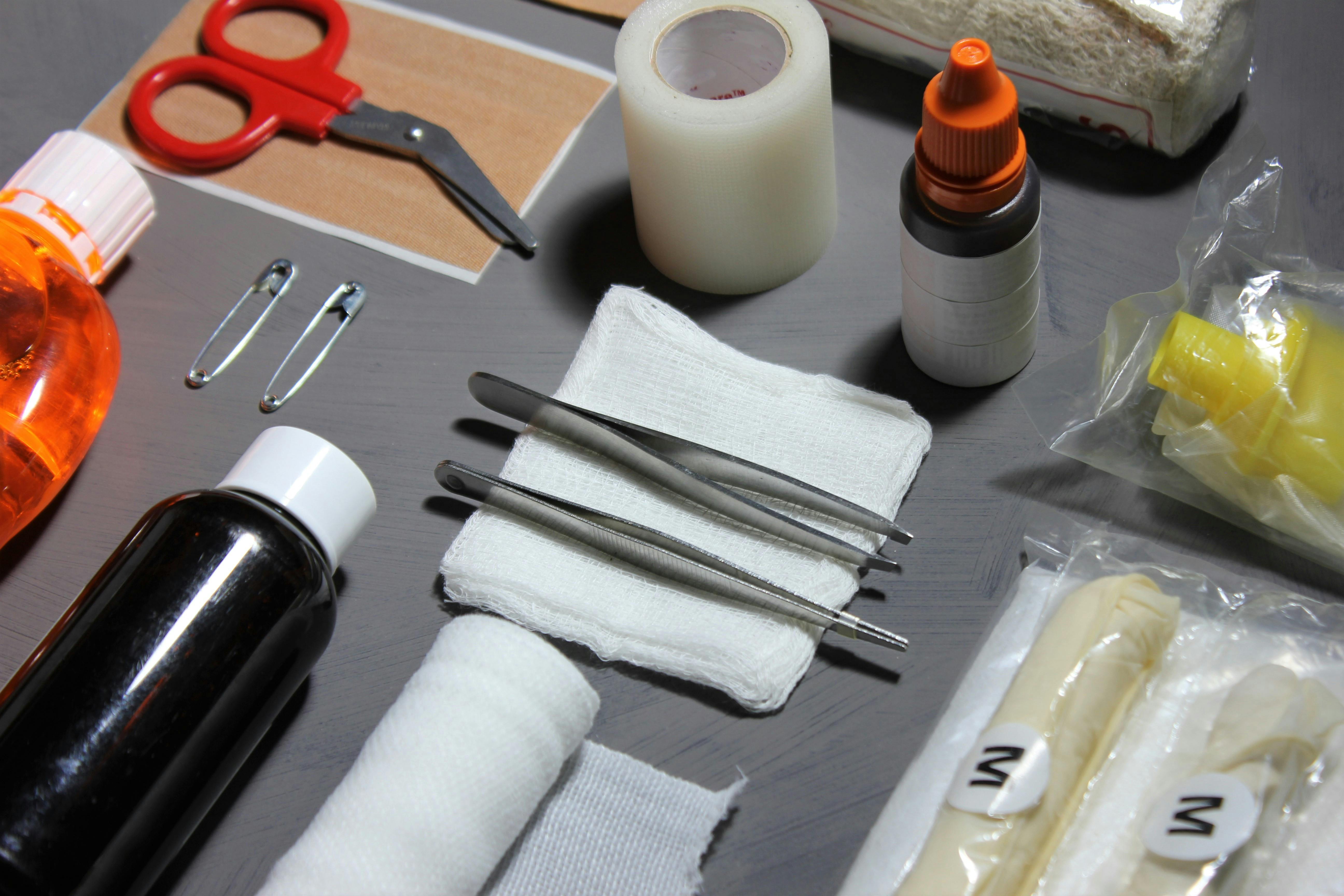
Selecting the right bandage matters for effective wound care. Beyond plain roller gauze, your options include elastic bandages for support, cohesive bandages for self-adherence, compression bandages for medical conditions, foam bandages for absorption, and hydrocolloid bandages for moist wound healing. Keeping a well-stocked first aid kit on hand, and checking that supplies haven’t expired, makes it easier to reach for the right bandage when you need it. Consulting with healthcare professionals or following product guidelines is advised to determine the most suitable bandage for individual needs.
Frequently Asked Questions
These common questions dig deeper into what type of bandage is preferred over plain roller gauze for specific situations.
Q1. What are the advantages of using compression bandages over plain roller gauze?
Ans: Compression bandages provide several benefits over plain roller gauze:
- They apply consistent pressure to the wound, helping to control bleeding more effectively.
- Compression bandages offer better support and stability to injured limbs, reducing the risk of further damage.
- They help reduce swelling and edema by applying pressure, promoting faster healing and reducing discomfort.
- Compression bandages are available in various sizes and materials, allowing for customization based on the specific needs of the injury.
Q2. When should elastic bandages be used instead of plain roller gauze?
Ans: Elastic bandages are often preferred over plain roller gauze in the following situations:
- For injuries that require compression therapy, such as sprains, strains, or muscle injuries.
- When there is a need to provide support and stabilization to joints, such as in sports-related injuries.
- In cases of venous insufficiency, where the goal is to improve blood circulation and reduce swelling.
- For managing post-surgical wounds, particularly in areas that require compression to minimize fluid accumulation.
Q3. What makes cohesive bandages a better choice than plain roller gauze?
Ans: Cohesive bandages offer several advantages over plain roller gauze:
- They adhere to themselves, eliminating the need for additional fasteners like clips or tape.
- Cohesive bandages are highly flexible and provide excellent support and compression to injured areas.
- They are easy to apply and remove without causing discomfort or pain to the patient.
- These bandages do not loosen or slip during movement or physical activity, ensuring prolonged and consistent compression.
Q4. Are adhesive bandages a better option than plain roller gauze for minor cuts and scrapes?
Ans: Adhesive bandages offer certain advantages for minor cuts and scrapes:
- They are easy to apply and offer a secure seal, protecting the wound from dirt and bacteria.
- Adhesive bandages are available in various sizes and shapes to fit different wound sizes and contours.
- They provide a barrier against water, allowing the wound to remain dry during activities like showering or swimming.
- Some adhesive bandages contain healing properties like antibacterial agents or non-stick pads to promote faster healing.
Q5. For burn injuries, what type of bandage is preferred over plain roller gauze?
Ans: For burn injuries, non-stick dressings are typically preferred over plain roller gauze. Here’s why:
- Non-stick dressings are specially designed to prevent adherence to the burn area, reducing pain and trauma during dressing changes.
- They provide a moist wound environment, which promotes healing and minimizes scarring.
- Non-stick dressings offer superior protection against infection by acting as a barrier against dirt and bacteria.
- These dressings are available as sheets or pre-cut shapes, ensuring easy application and customization based on the burn size and location.
Conclusion
So, what type of bandage is preferred over plain roller gauze? For most everyday cuts, scrapes, and minor injuries, cohesive (self-adherent) bandages are the closest like-for-like upgrade. They wrap and secure the way roller gauze does, but stick to themselves instead of needing tape or clips, so they stay put and come off easily. Elastic bandages are the better pick when you need compression and joint support. Compression bandages suit venous conditions like edema, foam bandages handle heavier wound drainage, and hydrocolloid bandages are best for moist wound healing over several days. Matching the bandage to the injury is what actually determines what type of bandage is preferred over plain roller gauze in any given situation, and checking with a healthcare professional or pharmacist is the safest way to choose when you’re unsure.


Hi, I’m Mamon, the content creator behind this blog. I share my experience in blogging, WordPress, SEO, and affiliate marketing through honest product reviews, in-depth buying guides, and practical how-to articles. Every piece of content is thoroughly researched and written to help readers make informed decisions.