

What size waist trainer should I get? It’s the single most common question people ask before buying their first piece of shapewear, and getting the answer right matters far more than the brand or color you pick. The right size determines whether your waist trainer actually supports your body, or just sits in a drawer after two uncomfortable wears.
Choosing the correct size comes down to two things: an accurate waist measurement and an honest understanding of how much a given garment is designed to compress. Skip either step and even a well-made waist trainer will disappoint you.
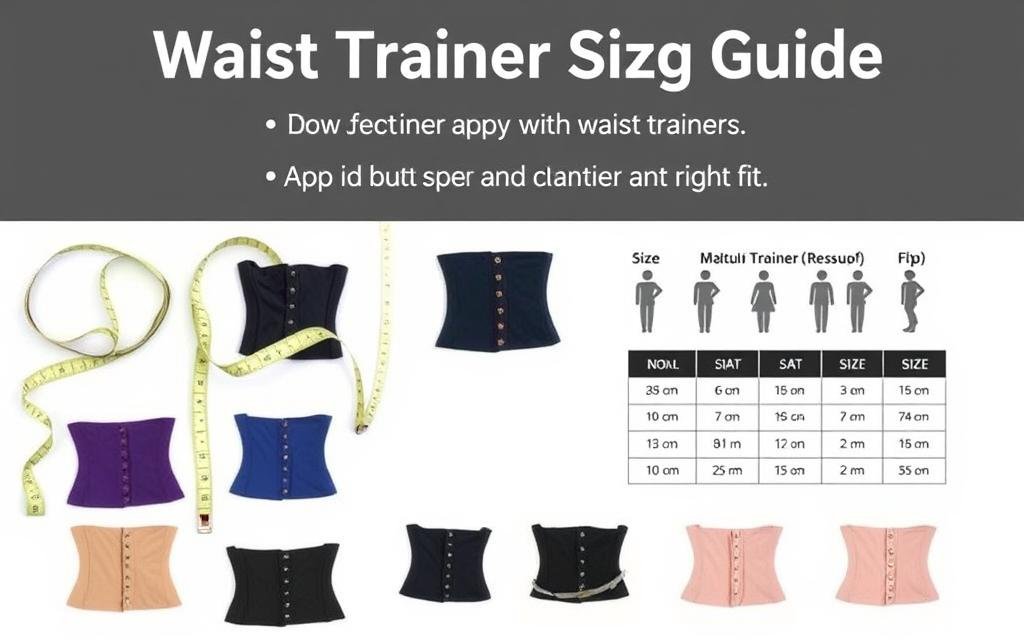

Key Takeaways
- An accurate natural-waist measurement is the foundation of finding the right size
- Structured, steel-boned waist trainers and corsets are sized differently than soft daily cinchers
- Comfort and normal breathing matter as much as compression
- Start with your current, real measurement rather than your goal size
- A properly fitted waist trainer supports your body instead of restricting it
- Wear time should build up gradually and stay within safe daily limits
- When you’re between two sizes, sizing up is almost always the better call
Understanding Waist Trainer Basics and Benefits
Waist trainers are shapewear garments designed to compress and shape the midsection, either for everyday wear under clothing or for short, intentional training sessions. Before you can answer what size waist trainer should I get, it helps to know which category of garment you’re actually buying, since sizing rules differ across them.

- Steel-boned corsets for more dramatic, structured waist reduction
- Latex waist trainers for workout compression and sweat support
- Everyday cinchers for subtle, all-day body contouring
- Sport-specific waist trainers built for athletic movement
How Waist Trainers Support Body Transformation
Waist trainers work by applying steady compression to the midsection. Used correctly, this can:
- Temporarily reduce visible waist circumference while worn
- Provide extra postural support during daily activities
- Create a smoother silhouette under fitted clothing
Waist training is not a substitute for diet or exercise. According to the Cleveland Clinic, any waist reduction from a trainer is temporary and disappears once the garment comes off. It works best as a short-term styling tool alongside a healthy lifestyle, not as a weight-loss method.
Benefits of Proper Sizing
Getting the size right is what separates a waist trainer that helps from one that hurts. A well-fitting garment gives you:
- Compression that shapes without restricting your breathing
- A far lower risk of chafing, pinching, or skin irritation
- Support that actually holds its shape through a full day of wear
| Waist Trainer Type | Primary Purpose | Recommended Wear Time |
|---|---|---|
| Everyday Cincher | Daily Body Contouring | A couple of hours at a time, not all day |
| Workout Trainer | Exercise Compression | During physical activity only |
| Steel-Boned Corset | Dramatic Waist Reduction | A couple of hours at a time, never overnight |
The Cleveland Clinic’s guidance on safe wear time applies across all three garment types above. Keep sessions to a couple of hours at a time, never sleep in a waist trainer, and never wear one for multiple consecutive days in a row. Wearing it too tight or too long can restrict breathing and digestion rather than support them.
How to Take Accurate Measurements for Your Waist Trainer
The honest answer to what size waist trainer should I get always starts with a measuring tape, not a size chart. A detailed, careful measurement is what everything else in this guide builds on.
Essential Tools for Measuring
Before you start, gather these simple tools:
- Flexible measuring tape (fabric or vinyl, never a metal tape)
- A mirror
- Comfortable, form-fitting clothing or bare skin
- Pencil and paper to record your numbers

Keep the tape level with the ground and snug against your skin, but not pulled tight. You should always be able to slip a finger underneath it. A measurement taken over thick clothing, or with the tape cinched too tight, will throw off every size recommendation that follows.

Step-by-Step Measurement Guide
- Stand straight with your feet shoulder-width apart
- Wear thin, tight-fitting clothing, or measure directly against skin
- Locate your natural waistline, the narrowest point of your torso, usually just above the belly button
- Wrap the measuring tape around your waist, keeping it level all the way around
- Breathe normally and keep the tape snug but not tight
- Record your measurement to the nearest quarter inch
Common Measurement Mistakes to Avoid
When taking your measurement, watch out for these common mistakes:
- Measuring over thick clothing
- Pulling the tape too tight, which shrinks your number artificially
- Measuring at the ribcage or hips instead of the natural waist
- Slouching or holding an unnatural posture while measuring
Take your time and measure twice. A single inch of error can be the difference between a comfortable fit and a garment that digs in or gaps open.
What Size Waist Trainer Should I Get Based on Your Measurements

Once you have an accurate natural-waist measurement, the sizing rule depends on the type of garment you’re buying, and it’s simpler than most charts make it look.
Hourglass Angel’s official fit guide puts it plainly: structured, steel-boned corsets and waist trainers are typically sized about 4 to 5 inches smaller than your natural waist measurement. That gap is meant to close gradually over time as you break the garment in, so a 32-inch natural waist generally corresponds to a 27 to 28-inch structured trainer or corset.
- Measure your natural waist at its narrowest point before doing anything else
- For structured, steel-boned trainers and corsets, size down about 4 to 5 inches from that measurement
- For soft, everyday latex cinchers, order your true waist measurement instead, since these garments already run smaller than standard clothing sizes and rarely need additional sizing down
So what size waist trainer should I get if your measurement lands between two chart sizes? Size up. A waist trainer that’s slightly roomy can still be adjusted with the hooks or laces, while one that’s too small will simply be uncomfortable and unwearable.
| Natural Waist Size | Recommended Trainer/Corset Size | Typical Reduction |
|---|---|---|
| 26-28 inches | Small (22-24 inches) | 4-5 inches |
| 28-31 inches | Medium (24-27 inches) | 4-5 inches |
| 31-35 inches | Large (27-31 inches) | 4-5 inches |
This 4 to 5 inch rule applies to structured, steel-boned garments. If you’re shopping for a soft everyday cincher or a workout trainer instead, skip the reduction and order the size that matches your actual waist measurement. These garments are built to compress without that extra built-in gap. Brands like Hourglass Angel and Ann Chery are known for running small, so when in doubt, size up rather than down.
Understanding Waist Trainer Size Charts and Conversions
Brand size charts are where the question of what size waist trainer should I get gets complicated fast, because every manufacturer measures a little differently.

Standard Size Chart Guidelines
Most brand size charts ask for the same core measurement: your natural waist, the narrowest point between the bottom of your ribcage and the top of your hips. Keep these tips in mind whenever you check a chart:
- Use a soft measuring tape without pulling it tight
- Make sure you can slip a finger underneath the tape
- Measure while standing relaxed, not sucking in your stomach
Brand-Specific Sizing Variations
Sizing varies meaningfully from brand to brand. Hourglass Angel, Ann Chery, and Squeem all publish their own size charts, and none of them are interchangeable. Before you order, always:
- Check that specific brand’s own size chart, not a generic one
- Compare your fresh measurement against it carefully
- Size up if you land between two listed sizes
International Size Conversions
Shopping from international brands adds another layer, since a U.S. size 6 doesn’t always match a Colombian or European size 6. Your best approach is to:
- Check the brand’s own international size conversion chart
- Contact the seller directly if measurements aren’t listed clearly
- Read verified customer reviews that mention true-to-size feedback
Taking a few extra minutes to compare your measurements against the specific brand’s chart, rather than assuming sizes are universal, is what actually prevents a return.
Factors That Influence Your Waist Trainer Size


Your waist measurement is only part of the picture. Body type is one of the biggest reasons the answer to what size waist trainer should I get changes from person to person, even at the same waist measurement.
If you’re new to waist training, a gentler, roomier fit will feel more comfortable while your body adjusts than a fit chosen for someone with years of experience. Things worth thinking through before you buy include:
- Body fat percentage and how your midsection compresses
- Muscle tone, since firmer tissue compresses less than softer tissue
- Your specific goals, whether that’s everyday shaping or occasion wear
- Your own comfort tolerance for compression
Softer midsection tissue tends to compress more easily, which is why two people with an identical waist measurement can still need different sizes. Someone with more lean muscle around the waist may prefer a slightly roomier fit and a more gradual break-in period.
| Body Type | Suggested Starting Compression | Typical Waist Training Experience |
|---|---|---|
| Softer Midsection Tissue | Higher compression tolerated more easily | Comfortable for most experience levels |
| Firmer, Muscular Midsection | Moderate compression recommended | Best suited to beginners |
| Athletic Build | Light to moderate compression | Best suited to intermediate wearers |
Read your own body’s feedback over any chart. If a size feels wrong even though the measurements match, trust the discomfort and size up.
Signs of a Properly Fitted Waist Trainer
Even with a correct measurement, the true test of sizing happens once you actually put the garment on. Knowing what proper fit feels and looks like helps you catch a sizing mistake before it becomes a habit of discomfort.
Comfort Indicators
A well-fitted waist trainer should feel snug but never painful. Watch for these signals:
- You can breathe normally without feeling constricted
- No pinching or digging into your skin, especially at the ribs or hips
- Only minimal discomfort during the first few wears, which should fade
- You can move and bend without serious resistance
Visual Fit Guidelines
Check your fit in the mirror for these visual cues:
- Smooth, even compression across the whole garment
- No visible bulging or rolling at the top or bottom edge
- A consistent, unbroken line from waist to hips
- No large gaps between the trainer and your body
Movement and Flexibility Tests
Try these simple tests before committing to a size:
- Sit down and stand back up a few times
- Twist your torso gently from side to side
- Bend forward and then straighten back up
- Confirm your breathing stays unrestricted through each movement
| Fit Characteristic | Good Sign | Warning Sign |
|---|---|---|
| Breathing | Normal, unrestricted | Labored or difficult |
| Skin Reaction | No irritation | Pinching, redness, or marks |
| Movement Range | Full flexibility | Significant restriction |
New waist trainers typically feel tight at first and loosen slightly as the fabric and boning break in. That said, feeling tight is different from feeling painful. If you can’t breathe normally or move comfortably after the first few short wears, size up rather than pushing through it.
Conclusion
What size waist trainer should I get? By now, the answer should feel far less overwhelming than it did at the start of this guide. It comes down to an honest natural-waist measurement, understanding whether your garment is structured or soft, and applying the right sizing rule for that category. That means roughly 4 to 5 inches smaller for structured corsets and trainers, or your true measurement for everyday cinchers.
Brands like Hourglass Angel and Vedette offer sizes across a wide range of body types, but no brand’s chart replaces your own measuring tape. When you’re between two sizes, size up, keep wear time to a couple of hours at a time, and let your body’s comfort guide the final call.
Once you’ve found the right size, proper care matters too. Learn how to wash a waist trainer correctly to protect its shape, and see the full benefits of waist training before you decide how often to wear it. If you’d rather build your own, our guide on how to make your own waist trainer walks through the process step by step. And if bloating is part of what’s driving your decision, it’s worth reading whether waist training actually helps with bloating first.
Your body, your measurements, and your comfort should always outweigh a generic chart. Measure carefully, choose the category that matches your goals, and give yourself permission to size up when in doubt.


Hi, I’m Mamon, the content creator behind this blog. I share my experience in blogging, WordPress, SEO, and affiliate marketing through honest product reviews, in-depth buying guides, and practical how-to articles. Every piece of content is thoroughly researched and written to help readers make informed decisions.