


Key Takeaways
- Kratom is a plant from Southeast Asia. It is legal at the federal level in the US, but the FDA has never approved it as a drug, dietary supplement, or food additive.
- As of mid-2026, nine states ban kratom outright, and California has effectively blocked commercial sales through state health department action.
- The FDA and CDC link kratom to real risks, including dependence, seizures, liver injury, and a sharp rise in poisonings over the past decade.
- Claims that kratom treats cancer, HIV, epilepsy, or diabetes are not supported by human clinical research. Anyone considering it for a health condition should talk to a doctor first, not use it as a substitute for medical care.
What is kratom?
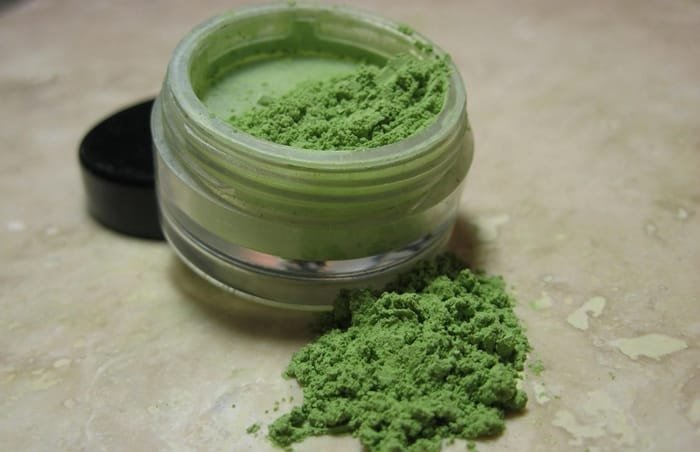
Kratom (Mitragyna speciosa) is a tropical tree in the coffee family, native to Southeast Asia, where its leaves have traditionally been chewed or brewed into tea. In the US, it’s more commonly sold as a powder, capsule, or extract. The leaves contain compounds called mitragynine and 7-hydroxymitragynine (7-OH), which act on the same opioid receptors in the brain as prescription painkillers. That’s why low doses tend to feel stimulating, while higher doses produce more sedating, opioid-like effects.
That pharmacology is also why kratom sits in a legal and scientific gray area. It isn’t a controlled substance under federal law, but it isn’t an approved medical treatment either, and the products sold in US smoke shops and gas stations often look nothing like the traditional leaf preparations kratom’s reputation is based on.
Does kratom actually treat any medical condition?
No. Despite what some retailers and older blog posts claim, kratom is not an approved treatment for cancer, HIV, epilepsy, diabetes, asthma, or addiction. Claims like these usually trace back to isolated animal or cell-culture studies, not human clinical trials, and the FDA has repeatedly warned that there are few well-designed studies of kratom in people. The agency has also sent warning letters to companies for marketing kratom with unproven claims about treating opioid withdrawal, pain, and other conditions.
Some people do report using kratom informally for chronic pain, anxiety, or opioid withdrawal symptoms, and that use is part of why it’s grown popular. But “people use it for X” is different from “it’s proven to treat X,” and right now the second claim isn’t backed by the kind of evidence the FDA requires to approve a drug.
What do regulators actually say about kratom’s safety?
Here’s where the picture gets more serious than a typical supplement writeup. The FDA states plainly that kratom is not appropriate for use as a dietary supplement, and it has warned for more than a decade that kratom can cause liver disease, seizures, addiction, and death. According to reporting from U.S. News, the CDC found that hospitalizations and poisonings tied to kratom rose more than 1,200% over the past decade.
Much of the recent concern centers on 7-OH, a compound naturally present in kratom leaf only in trace amounts, but which some manufacturers now concentrate synthetically into gummies, shots, and pills sold as “stronger” kratom products. As explained by VCU Health, these concentrated 7-OH products carry a real risk of dependence and overdose because they act more strongly on opioid receptors than natural kratom leaf. “Kratom and 7-OH are not harmless herbal supplements, they act on the same receptors as opioids,” a Virginia Poison Center physician told VCU Health. “People using these substances can have the same detrimental effects seen with opioids.” In July 2026, the DEA moved to temporarily classify high-concentration 7-OH as a Schedule I substance, the same category as heroin, while it completes a formal scheduling review.
Is kratom legal where you live?
Kratom’s legal status in the US is a patchwork, and it changes often, so treat any list as a snapshot rather than a permanent answer. As of mid-2026, kratom is banned outright in nine states: Alabama, Arkansas, Connecticut, Indiana, Kansas, Louisiana, Tennessee, Vermont, and Wisconsin. California hasn’t passed a criminal ban, but its health department has taken administrative action that has effectively blocked commercial kratom sales in the state. Roughly a dozen more states, plus a growing number of cities and counties, regulate kratom under versions of the Kratom Consumer Protection Act, which sets age limits, requires lab testing, and restricts 7-OH concentration rather than banning the plant outright.
Because the rules vary so much by state and even by city, check your own state’s current law before buying, carrying, or using kratom. A product that’s legal to buy online may still be illegal to possess where you live.

Who should stay away from kratom entirely
Even where kratom is legal, it isn’t a good fit for everyone. Based on FDA and poison-control guidance, it’s worth avoiding, or discussing with a doctor first, if you:
- Are pregnant or breastfeeding. Kratom use during pregnancy has been linked to opioid withdrawal symptoms in newborns.
- Have a history of substance use disorder, since kratom acts on opioid receptors and can itself become habit-forming.
- Take other medications, especially opioids, benzodiazepines, or anything else that affects the central nervous system, due to the risk of dangerous interactions.
- Have liver or heart conditions, given documented reports of liver injury and cardiac effects tied to kratom use.
- Are considering kratom to manage a diagnosed medical condition instead of, rather than alongside, actual medical treatment.
Frequently asked questions
Is kratom the same as an opioid?
Not exactly, but it acts on the same receptors. Kratom’s active compounds bind to opioid receptors in the brain, which is why it can relieve pain and produce withdrawal symptoms similar to opioids, even though the plant itself isn’t classified as an opioid under federal law.
Is kratom addictive?
It can be. The FDA and multiple poison control centers report that regular kratom use can lead to dependence and withdrawal symptoms, and case reports describe patterns of escalating use similar to what’s seen with prescription opioids.
Can you overdose on kratom?
Yes, particularly with concentrated 7-OH products or when kratom is combined with other substances like alcohol or opioids. The CDC has documented a sharp rise in kratom-related poisonings and hospitalizations in recent years.
Is kratom legal to buy online?
It depends entirely on your state and, in some cases, your city. Federal law doesn’t ban kratom, but state and local law can, and enforcement varies. Always check current local law rather than relying on a vendor’s shipping policy as proof of legality.
In conclusion
Kratom is a real plant with a long traditional history, but the version being marketed across the US today, often as capsules, powders, and concentrated 7-OH products, is not an FDA-approved treatment for any medical condition, and it carries documented risks of dependence, overdose, and organ injury. If you’re dealing with chronic pain, anxiety, or opioid withdrawal, the safest path is talking to a doctor about treatments with real clinical evidence behind them, not self-treating with an unregulated botanical product. If you do choose to use kratom despite these risks, check your state and local laws first, and treat any product claiming it can cure a serious illness with real skepticism.


Hi, I’m Mamon, the content creator behind this blog. I share my experience in blogging, WordPress, SEO, and affiliate marketing through honest product reviews, in-depth buying guides, and practical how-to articles. Every piece of content is thoroughly researched and written to help readers make informed decisions.