

If string floss makes your gums sting or bleed, you are not alone. Sensitive gums are one of the most common reasons people skip flossing altogether. A water flosser for sensitive gums can be a gentler alternative, because it cleans with a stream of water instead of a thin string pressed between teeth.
This guide explains why gums become sensitive, how a water flosser can help, which settings and features to look for, and a step-by-step routine to build comfort over the first few weeks. It also covers when bleeding is normal and when it is a sign to see your dentist.
Key Takeaways
- A water flosser for sensitive gums cleans between teeth without the friction of string floss.
- Start on the lowest pressure setting with lukewarm water, then increase slowly over one to two weeks.
- Light bleeding in the first week or two is common as inflamed gums heal.
- In a 2023 12-week clinical trial of adults with gingivitis, water flossing reduced gum bleeding significantly.
- See your dentist if bleeding lasts longer than two weeks or comes with pain, swelling, or loose teeth.
Why Are My Gums Sensitive?
Gum sensitivity usually means your gums are inflamed or irritated. The most common cause is plaque, the sticky film of bacteria that builds up along the gumline. According to the Cleveland Clinic, plaque buildup is the main cause of bleeding gums, which is a common symptom of gingivitis and other forms of gum disease.
Gum disease is very common in the U.S. Data from the National Institute of Dental and Craniofacial Research shows that about 42% of adults aged 30 and older have some form of periodontitis.
Other causes of sensitive gums include:
- Brushing too hard or using a hard-bristled toothbrush
- Flossing with a snapping or sawing motion
- Hormonal changes, such as during pregnancy or menopause
- Certain medications, including blood thinners
- Smoking or vaping
- Vitamin C or vitamin K deficiency
- New dental work, braces, or ill-fitting appliances
If you are not sure why your gums are sensitive, ask your dentist. Treating the cause is just as important as choosing gentle tools.

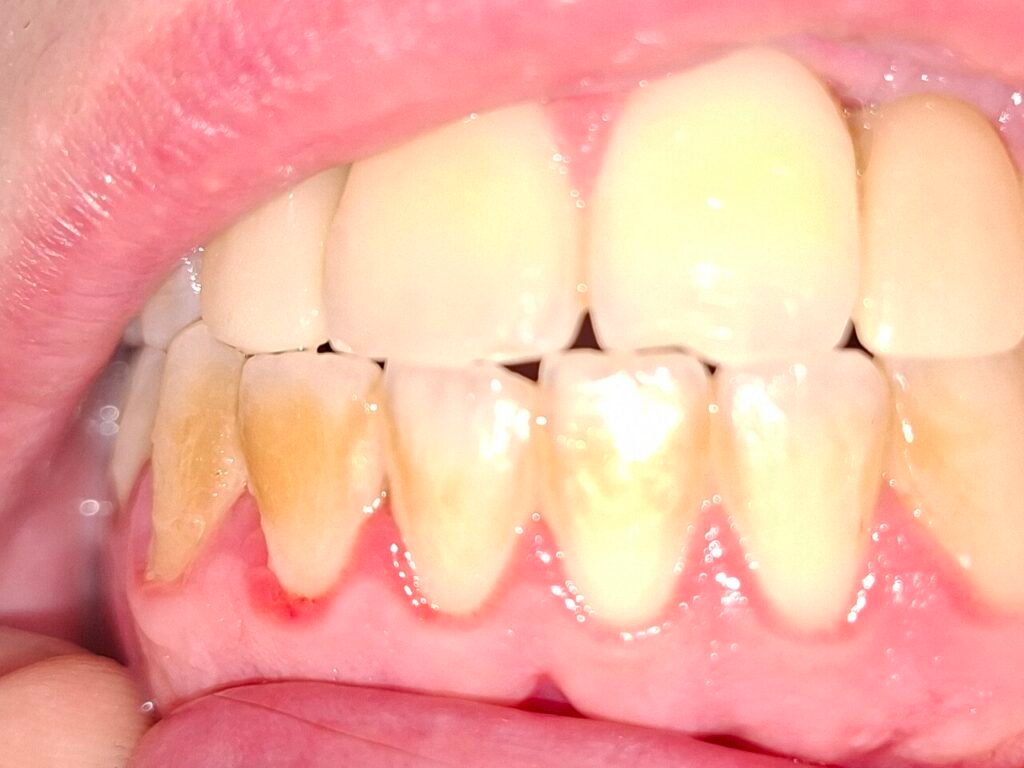
Photo: Roquex / Wikimedia Commons (CC0)
Can a Water Flosser Help Sensitive Gums?
Yes, for most people. A water flosser for sensitive gums uses a pulsing stream of water to flush plaque and food from between teeth and just below the gumline. There is no string rubbing against tender tissue, and you control the pressure.
Research supports this approach. In a 12-week randomized clinical trial published in 2023, 70 adults with gingivitis used either a water flosser or string floss along with brushing. The water flosser group saw significant reductions in gum bleeding and inflammation over the study period.
Other studies point in the same direction. A 2023 systematic review of seven randomized trials found that most favored water flossers over string floss for reducing gum bleeding. A 2013 study found that water flossing removed 74.4% of plaque compared with 57.7% for string floss, although that study was funded by a water flosser manufacturer.
The gentle feel matters too. People are more likely to floss every day when it does not hurt, and daily cleaning is what lets gums heal.
Water Flosser vs String Floss for Sensitive Gums
| Factor | Water flosser | String floss |
|---|---|---|
| Feel on tender gums | Gentle, adjustable | Can sting or cut |
| Pressure control | Yes, multiple settings | Depends on technique |
| Reaches below the gumline | Yes, with water flow | Limited |
| Bleeding at first | Usually light | Often more noticeable |
| Learning curve | Short | Moderate |
| Cost | Higher upfront | Low |
For a full comparison, read our guide to water flosser vs floss.
Features to Look for in a Water Flosser for Sensitive Gums
Not every model is equally gentle. When shopping for a water flosser for sensitive gums, look for these features:
| Feature | Why it matters |
|---|---|
| Low minimum pressure | Lets you start very gently |
| Many pressure settings | Lets you increase in small steps |
| Soft or sensitive mode | Gentler stream designed for tender gums |
| Pause button on the handle | Stops water quickly if it feels uncomfortable |
| Soft or rubber-tipped attachments | Reduces contact pressure on gums |
| Warm-water-safe reservoir | Lukewarm water feels more comfortable |
| ADA Seal of Acceptance | Shows the product met ADA criteria for safety and effectiveness |
Countertop models usually offer the widest range of settings, which helps when you need fine control. Cordless models are easier to store and travel with. Compare top-rated options in our guide to water flossers recommended by dentists and our picks for the best water flosser cordless models.
How to Use a Water Flosser With Sensitive Gums
Follow these steps to use a water flosser for sensitive gums comfortably:
- Fill with lukewarm water. Cold water can make sensitive teeth and gums ache.
- Choose a gentle tip. Use the classic jet tip or a soft tip. Avoid bristle tips at first.
- Set the lowest pressure. Use the soft or sensitive mode if your model has one.
- Lean over the sink. Close your lips around the tip so water does not spray.
- Turn it on with the tip in your mouth. This prevents a sudden burst of water.
- Aim at the gumline. Hold the tip at a 90-degree angle to your teeth.
- Trace slowly. Move from the back teeth to the front, pausing briefly between each tooth.
- Clean the inside surfaces too. Repeat along the tongue side of your teeth.
- Finish in about one to two minutes. Then rinse the tip and empty the reservoir.
For a full walkthrough with pictures, see our guide on how to use a water flosser.
A Two-Week Plan for Building Comfort
The first two weeks are when most people decide whether to keep going. This simple plan helps your gums adjust.
| Days | Pressure | Goal |
|---|---|---|
| 1 to 3 | Lowest setting | Learn the technique, expect light bleeding |
| 4 to 7 | Lowest or one step up | Floss once a day, every day |
| 8 to 10 | One to two steps up | Bleeding should start to decrease |
| 11 to 14 | Low to medium | Find your comfortable daily setting |
| Week 3 onward | Your comfort level | Keep a consistent daily routine |
If any step feels painful, drop back a level for a few days. There is no prize for using high pressure. Learn more in our guide to water flosser pressure settings.

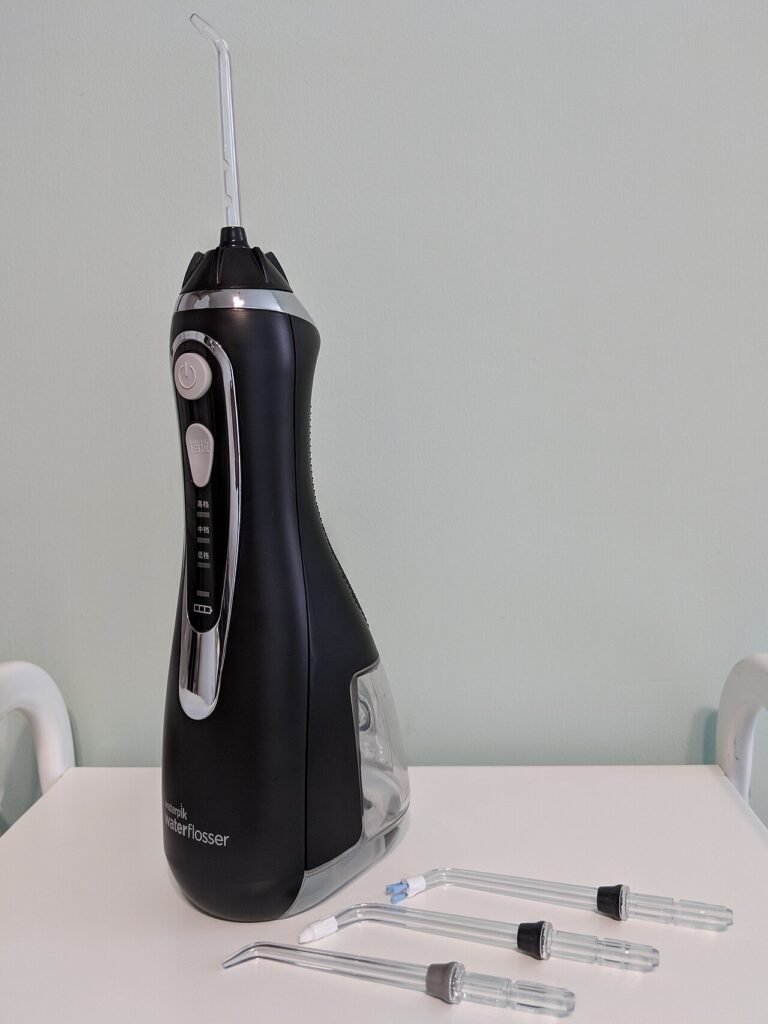
Photo: Hal 0005 / Wikimedia Commons (CC BY-SA 4.0)
Is Bleeding Normal When You Start Water Flossing?
Light bleeding during the first week or two is common, especially if your gums are already inflamed. It usually means plaque has been irritating the gums, not that the water flosser is causing damage.
As you clean daily, inflammation goes down and bleeding should gradually stop. Many people notice a clear improvement within two weeks.
However, see your dentist if:
- Bleeding continues after two weeks of daily use
- Bleeding is heavy or does not stop quickly
- Your gums are very swollen, painful, or pulling away from your teeth
- You notice loose teeth, pus, or persistent bad breath
- You bleed easily elsewhere, such as frequent nosebleeds or bruising
The Cleveland Clinic also notes that new, unexplained bleeding in someone who has flossed regularly for years may be a sign of a health issue unrelated to the mouth, so it is worth getting checked.
Best Tips for a Water Flosser for Sensitive Gums
The tip you choose changes how the water feels:
- Classic jet tip: Good for most sensitive gums on a low setting.
- Soft periodontal tip: Delivers a gentle stream into gum pockets. Use only if your dentist recommends it.
- Wide or multi-stream tip: Spreads the water over a larger area, which some people find gentler.
- Bristle tips: Best saved for later, once your gums are healthier.
See our full guide to water flosser tips for more details.
Other Ways to Soothe Sensitive Gums
A water flosser for sensitive gums works best as part of a gentle routine:
- Use a soft-bristled toothbrush. Hard bristles can wear down gums over time.
- Brush gently. Use small circles and light pressure, not hard scrubbing.
- Consider an electric toothbrush with a pressure sensor. It alerts you when you press too hard. See our guide to the best electric toothbrush for receding gums.
- Try a toothpaste for sensitivity. Products with potassium nitrate or stannous fluoride can help with tooth sensitivity.
- Avoid tobacco. Smoking and vaping reduce blood flow to the gums and slow healing.
- Eat a balanced diet. Include foods rich in vitamin C, such as citrus, berries, and peppers.
- Keep regular dental visits. Professional cleanings remove hardened tartar that home care cannot.
For broader prevention advice, read our guide on how to prevent gum disease.

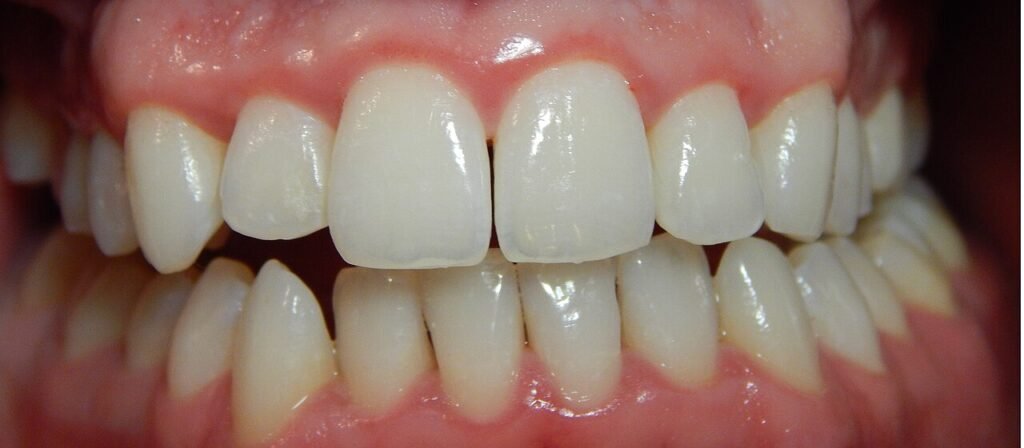
Photo: Onetimeuseaccount / Wikimedia Commons (CC0)
Water Flosser for Sensitive Gums in Special Situations
Receding Gums
Use the lowest setting and aim the stream along the gumline, not directly into exposed root surfaces. Exposed roots can be very sensitive to cold water and strong pressure.
Pregnancy
Hormone changes during pregnancy can make gums swollen and prone to bleeding, a condition often called pregnancy gingivitis. A gentle water flosser routine can help. Tell your dentist you are pregnant so they can tailor your care.
Braces
Braces can trap plaque and irritate gums. Start low and work up to a medium setting. Our guide on using a water flosser with braces covers this in detail.
After a Deep Cleaning
Gums can feel tender after scaling and root planing. Ask your dentist when to restart water flossing, and use the lowest setting for the first several days.
Countertop vs Cordless: Which Is Gentler?
Both types can work as a water flosser for sensitive gums. The difference is how much control you get.
| Factor | Countertop | Cordless |
|---|---|---|
| Number of settings | Usually about 10 | Usually 2 to 5 |
| Lowest pressure | Often very low | Varies by model |
| Fine adjustment | Excellent | Limited |
| Water capacity | Large, about 90 seconds | Small, may need a refill |
| Best for | Very tender gums, gum disease | Mildly sensitive gums, travel |
If your gums are very tender or you are recovering from gum disease, a countertop model gives you smaller steps between settings. If your sensitivity is mild, a cordless model with a soft mode is usually enough.
Tracking Your Progress
A simple log can show whether your routine is working. Each evening for the first two to three weeks, note:
- The pressure setting you used
- Whether you saw any bleeding (none, light, or moderate)
- How your gums felt (comfortable, tender, or sore)
Most people see bleeding drop from “light” to “none” within about two weeks of daily use. If your log shows no improvement after that, share it with your dentist. It gives them useful information about how your gums are responding.
What Your Dentist May Recommend
If your gums stay sensitive, your dentist or hygienist may suggest:
- A professional cleaning to remove tartar below the gumline
- A specific water flosser tip, such as a soft periodontal tip
- A prescription or therapeutic mouthwash for a short period
- Desensitizing treatments for exposed root surfaces
- More frequent cleanings, such as every three to four months
Bring your water flosser questions to your next visit. Your hygienist can watch your technique and adjust it if needed.
Common Mistakes to Avoid
- Starting on high pressure. This is the most common reason people give up.
- Using cold water. Lukewarm water is much more comfortable.
- Stopping because of early bleeding. Light bleeding often improves with daily use.
- Pointing the stream straight into the gum. Aim at the gumline at a 90-degree angle instead.
- Rushing. Take your time and pause between teeth.
- Skipping brushing. A water flosser supports brushing but does not replace it.
Frequently Asked Questions
Is a water flosser good for sensitive gums?
Yes. A water flosser for sensitive gums is often more comfortable than string floss because it uses water instead of friction, and you can adjust the pressure.
What setting should I use for sensitive gums?
Start on the lowest setting or a soft mode. Increase one level at a time over one to two weeks, stopping at the highest setting that still feels comfortable.
Why do my gums bleed when I use a water flosser?
Bleeding usually means your gums are inflamed from plaque. It often improves within one to two weeks of daily use. If it does not, see your dentist.
Can a water flosser make gum recession worse?
Used on a low setting and aimed at the gumline, a water flosser is unlikely to cause recession. Brushing too hard is a more common cause. Ask your dentist if you are concerned.
Can I add mouthwash to help sensitive gums?
Some brands allow diluted mouthwash. Alcohol-based mouthwash can sting tender gums, so choose an alcohol-free option and check your manual first. Read our guide on using mouthwash in a water flosser.
How long does it take for sensitive gums to improve?
Many people notice less bleeding and tenderness within two weeks of daily cleaning. Gum disease may take longer and needs professional care.
Conclusion
A water flosser for sensitive gums can make daily flossing comfortable enough to stick with. Start on the lowest setting with lukewarm water and a gentle tip, follow a two-week plan to build comfort, and expect some light bleeding at first. Combine it with gentle brushing and regular dental visits for the best results.
If bleeding or pain continues beyond two weeks, see your dentist. Ready to choose a model? Start with our guide to water flossers recommended by dentists or see our main guide to the best water flosser for braces.
Health note: This article is for general information only and is not medical advice. Talk to your dentist about persistent gum sensitivity, bleeding, or pain.


Hi, I’m Mamon, the content creator behind this blog. I share my experience in blogging, WordPress, SEO, and affiliate marketing through honest product reviews, in-depth buying guides, and practical how-to articles. Every piece of content is thoroughly researched and written to help readers make informed decisions.