



Clinical trial technology is the backbone of modern drug development. It spans everything from electronic data capture to artificial intelligence. Clinical trial technology has evolved dramatically over the past few years. What began as a shift toward remote monitoring during the pandemic has grown into something much bigger. It is now a full digital transformation of how trials are designed, run, and monitored. Here is where clinical trial technology stands heading into 2026, and where it is headed next.
What Is Clinical Trial Technology?
Clinical trial technology refers to the digital tools, software, and devices researchers use to plan, run, and monitor clinical trials. This includes electronic data capture systems and remote monitoring platforms. It also includes wearable sensors and the artificial intelligence models that now help identify eligible patients. For sponsors and research teams in the United States, adopting the right clinical trial technology matters a great deal. It can shorten timelines, reduce costs, and make trials accessible to more participants.
The sections below cover the biggest shifts in clinical trial technology heading into 2026. Each one draws on current FDA guidance and industry data.
Decentralized and Hybrid Clinical Trials
Trial sponsors moved quickly toward remote and hybrid models following the disruptions of the COVID-19 pandemic. Early in that shift, Tufts researchers found that 55% of ongoing trials had already moved some activities to patients’ homes. Those trials were monitored remotely through email, fax, or online portals. That early, improvised shift has since matured into a lasting part of how trials get designed.
The FDA’s framework for digital health technologies now recognizes wearable and remote sensors as valid data sources. Tools like actigraphy and contactless monitoring are included too. These tools let researchers collect trial data directly from participants at home. In September 2024, the FDA finalized its guidance on conducting clinical trials with decentralized elements. That guidance covers telehealth visits, visits with local healthcare providers, and in-home visits from remote trial personnel.
The same guidance requires sponsors to plan around participants who do not own the specified device or technology. Sponsors must offer alternative telecommunication options. That way, access to a smartphone or reliable internet is never the reason someone cannot join a study. Decentralized and hybrid trial design has become one of the most important pieces of clinical trial technology for exactly this reason. It removes barriers that used to keep willing participants away.

Artificial Intelligence and Machine Learning
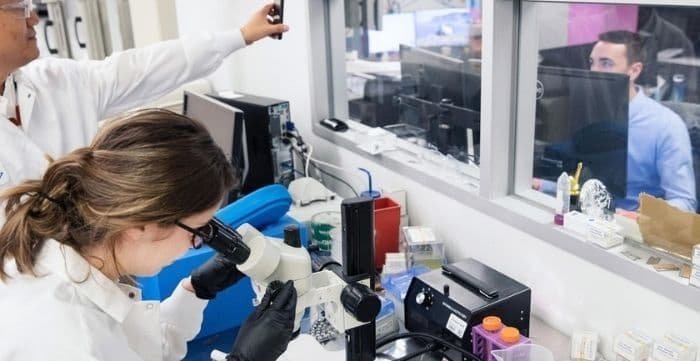
Artificial intelligence has moved from an experimental add-on to a core part of clinical trial technology. A 2025 market scan from the American Hospital Association found that roughly 80% of clinical development startups now use AI. They use it to automate work that once took research staff weeks to complete. Some platforms can identify protocol-eligible patients from health records up to three times faster than manual review. Accuracy rates on some of these tools run above 90%.
Study builds that used to take days can now be assembled in minutes with AI assistance. More than 40% of companies working in this space focus specifically on decentralized trial support or real-world evidence generation. That overlap shows how closely AI and remote trial design now work together. AI models are also being used to design adaptive trials. In an adaptive trial, researchers can adjust a protocol in real time based on the data coming in. They do not have to wait until the trial ends to learn what worked.
For patients, the practical effect is a faster path from screening to enrollment. For researchers, it means fewer resources spent on manual chart review. That leaves more time for the parts of a trial that actually require clinical judgment, not data entry.
AI is also changing how trial sites communicate with sponsors. Automated monitoring tools can flag data inconsistencies as soon as they appear, rather than waiting for a periodic audit weeks later. That earlier detection means problems get corrected while a trial is still running, not after enough bad data has accumulated to threaten the results. None of this replaces the researchers and clinicians running a study. It simply clears away the repetitive work that used to slow them down.
Personalized and Precision Medicine
Precision medicine was once a niche research goal. It has since become a standard part of how many trials get designed. Researchers can now map an individual patient’s genetics, or the genome of a tumor, in enough detail to develop drugs aimed at a specific genetic profile. That is a very different approach from targeting a broad diagnosis.
Precision medicine relies on data analysis to match patients with the treatments most likely to work for them. That matching draws on genetic and microbiome information rather than a one-size-fits-all approach. In short, it treats an individual with a disease, not a category of people who happen to share a diagnosis.
This approach is not without its challenges. Environmental factors and lifestyle differences can complicate how precision medicine trials get designed. Access to genetic testing varies widely too, and that affects who can realistically take part. Even so, the clinical trial technology supporting this work keeps making individualized treatment more achievable for a wider range of patients.
Biomarker-driven trial design is a good example of how far this has come. Rather than enrolling every patient with a given diagnosis, researchers can screen for a specific genetic marker first and only enroll patients likely to respond to the drug being tested. That narrower focus tends to produce clearer results with fewer participants, which can shorten the time it takes to reach a meaningful conclusion. It also means fewer patients are exposed to a treatment unlikely to help them in the first place.
Electronic Health Records and Real-World Data
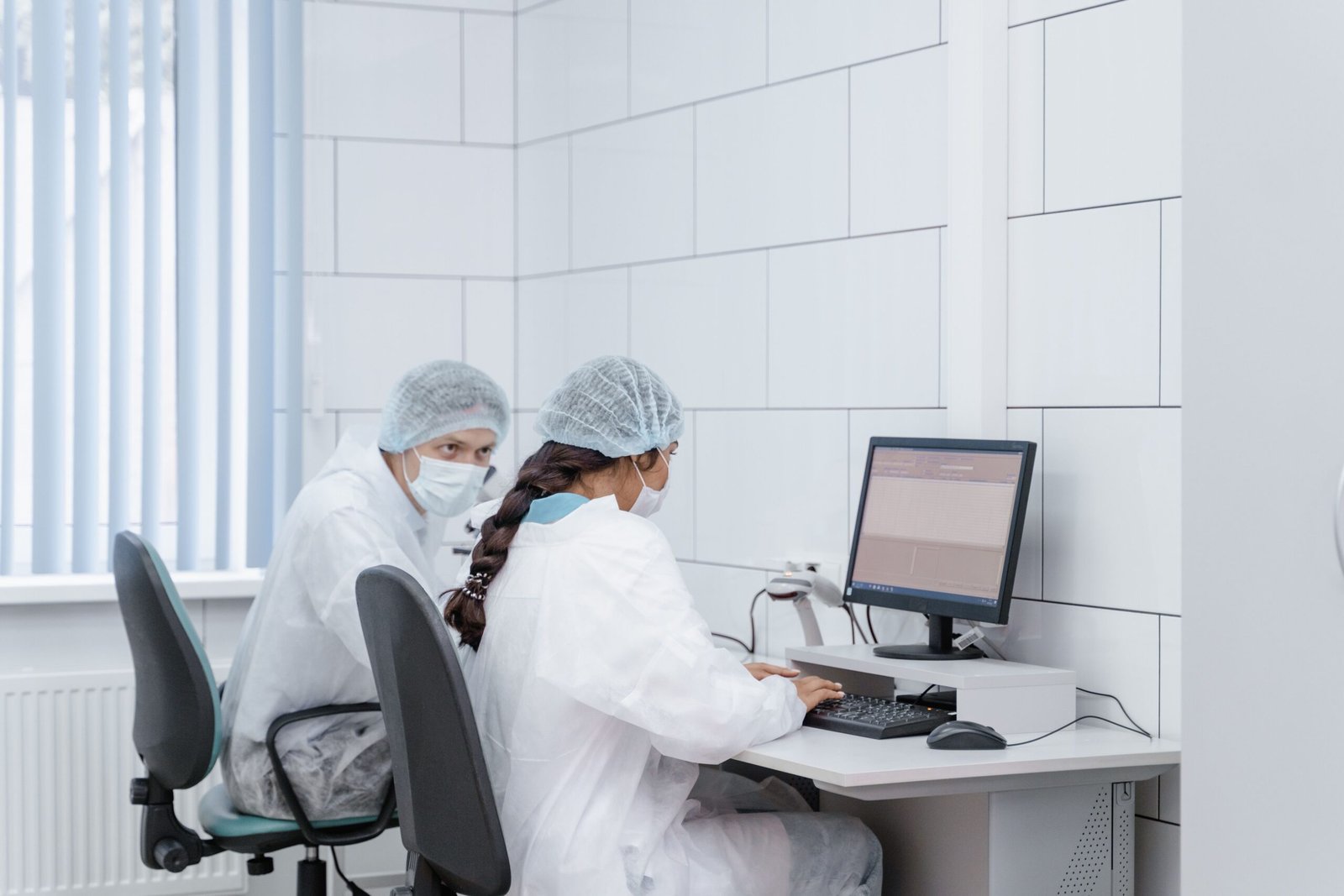

Electronic health records, or EHR, digitize a patient’s medical history so it can be accessed quickly and securely by authorized professionals. This paperless approach has become one of the most important pieces of clinical trial technology. It lets researchers manage patient details, track medical history, and generate reports without relying on paper charts.
EHR systems also feed into a bigger trend: the use of real-world data drawn from routine care to support clinical research. Researchers increasingly pull from the same records a patient’s own doctor already keeps, instead of relying only on data collected inside a trial. That approach can speed up recruitment. It can also reduce duplicate testing that would otherwise burden the participant.
Hospitals, pharmaceutical companies, and individual practices are all migrating toward digital records for these reasons. Building or adapting the software behind these systems is a specialized job in itself, with strict privacy and security requirements attached. Our guide on healthcare app development covers what goes into building compliant, secure health technology, whether for a hospital system or a clinical trial sponsor.
Wearable Technology and Digital Biomarkers
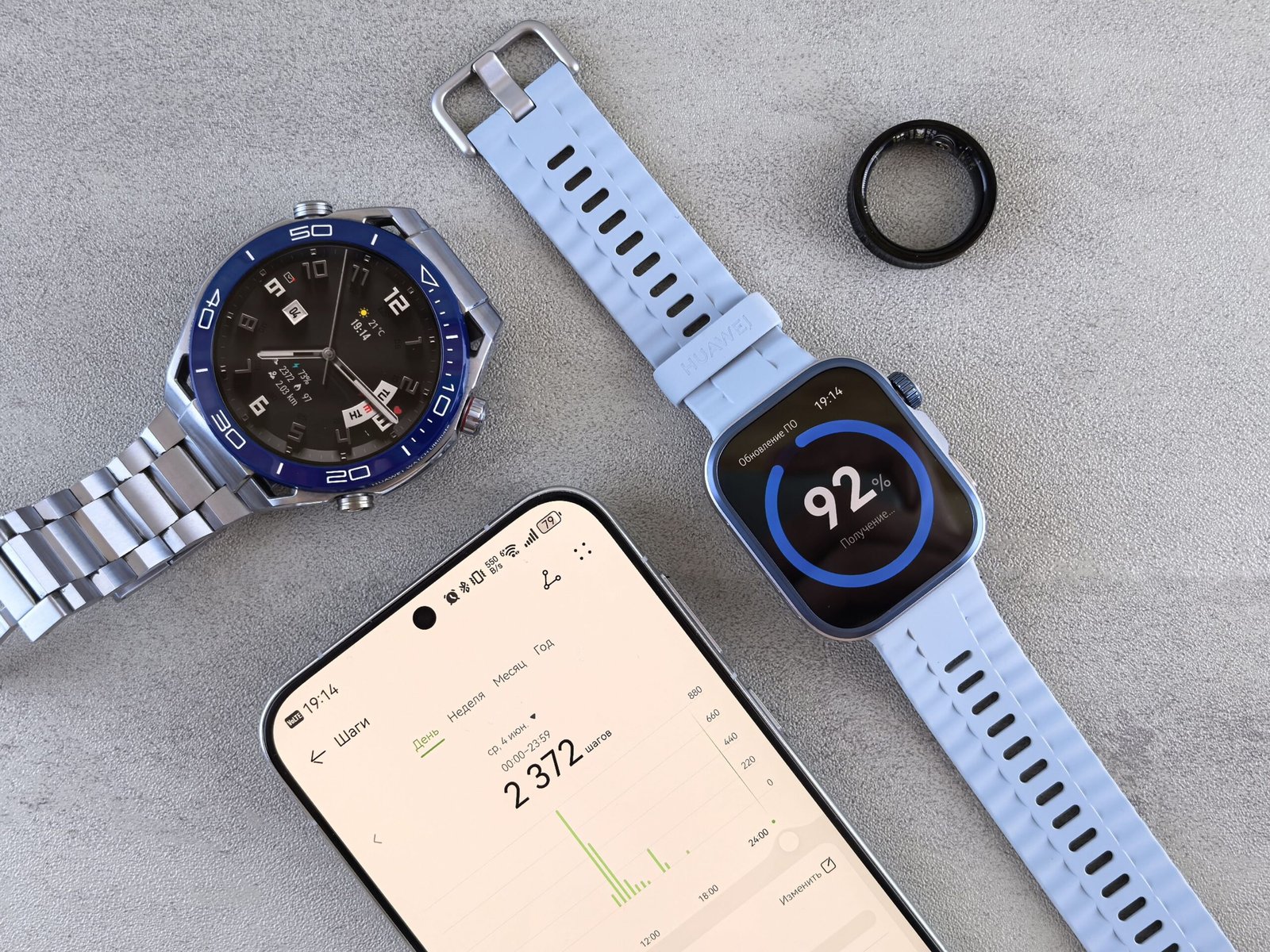
Wearable technology has moved well beyond simple step counting. Fitness trackers, smartwatches, and medical-grade sensors can now capture continuous data on heart rate, sleep, and movement. Together, this data forms what researchers call digital biomarkers. Unlike a single clinic visit, a wearable device can track how a patient is actually doing between appointments, day and night.
Research published in Nature Reviews Drug Discovery notes that wearable and sensor-based data collection in trials has grown substantially in recent years. Better sensor accuracy and easier integration with electronic systems are driving much of that growth. If you are curious how these consumer devices actually gather health data, our guides on accurate heart rate monitors and how fitness trackers measure blood pressure break down the underlying sensor technology.
For clinical trial technology specifically, wearables offer something a single office visit cannot. They provide continuous, real-time data collected in a participant’s normal environment. That is especially valuable for trials studying sleep disorders, cardiovascular conditions, and neurological disease, where symptoms can vary significantly from one day to the next.
The video below, from the National Cancer Institute, looks at where decentralized trial design and remote monitoring tools like these are headed next.

Improving the Patient Experience
Technology alone does not make a trial successful. Clinical trials depend on clear communication between patients, doctors, researchers, and the platforms connecting them. Gaps in that communication can slow enrollment and hurt data quality in ways that are hard to fix later.
According to Su Smith, Director at Origins Insights, understanding the authentic patient experience early in a clinical development plan matters. Doing so helps researchers demonstrate the real impact a drug can have on patients’ lives, not just the impact shown in trial data. Clear, plain-language communication about what a trial actually involves tends to improve both enrollment and retention.
Clinical researchers have responded by cutting jargon from participant materials. They are also being far more specific about what a trial will require day to day, rather than leaving participants to guess. Electronic consent tools, built directly into many clinical trial technology platforms, let participants review study details at their own pace. Participants can ask questions before enrolling instead of signing a stack of paper forms in a single sitting.

Data Security and Regulatory Compliance
More clinical trial technology now moves data collection outside the traditional clinic. That makes keeping the data secure and compliant just as important as collecting it in the first place. The FDA requires that decentralized trial technology and remote data collection systems comply with electronic records standards under 21 C.F.R. Part 11. That regulation governs how electronic signatures and records must be created, maintained, and audited.
Trial sponsors are also expected to keep detailed records of every technology vendor involved in a study. Each vendor’s exact responsibilities need to be documented too. Study teams must record the type, location, and date of every visit. They also need to note who conducted it, whether that visit happened in a clinic, a participant’s home, or over a telehealth call.
This layer of oversight is not just a regulatory checkbox to clear. Clinical trial technology has become more distributed, with data flowing in from apps, wearables, and local healthcare providers. Clear compliance standards are what keep that data trustworthy enough for the FDA to rely on when reviewing a new treatment.
What Comes Next for Clinical Trial Technology
Several of these trends are likely to accelerate rather than level off. Expect AI tools to take on more of the administrative burden in trial design, freeing research staff to focus on patient-facing work. Expect wearable sensors to keep shrinking in size while growing in the range of data they can capture accurately.
Interoperability between systems is likely to be the next major hurdle. A trial today might pull data from a hospital’s EHR, a participant’s smartwatch, and a separate eConsent platform, all of which need to work together smoothly. Sponsors that invest early in clinical trial technology built around open standards will likely have an easier time integrating whatever comes next.
Smaller research sites and community hospitals stand to benefit the most from these changes. Cloud-based clinical trial technology has lowered the upfront cost of participating in multi-site studies, which used to favor large academic medical centers with dedicated research staff. As more of the infrastructure moves to the cloud, a community clinic with a strong patient base can plug into a national trial network without building an entire research department from scratch. That shift could meaningfully expand who gets access to investigational treatments, not just who gets to run the trials studying them.
Conclusion
Clinical trial technology has come a long way from the paper-based systems of a decade ago. Decentralized trial design, artificial intelligence, wearable sensors, and stronger data security standards are all working together. Together, they make trials faster to run and easier for patients to join.
Research and development activity continues to grow across the United States and beyond. Clinical trial technology will keep evolving alongside it. The trends covered here are a good starting point for understanding where the field stands today. They also point toward a future where clinical trials fit more naturally into patients’ everyday lives, rather than requiring patients to reorganize their lives around a trial.


Hi, I’m Mamon, the content creator behind this blog. I share my experience in blogging, WordPress, SEO, and affiliate marketing through honest product reviews, in-depth buying guides, and practical how-to articles. Every piece of content is thoroughly researched and written to help readers make informed decisions.