

Waist trainers are great tools for shaping your body and supporting your fitness routine, but they only work well if you take care of them. Sweat, oils, and daily compression break down elastic fibers fast, and a garment that isn’t cleaned regularly can become a breeding ground for bacteria and lose its compression before its time. Learning how to wash a waist trainer the right way is what keeps it working well, smelling fresh, and fitting the way it did on day one.
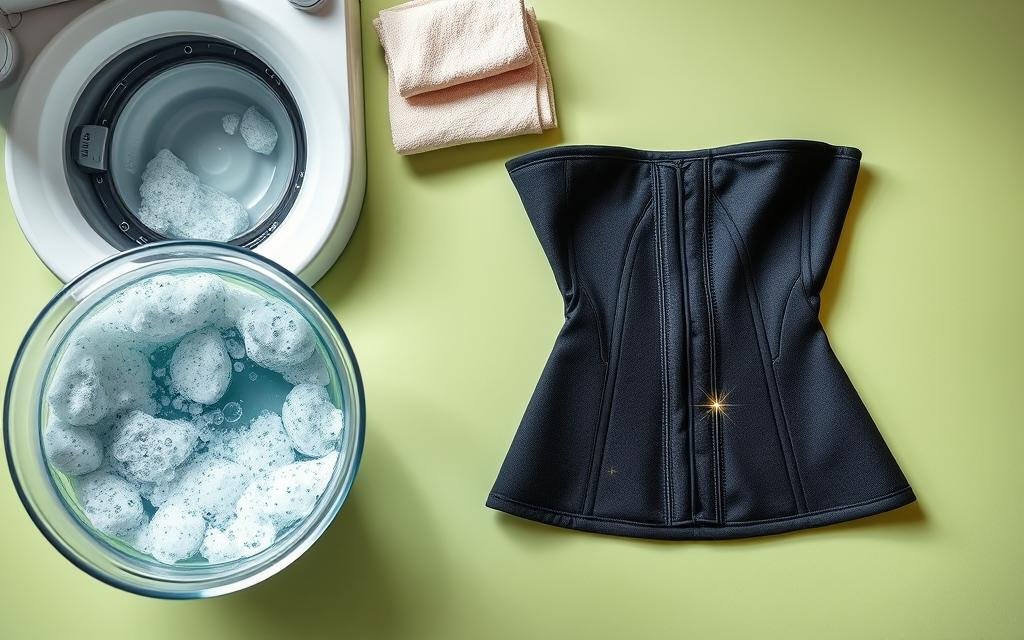

Key Takeaways
- Hand-washing is the safest, most recommended cleaning method for nearly every waist trainer material
- Plan to wash your waist trainer after every few wears, or more often if you sweat heavily
- Skip bleach and fabric softener, since both break down elastic fibers over time
- Always air dry away from direct heat or sunlight to protect elasticity
- Inspect your waist trainer regularly for stretching, thinning, or loss of compression
Understanding Your Waist Trainer’s Material and Care Requirements
Choosing the right plus size waist trainer means understanding its materials, since each one needs slightly different care to last. The fabric your waist trainer is made from affects how durable it is, how comfortable it feels, and how carefully you need to clean it.
Types of Waist Trainer Materials
Waist trainers are built from a handful of common materials, each with its own care needs:
- Latex: Firm compression, less breathable, and sensitive to heat
- Neoprene: Durable and flexible, but prone to trapping odor if not rinsed promptly
- Polyester blends: Lightweight and moisture-wicking, generally the easiest to care for
- Spandex/elastane: Provides the stretch and recovery that gives a waist trainer its shape, and the material most easily damaged by hot water or a dryer
Most waist trainers actually combine two or more of these materials. The outer shell might be a durable polyester blend, while the panels doing the real compression work are latex or spandex underneath. That combination is exactly why a one-size-fits-all care routine falls short: the most delicate material in the garment should always set the washing rules, not the sturdiest one.

Why Proper Cleaning is Essential
Learning how to wash a waist trainer correctly is about more than keeping it smelling fresh. Regular cleaning stops bacterial buildup, prevents odor, and protects the elastic fibers that give the garment its shape. Skipping cleaning, or washing it the wrong way, will shorten its lifespan considerably.
| Material | Washing Frequency | Recommended Care |
|---|---|---|
| Latex | 1-2 times per week | Hand wash in lukewarm water, air dry flat |
| Neoprene | After each workout | Rinse promptly, hand wash, gentle cycle only if needed |
| Polyester/Spandex Blend | Every 2-3 wears | Hand wash cold, air dry, avoid direct heat |
Common Cleaning Mistakes to Avoid
According to ACTIVE’s own care guide, hot water “can compromise the spandex material” in a waist trainer, which is why cool or lukewarm water matters so much during washing. When cleaning your waist trainer, steer clear of these common mistakes:
- Using hot water, which weakens elastic fibers
- Wringing or twisting the garment to remove water
- Drying with direct heat, a clothes dryer, or direct sunlight
- Using harsh detergents, bleach, or fabric softener
Understanding your waist trainer’s materials and how to care for them is what makes the difference between a garment that lasts months and one that lasts years.
How to Wash a Waist Trainer: Step-by-Step Guide


Hand washing is the method nearly every waist trainer brand and specialist recommends, and it only takes a few extra minutes compared to tossing a load in the machine.
Before you start, gather these items:
- A mild, spandex-safe detergent
- Cool or lukewarm water (never hot)
- A clean, absorbent towel
- A soft-bristled brush (optional, for stubborn spots)
Follow these steps for washing your waist trainer by hand:
- Fill a clean sink with cool or lukewarm water
- Add a small amount of gentle, spandex-safe detergent and swish to dissolve it
- Submerge the waist trainer completely and let it soak for 10-15 minutes
- Gently agitate the garment, focusing on areas with visible sweat or staining
- Rinse thoroughly with cool water until it runs clear and no soap remains
Here are some tips for handling common cleaning challenges:
| Cleaning Challenge | Recommended Solution |
|---|---|
| Stubborn Stains | Use a soft toothbrush with a small amount of mild soap |
| Sweat Buildup | Soak for 10-15 minutes before gently scrubbing |
| Odor Removal | Add a splash of white vinegar to the rinse water |
After washing, press the garment gently between two towels to remove excess water. Never wring or twist it, since that stresses the elastic fibers and can distort its shape. Lay it flat to dry, away from sunlight or any direct heat source.
Machine Washing vs. Hand Washing: What’s Best for Your Waist Trainer


Once you know how to wash a waist trainer by hand, the choice between hand washing and machine washing becomes a lot easier to make. Machine washing might seem more convenient, but it carries real risk for a compression garment.
Risks of Machine Washing Waist Trainers
Machine washing a waist trainer, especially a steel-boned corset-style trainer, carries genuine risk. As Timeless Trends explains in its own corset care guide, machine washing and tumble drying “will cause the steel boning in the corset to wear through the fabric in very short order.” Even boneless, softer waist trainers aren’t safe from machine agitation. It still risks:
- Damage to elastic fibers from repeated spinning and friction
- Loss of compression and shape over time
- Fabric tearing, stretching, or seam damage
Benefits of Hand Washing
Hand washing has clear advantages for your waist trainer:
- Gentler on delicate elastic and boning
- Full control over water temperature and agitation
- Better preservation of compression and shape
- A longer overall lifespan for the garment
When You Truly Need the Machine
If hand washing genuinely isn’t an option, a boneless waist trainer can sometimes tolerate a careful machine wash:
- Place it inside a mesh laundry bag for protection
- Select a gentle, cold-water cycle only
- Add a couple of towels to balance the load
- Remove it as soon as the cycle ends and lay it flat to air dry
This should stay an occasional backup, not a routine, since even a gentle cycle puts more stress on the fabric than washing by hand. Most specialists recommend hand washing a waist trainer several times a week during regular use, since staying ahead of sweat and oil buildup is what actually protects the garment’s shape.
If you’re still unsure how to wash a waist trainer safely when you’re short on time, the honest answer is simple: a quick hand rinse almost always beats a “convenient” trip through the washing machine. Even a two-minute soak and rinse after a sweaty workout protects the fabric more than letting sweat sit for days. Relying on a single machine cycle to undo days of buildup rarely works as well as people expect.
Maintaining Your Waist Trainer’s Shape and Elasticity

Knowing how to wash a waist trainer is only half the job. Storing it correctly between wears matters just as much for keeping its shape and elasticity intact.
To keep your waist trainer looking and performing its best, follow these storage tips:
- Store it flat, or hang it on a padded hanger rather than a clip-style one
- Avoid folding it tightly or creating sharp creases
- Keep it in a clean, dry place away from direct sunlight and heat
- Never store it while damp, since trapped moisture encourages bacterial growth
Environmental factors matter more than most people realize. Humidity, high heat, and direct sunlight all degrade elastic fibers over time. A waist trainer left in a hot car, a steamy bathroom, or a sunlit windowsill will lose its stretch far faster than one stored in a cool, dry drawer, even if it’s washed correctly every time. This is one more reason rotating between two or more waist trainers, rather than wearing and washing the same one constantly, helps each garment last longer. Giving the elastic fibers time to fully recover between wears matters more than most people realize.
| Storage Factor | Impact on Waist Trainer |
|---|---|
| Direct Sunlight | Weakens fabric and reduces elasticity over time |
| Humidity or Damp Storage | Promotes bacterial and odor growth |
| Folding or Creasing | Weakens seams and compression panels |
Watch for these signs that it’s time to replace your waist trainer:
- Noticeably reduced compression
- Visible wear, thinning, or fraying along seams
- Loss of its original shape even after washing
- Decreased comfort or support during normal wear
With consistent care, most waist trainers hold up well for several months of regular use, and some last considerably longer depending on the material and how often they’re worn. If you’re weighing whether a properly sized trainer is even worth this level of upkeep, our guide on the benefits of waist training covers what consistent, well-maintained use can actually offer.
Conclusion
Now that you know how to wash a waist trainer the right way, keeping yours in great shape comes down to a few consistent habits. Hand wash it regularly in cool water, skip the bleach and fabric softener, and air dry it away from heat and sunlight. Store it flat or on a padded hanger between wears rather than balled up in a drawer.
Proper care is about more than just washing. It means understanding your trainer’s specific material, cleaning it gently and consistently, and storing it thoughtfully. Whether you’re wearing latex, neoprene, or a classic steel-boned style, this kind of care is what keeps it performing the way it did when you bought it.
If you haven’t already found the right fit, check our guide on what size waist trainer you should get before you invest in extra care products for the wrong size. And if you’re curious whether a properly worn trainer helps with more than just silhouette, see whether waist training actually helps with bloating.
A little consistency goes a long way here. Wash it after every few wears, treat it gently, and store it with care, and your waist trainer will keep supporting your goals for a long time to come.
FAQs:
Q1: How often should I wash my waist trainer?
A: Wash your waist trainer after every 2-3 uses, or after every wear if you sweat heavily during workouts. Staying ahead of sweat and oil buildup is what keeps it hygienic and protects its lifespan.
Q2: Can I machine wash my waist trainer?
A: Hand washing is strongly preferred. Machine washing risks damaging elastic fibers and, for steel-boned styles, can wear through the fabric around the boning much faster than hand washing does.
Q3: What type of detergent should I use for cleaning my waist trainer?
A: Choose a mild detergent formulated for delicate or spandex fabrics. Avoid harsh chemicals, bleach, or strong cleaners, since they can break down the elastic fibers that give your waist trainer its compression.
Q4: How do I dry my waist trainer after washing?
A: Dry it at room temperature, away from sunlight or any direct heat source. Lay it flat or hang it to preserve its shape. Never use a clothes dryer, since high heat can permanently damage the elastic fibers.
Q5: How long will my waist trainer last with proper care?
A: With consistent hand washing and proper storage, most waist trainers hold up well for several months of regular use. Replace yours once it visibly stretches, thins, or loses compression.
Q6: Can I wear my waist trainer while it’s still damp?
A: No. Always let it dry completely before wearing it again. A damp waist trainer against your skin encourages bacterial growth, skin irritation, and unnecessary wear on the fabric.
Q7: What’s the best way to store my waist trainer?
A: Store it flat or on a padded hanger in a cool, dry place. Avoid folding it tightly or creasing it, since that stresses the seams and compression panels over time.
Q8: Are there different cleaning methods for different waist trainer materials?
A: Yes. Latex, neoprene, polyester, and spandex all respond differently to water temperature and detergents. When in doubt, follow the manufacturer’s specific care instructions for your garment.
Q9: Can I use fabric softener when washing my waist trainer?
A: No. Fabric softener coats and breaks down elastic fibers over time, which reduces your waist trainer’s compression and shortens its useful life.
Q10: What should I do if my waist trainer gets stained?
A: Treat stains as soon as possible with a gentle detergent and cool water, dabbing rather than rubbing the fabric. Letting a stain sit, or scrubbing aggressively, both make it harder to remove without damaging the material.


Hi, I’m Mamon, the content creator behind this blog. I share my experience in blogging, WordPress, SEO, and affiliate marketing through honest product reviews, in-depth buying guides, and practical how-to articles. Every piece of content is thoroughly researched and written to help readers make informed decisions.