

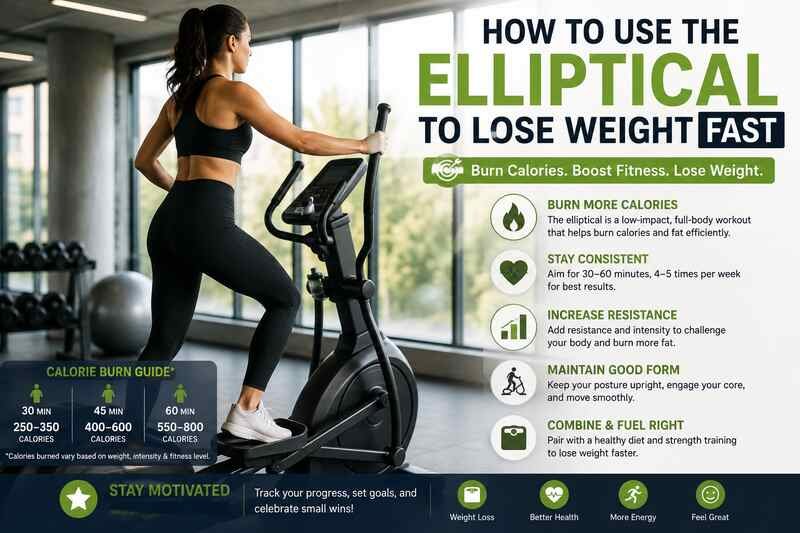

Buying an elliptical is only step one. Knowing how to use the elliptical to lose weight is what actually determines the outcome. It’s the difference between a machine that gathers dust and one that gets results. The elliptical is genuinely one of the more efficient calorie-burning machines available. It’s low-impact enough for daily use and demanding enough to build real fitness. The catch is that simply stepping on and pedaling at an easy pace won’t get you very far. This guide covers the specific habits that make the biggest difference in how much weight you actually lose. That includes intensity, form, and workout length.
Key Takeaways
- A 30-minute elliptical session burns roughly 250 to 400 calories for most adults, depending on weight and intensity.
- Interval training (alternating hard and easy segments) burns more total calories than a steady, moderate pace of the same length.
- Higher resistance, using the arm handles, and keeping your feet flat all increase how many muscles you engage per session.
- Weight loss ultimately comes down to a calorie deficit, so diet still matters as much as the workout itself.
- The CDC recommends at least 150 minutes of moderate-intensity aerobic activity per week. The elliptical can easily help you hit that target.
How Many Calories Can the Elliptical Actually Burn?
Before getting into technique, it helps to set realistic expectations. A 30-minute elliptical session burns roughly 250 to 400 calories for most adults. The exact number depends on body weight and effort level. Our full breakdown on how many calories you burn on an elliptical covers the numbers by weight in more detail. Heavier individuals and those working at a higher intensity land toward the top of that range. The habits below are what push your number toward the higher end instead of the lower one.
Do High-Intensity Interval Training (HIIT)
One of the most effective ways to lose weight on the elliptical is high-intensity interval training, or HIIT. Instead of one steady pace for the full session, HIIT alternates effort levels. Roughly one minute of intense effort is followed by one minute of easier recovery. That pattern pushes your heart rate higher than steady cardio does. It also burns more total calories in the same amount of time.
According to Cleveland Clinic’s breakdown of heart rate zones, lower-intensity zones rely more on stored fat as fuel. That range covers roughly 50% to 80% of your max heart rate. Higher-intensity zones above 80% shift toward burning glycogen and protein instead. That doesn’t make HIIT less useful for weight loss. HIIT still burns more total calories per minute. Your body also keeps burning extra calories for hours afterward as it recovers. For weight loss specifically, the total calorie deficit you create matters most. Which fuel source you burned during the workout itself matters far less.

Play With the Resistance Level
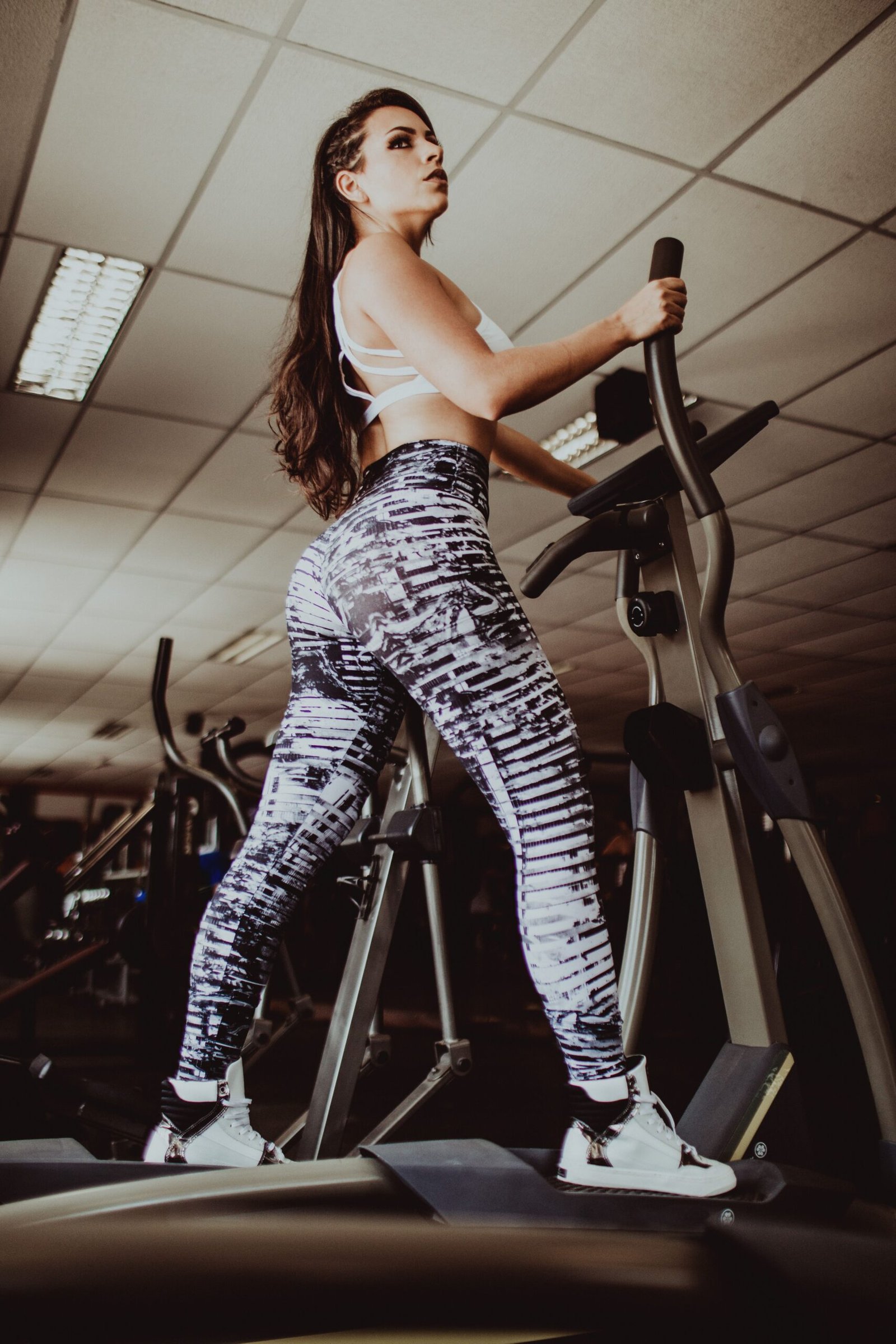
Another effective way to lose weight on the elliptical is adjusting the resistance level rather than just pedaling faster. Higher resistance forces your muscles to work harder with every stride. That extra muscle engagement burns more energy and helps build the strength that supports a higher metabolism over time. If your machine feels too easy even at a brisk pace, raise the resistance. Speed alone isn’t usually the setting to change.
Watch: 30-Minute Elliptical HIIT Workout
This video walks through a full interval-style elliptical session you can follow along with at home.

Pay Attention to Your Feet
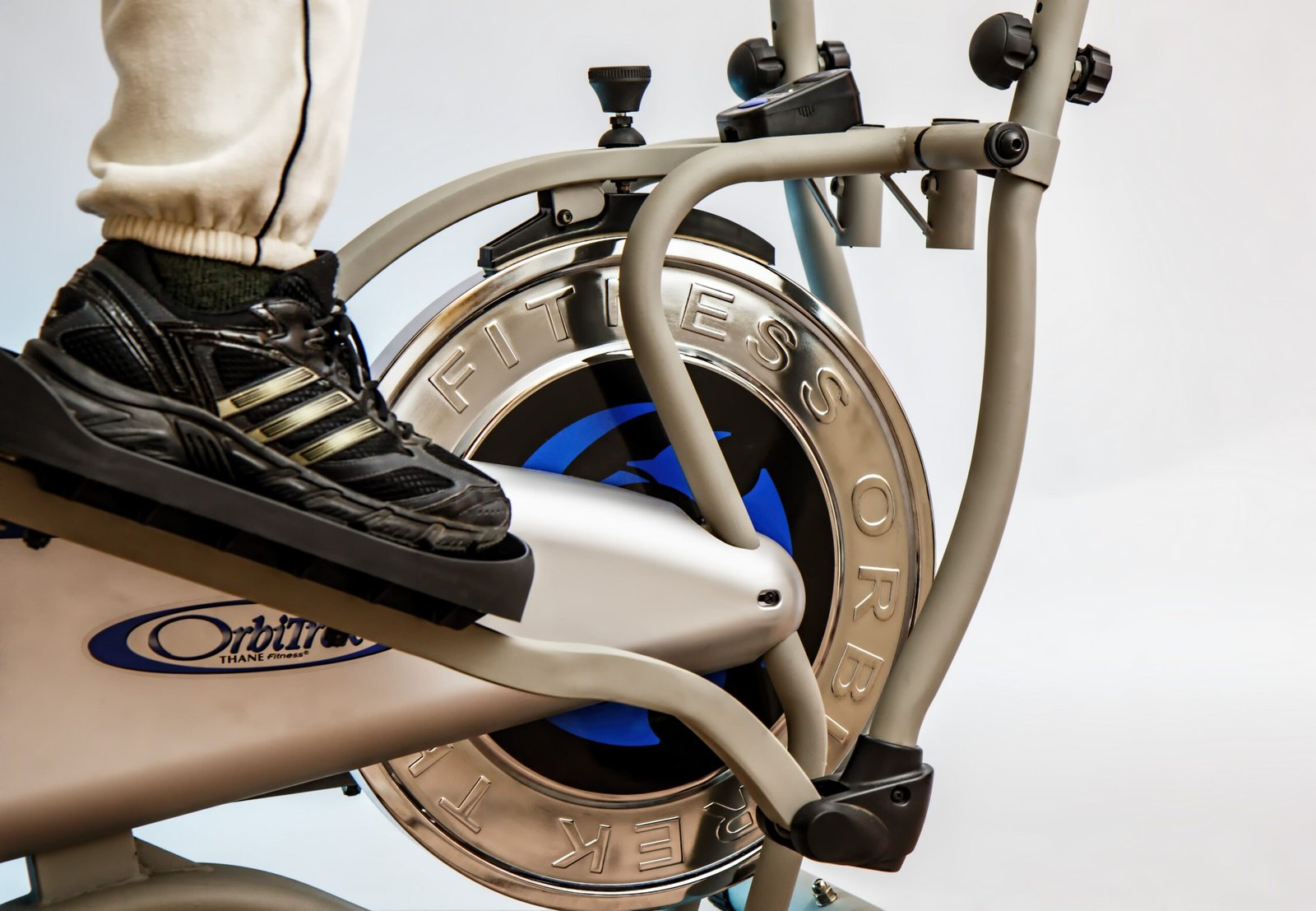
This is a detail most people overlook when they’re learning how to use the elliptical to lose weight. Pushing through your toes and letting your heels lift off the pedals is a common habit. It quietly reduces the number of muscles you engage. Keeping your feet flat throughout each stride activates your entire foot, including your heels. That recruits more muscle in your legs and core. More engaged muscle generally means more calories burned per session.

Increase the Length and Frequency of Your Workouts
Losing weight comes down to burning more calories than you consume. If you’re just starting out and can only manage 10 minutes, treat that as a starting point, not a ceiling. Gradually work toward longer sessions as your endurance improves. The CDC recommends at least 150 minutes of moderate-intensity aerobic activity per week for adults. Spread across five 30-minute elliptical sessions, that target is entirely reachable. Increasing your frequency tends to produce the most consistent weight loss results over time. That matters more than the length of any single workout.
Swing Your Arms
Holding the handlebars and actually moving your arms adds a meaningful amount of upper-body engagement to your session. Resting on them instead skips that benefit entirely. Pulling your arms against the handles recruits your shoulders, chest, and back along with your legs. Using the handlebar purely for balance leaves a real chunk of potential calorie burn on the table. Actively pushing and pulling closes that gap. It’s a small adjustment with an outsized effect on your total workout.
Alternate Forward and Backward Sessions
Most people default to forward-moving strides and never try anything else. Backward sessions target a different set of muscles. They also tend to make the workout feel noticeably more intense at the same pace. That added intensity translates into more calories burned. Backward movement takes some getting used to, though, so start at a slower pace and lower resistance before building up. Once you’re comfortable, alternate a few minutes of backward pedaling into your regular routine. It adds variety along with extra calorie burn.
Track Your Heart Rate for Real Feedback
Pace alone doesn’t tell you much about actual effort. That’s especially true as your fitness improves and the same speed starts to feel easier. A heart rate monitor gives you a more accurate read on intensity than the console display alone. Our guide on accurate heart rate monitors can help you find a reliable option. Checking in periodically during your session helps you confirm you’re actually working in the intensity zone you’re aiming for. That beats guessing based on how tired you feel.
Common Mistakes That Slow Down Elliptical Weight Loss
A few habits quietly undercut results even when someone thinks they’re training hard. Leaning heavily on the stationary handrails takes weight off your legs and lowers your effective intensity. The console may still show a respectable calorie count anyway. Sticking to the exact same pace and resistance every single session is another common one. Your body adapts quickly. A routine that felt challenging in week one can turn into a low-effort habit by week four without you even noticing. Skipping warm-ups and cool-downs won’t tank your results directly. It does raise your risk of an injury that sidelines you for weeks, though. Anyone serious about learning how to use the elliptical to lose weight should treat these small habits seriously. They matter as much as the bigger ones like intensity and resistance.
The Elliptical Alone Won’t Do It, Diet Still Matters
Even the most disciplined elliptical routine can’t outrun a calorie surplus from food. Weight loss requires burning more calories than you take in. It’s easy to eat back an entire workout’s worth of calories in a single snack. That’s not a reason to skip the workout. Consistent elliptical sessions build the calorie deficit and improve your cardiovascular fitness. They also make it easier to stick with a routine long term. Just pair the machine with reasonable portion sizes and a generally balanced diet. Don’t expect the elliptical to compensate for eating however you want.
How Long Until You See Results?
Patience matters here as much as effort. Most people who commit to a consistent routine notice small changes within three to four weeks, like clothes fitting a bit looser. More visible results usually take eight to twelve weeks of steady effort. That timeline holds for most healthy adults. It varies, though, with starting fitness level, diet, and how consistently the habits above actually get applied. The people who see the fastest results tend to treat this as a long-term routine. They don’t treat it like a short sprint. If you’re still asking how to use the elliptical to lose weight after a few weeks with no visible change, look at your diet first. The workout itself is probably not the problem.
Related Elliptical Guides
For the full calorie breakdown by body weight, see our guide on how many calories you burn on an elliptical. If you’re shopping for a machine, our roundup of the best ellipticals under $500 is a good place to start. It covers pacing in more detail.
Frequently Asked Questions
How long does it take to see results learning how to use the elliptical to lose weight?
Most people notice small changes within 3 to 4 weeks of consistent sessions, with more visible results after 8 to 12 weeks. Consistency matters more than any single workout.
Is HIIT necessary, or does steady cardio work too?
Steady cardio works and burns real calories. HIIT tends to burn more per minute and adds an afterburn effect. That makes it a more time-efficient option if you’re short on time.
How many days a week should I use the elliptical to lose weight?
Four to five sessions a week, at 30 minutes each, comfortably meets the CDC’s 150-minute weekly recommendation. That pace also supports steady weight loss.
Does resistance level matter more than speed for weight loss?
Both matter. Resistance builds strength and raises effort per stride, while speed raises your heart rate. A combination of the two tends to work best.
Can I lose belly fat specifically using the elliptical?
Spot reduction isn’t possible on any cardio machine. Consistent elliptical use supports overall fat loss, which eventually includes fat around the midsection as your total body fat decreases.
Should beginners start with HIIT right away?
No. Build a base of steady, moderate sessions first. Add short intervals once you’re comfortable with the machine and your general fitness level.
What’s the best way to learn how to use the elliptical to lose weight without a trainer?
Start with the fundamentals: flat feet, engaged arms, moderate resistance, and a consistent schedule. Add intervals and longer sessions gradually as those habits become second nature.
Is 20 minutes on the elliptical enough to lose weight?
It can contribute to a calorie deficit. But 30 minutes or more per session generally produces better results, especially when combined with higher intensity or resistance.
Bottom Line
Learning how to use the elliptical to lose weight comes down to a handful of habits. Mix in HIIT, raise the resistance, and keep your feet flat. Swing your arms, and gradually increase how often and how long you train. None of these changes require a different machine, just a more intentional approach to the one you already have. Pair that routine with a reasonable diet. The elliptical then becomes one of the more sustainable ways to build a lasting calorie deficit.


Hi, I’m Mamon, the content creator behind this blog. I share my experience in blogging, WordPress, SEO, and affiliate marketing through honest product reviews, in-depth buying guides, and practical how-to articles. Every piece of content is thoroughly researched and written to help readers make informed decisions.