

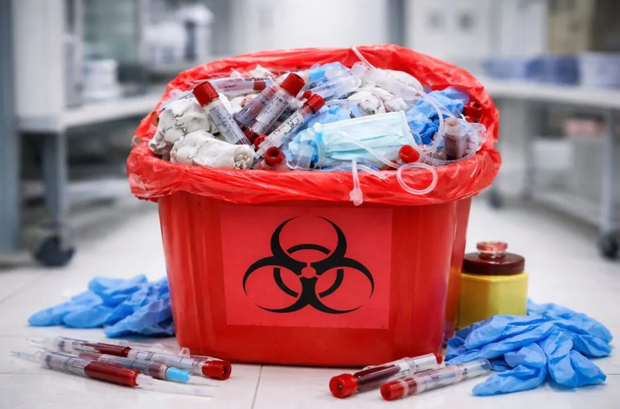

Proper handling and disposal of dangerous materials is a critical part of protecting both human health and the environment. Industries, healthcare facilities, and laboratories all generate waste that cannot be treated like regular trash. This is where hazardous waste management becomes essential, ensuring that toxic, chemical, and potentially harmful materials are handled safely and in compliance with regulations.
Without proper systems in place, hazardous waste can contaminate soil, water, and air, creating long-term environmental damage. It can also pose serious risks to workers and surrounding communities, making structured management processes extremely important.
Understanding Hazardous Waste
Hazardous waste refers to materials that are harmful or potentially harmful due to their chemical, biological, or physical properties. These wastes may be flammable, corrosive, reactive, or toxic.
Common examples include industrial chemicals, solvents, pesticides, medical by-products, and contaminated materials. Effective hazardous waste management ensures that each type of waste is identified, classified, and treated according to its risk level before disposal.
Proper classification is the first step in ensuring safe handling and reducing environmental impact.
Importance of Proper Waste Handling
The importance of safe waste handling goes beyond regulatory compliance. It directly affects environmental protection, public health, and workplace safety. Improper disposal can lead to contamination of groundwater, release of toxic gases, and exposure to harmful substances.
A structured hazardous waste management system reduces these risks by ensuring that waste is stored, transported, and treated using approved methods. It also helps organizations avoid legal penalties and maintain operational safety standards.
Key Steps in Waste Management
Hazardous waste management involves several critical steps, each designed to minimize risk and ensure safety.
The first step is waste identification, where materials are analyzed to determine their hazard level. Next is segregation, which involves separating hazardous waste from non-hazardous materials to prevent contamination.
After segregation, proper storage is required using labeled and secure containers. Transportation follows strict guidelines to ensure safe movement to treatment or disposal facilities. Finally, treatment methods such as chemical neutralization, incineration, or recycling are used depending on the waste type.
Each step in waste management is carefully regulated to ensure safety and environmental protection.
Regulatory Compliance and Safety Standards
Governments and environmental agencies have established strict regulations for handling hazardous waste. These regulations define how waste should be classified, stored, transported, and disposed of.
Organizations must follow these rules to avoid penalties and ensure safe operations. Compliance also involves maintaining proper documentation and training employees to handle waste safely.
Following standardized waste management procedures helps organizations maintain accountability and reduce environmental risks.
Challenges in Waste Management Systems
Despite technological advancements, waste management still faces several challenges. One of the main issues is the high cost of treatment and disposal, which can be particularly burdensome for certain industries.
Another challenge is proper training, as handling hazardous materials requires specialized knowledge and awareness. Inadequate training can lead to accidents and improper disposal practices.
Logistical issues in transportation and storage also add complexity, especially when dealing with large volumes or highly toxic materials.
Role of Technology in Modern Waste Management
Technology has significantly improved the efficiency and safety of waste management systems. Advanced tracking systems help monitor waste from generation to disposal, ensuring transparency and compliance.
Innovative treatment methods are also being developed to reduce environmental impact and improve efficiency. Automation and data tracking have made waste management more reliable and easier to regulate.
Environmental Impact and Responsibility
Proper waste management plays a key role in protecting ecosystems and reducing pollution. When hazardous materials are handled correctly, they are less likely to enter natural water sources or soil systems.
Organizations that prioritize responsible disposal contribute to long-term environmental sustainability and public safety. This responsibility is shared across industries, governments, and waste management providers.
Conclusion
Safe and structured handling of dangerous materials is essential for protecting both people and the environment. For example, compliance-focused systems such as medical waste disposal in Virginia highlight the importance of regulated and professional waste handling practices. In many cases, specialized services are required to manage complex waste streams, especially in healthcare and industrial sectors. Effective waste management ensures that toxic substances are properly identified, treated, and disposed of according to safety standards.


Hi, I’m Mamon, the content creator behind this blog. I share my experience in blogging, WordPress, SEO, and affiliate marketing through honest product reviews, in-depth buying guides, and practical how-to articles. Every piece of content is thoroughly researched and written to help readers make informed decisions.