

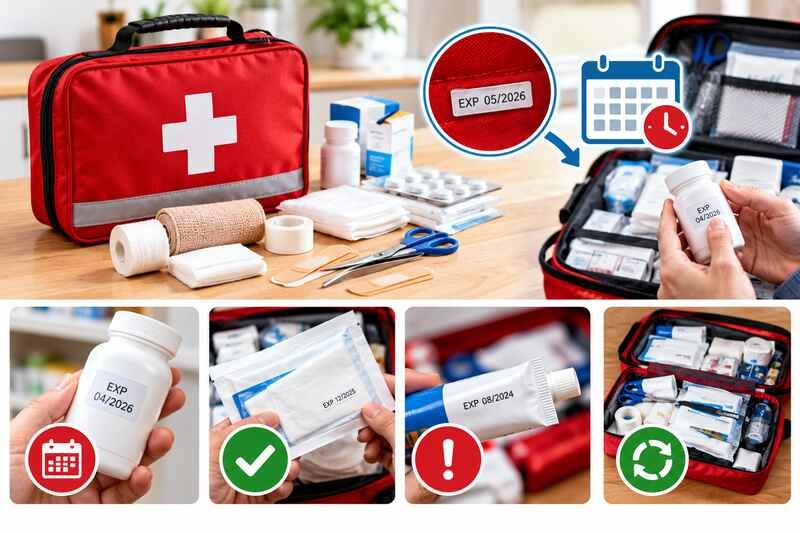

When you think about emergency preparedness, your first aid kit might seem like a timeless safety resource. But do first aid kits expire? The answer might surprise you. While these essential emergency supplies are critical for handling unexpected injuries, they don’t remain effective indefinitely.
First aid kit expiration dates are more important than most people realize. Different components within your kit have varying shelf lives. Understanding those timelines can make a real difference in how well you’re able to respond when something actually happens.
The American Red Cross confirms it directly: “while first aid kit contents may last a long time, they should be replaced, and some contents are date sensitive.” From adhesive bandages losing their stickiness to medications decreasing in potency, an outdated first aid kit could compromise your ability to provide proper care during an emergency. That’s the real-world consequence behind a fine-print question that’s easy to overlook.
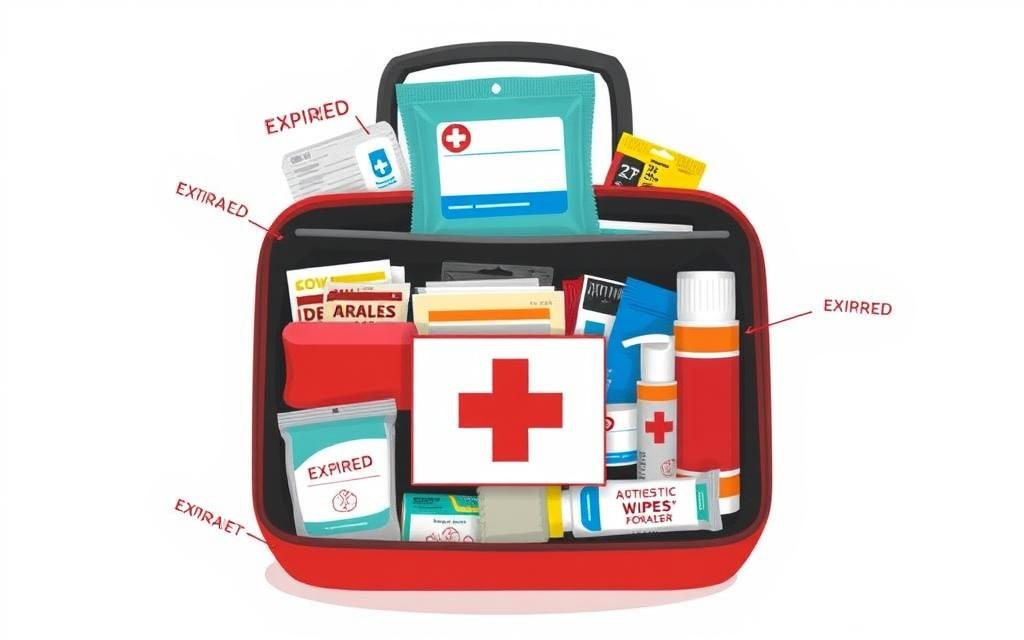

Key Takeaways
- First aid kits typically have a usable shelf life of three to five years, though individual items vary widely
- Adhesive tape, gauze bandages, gloves, scissors, and tweezers can last up to five years
- Alcohol wipes and antibiotic ointment typically last around two years
- The Red Cross recommends reviewing your kit annually and replacing anything expired immediately
- Proper storage in a cool, dry place can help extend the usable life of first aid supplies
Understanding First Aid Kit Components and Their Shelf Life
A general first aid kit is a vital safety tool that needs regular checks. Knowing how long first aid items last is crucial for being ready in emergencies.

First aid kits pack together items meant for very different jobs, from stopping bleeding to disinfecting a scrape. Each one wears out at its own pace. Knowing those timelines matters. So does keeping your kit stored the right way. Together, that’s what makes it actually useful the moment you need it.
Common Items in First Aid Kits
- Adhesive bandages
- Alcohol wipes
- Roller bandages
- Gauze pads
- Instant cold packs
- Personal protective equipment
- Scissors and tweezers
Factors Affecting First Aid Supply Longevity
Several things affect how long first aid items actually last in practice, not just on paper. Storage conditions, packaging integrity, and exposure to the environment all play a role. Heat, humidity, and direct sunlight can degrade supplies well before their printed expiration date.
| Item | Average Shelf Life | Storage Recommendations |
|---|---|---|
| Alcohol Wipes | 2 years | Cool, dry place |
| Hand Sanitizer | 4-5 years | Sealed container |
| Antibiotic Ointment | 2 years | Away from direct light |
| Eyewash | 3 years | Sealed, room temperature |
Critical Components That Require Regular Checks
It’s worth checking your first aid kit at least once a year. Look for expired medications, damaged packaging, and items that have visibly degraded. The FDA has been direct about the risk here. Expired medical products “can be less effective or risky due to a change in chemical composition or a decrease in strength.” Sub-potent antibiotics specifically “can fail to treat infections, leading to more serious illnesses and antibiotic resistance.”
That distinction matters for anyone still wondering whether do first aid kits expire in a way that actually affects safety, not just usefulness. A degraded bandage is an inconvenience. A weakened antibiotic ointment on an infected wound is a genuine risk.
A well-maintained first aid kit can genuinely be the difference between an effective response and an ineffective one in an emergency. Knowing how long first aid items last is only half the equation. Actually checking on that schedule is what keeps a kit trustworthy instead of just present.
Do First Aid Kits Expire? Key Facts About Expiration Dates


So, do first aid kits expire in a way that actually matters, or is it just fine print? Most supplies in a first aid kit do have a genuinely limited shelf life. The American Red Cross is clear that this isn’t just a technicality.
Looking at first aid kit expiration dates shows that each item has its own timeline. Here’s what the Red Cross guidance actually says:
- Adhesive tape, gauze bandages, sterile gauze pads, latex gloves, scissors, tweezers, and instant cold packs can last up to 5 years
- Adhesive products can lose stickiness well before their printed date
- Medications may lose most of their potency after expiration
- Burn ointment typically lasts only 1 to 2 years, shorter than many other kit items
Several factors affect how long a first aid kit stays usable. These include where you store it, how well it’s packaged, and what it’s made of. Sunlight, extreme temperatures, and humidity can all make supplies degrade faster than the label suggests.
| Item Type | Typical Shelf Life | Key Considerations |
|---|---|---|
| Bandages, Gauze, Gloves | Up to 5 years | Check packaging for intact sterility |
| Medications | 1-3 years | Potency decreases well before expiration in some cases |
| Alcohol Wipes | 2 years | Can dry out or become contaminated |
| Burn Ointment | 1-2 years | Shorter shelf life than most other kit items |
The Red Cross recommends reviewing your kit annually and replacing anything expired right away. Even expired items might offer some minor benefit in a true emergency. But you can’t count on them fully. That uncertainty is exactly what you don’t want when something urgent is happening.
So here’s the honest answer to do first aid kits expire: it isn’t really a yes-or-no question. Every item inside the kit runs on its own clock. Checking your kit on a regular schedule is what keeps the whole thing dependable, rather than just hoping everything inside still works.
Home Kits vs. Workplace Kits: Different Standards
Not every first aid kit follows the same inspection schedule, and the difference comes down to where the kit lives. For a kit in your home, the Red Cross’s annual-review recommendation is a reasonable baseline. Workplace kits are held to a stricter standard.
Federal OSHA regulation 29 CFR 1910.151 requires that adequate first aid supplies be readily available. It doesn’t set one universal inspection interval, though, leaving specifics to individual workplace conditions. The ANSI/ISEA Z308.1-2021 standard, which many employers use to meet that requirement, is far more specific. It recommends workplace first aid kits be inspected at least monthly, and again immediately after any incident where supplies were used. High-use or hazardous workplaces are often advised to check even more frequently than that.
That’s a real gap between “check it every year” and “check it every month.” If you keep a kit at work or in a vehicle used daily, it’s worth adopting the more frequent workplace-style schedule. The home-kit annual minimum simply wasn’t designed for that level of use.
This distinction also answers a version of do first aid kits expire that a lot of people don’t think to ask. Does a kit expire faster just from being used more? In practice, yes. A kit that gets opened weekly for minor cuts and scrapes burns through supplies fast. It also exposes the remaining contents to air, moisture, and handling far more than one that sits untouched in a hallway closet. Frequency of use is its own factor, separate from the calendar.
How to Maintain Your First Aid Kit’s Effectiveness
Keeping your first aid kit in good shape is vital for being ready for emergencies. A well-kept kit can make a real difference in how well you’re able to help when it counts.
Proper Storage Guidelines
Storing your first aid supplies correctly is key to keeping your kit in good condition. A few storage habits matter more than people expect:
- Keep the kit in a cool, dry place away from direct sunlight
- Avoid storing near heat sources or humidity
- Protect supplies from extreme temperature swings
- Use a waterproof container to prevent moisture damage


Regular Inspection Protocols
Regularly checking your first aid kit is what keeps it effective and ready rather than just familiar. At home, once a year is the accepted baseline; some items are worth checking more often than that.
| Item Type | Typical Shelf Life | Suggested Inspection Frequency |
|---|---|---|
| Adhesive Bandages | Up to 5 years | Annually |
| Antibiotic Ointment | 2 years | Every 6 months |
| Alcohol Wipes | 2 years | Annually |
| Hand Sanitizer | 4-5 years | Every 2 years |
Documentation and Record Keeping
Tracking your first aid kit’s contents makes maintenance far less of a guessing game. A simple log of expiration dates and replacement history helps here. It means you’re never caught off guard by an item that quietly expired months ago.
- Date each inspection
- List all replaced items
- Note upcoming expiration dates
- Keep a digital or physical inventory
This kind of record keeping matters more for workplace kits, where ANSI/ISEA guidance assumes monthly checks. But even a simple sticky note with the date of your last home review goes a long way. It’s a small habit that makes sure your first aid kit is genuinely ready when you need it most, not just assumed to be.
Replacing and Updating First Aid Supplies

Keeping your first aid kit up to date matters for real safety reasons, not just tidiness. Replacing an aging kit means checking it carefully and doing so on a regular schedule. Different items carry different shelf lives. That directly affects how much you can rely on them in an emergency. It’s part of why a blanket “replace everything every three years” rule misses the point.
The FDA’s own guidance on expired medicine is blunt about this. “Once the expiration date has passed there is no guarantee that the medicine will be safe and effective.” That applies just as much to the ointments and sprays in your first aid kit as it does to prescription medication in your cabinet. It’s also why asking do first aid kits expire is really a question about individual ingredients and formulations, not a single bottle-wide answer.
Here are signs that first aid products have expired or gone bad, even before checking the printed date:
- Discolored or damaged packaging
- Unusual odors or changes in texture
- Compromised seal or container integrity
- Past printed expiration dates
Knowing how long first aid items last helps you plan replacements before you actually need them, not in the middle of an emergency:
| Supply | Typical Shelf Life |
|---|---|
| Alcohol Wipes | 2 years |
| Antibiotic Ointment | 2 years |
| Hand Sanitizer | 4-5 years |
| Eyewash | 3 years |
The Red Cross’s guidance is simple: when in doubt, defer to the expiration date printed on each individual component rather than assuming the whole kit is still good. Build a plan to track when items expire. Replace them before they lose effectiveness, and dispose of old medical items safely rather than tossing them in regular trash.
If you’re due for a full replacement rather than a partial restock, take a look at our first responder first aid kit buyer’s guide. It compares several well-stocked options.
Where to Store a Backup Kit
One habit that helps with all of this: keep more than one kit. A single first aid kit stored in a hallway closet does nothing for you if you’re injured in the car, at work, or on a hike. Many households keep a small kit in each vehicle, a larger one at home, and a compact version for travel or outdoor activity. Each of those kits ages differently depending on temperature exposure. A car kit left in summer heat deserves more frequent checks than one stored indoors year-round.
Conclusion
So, do first aid kits expire? Yes, in every meaningful sense. Individual components inside a first aid kit each carry their own shelf life, from two-year alcohol wipes to five-year gauze pads. Pretending the whole kit is timeless is exactly how you end up reaching for something that’s quietly stopped working.
A well-stocked, current kit can make a real difference in how quickly you’re able to help someone, including yourself, in an emergency. The Red Cross’s advice is worth repeating: review your kit at least annually, and defer to printed expiration dates when in doubt. Replace anything questionable right away rather than hoping it still works.
Being proactive about your first aid kit doesn’t take much. Check what you have, and note how long it’s good for. Get rid of expired items the right way instead of letting them sit. A few minutes of maintenance now is a small trade for a kit you can actually trust later.
Start taking care of your first aid kit today. Know what’s in it, know how long it lasts, and make checking it a habit rather than an afterthought. Your future self will thank you for being prepared.


Hi, I’m Mamon, the content creator behind this blog. I share my experience in blogging, WordPress, SEO, and affiliate marketing through honest product reviews, in-depth buying guides, and practical how-to articles. Every piece of content is thoroughly researched and written to help readers make informed decisions.