



This page may contain affiliate links. If you buy something from the links on this page, I may earn a small commission at no extra cost to you. Learn more.
Tea is the most consumed beverage in the world after water, and green tea has earned a reputation as one of the healthiest ways to drink it. Made from unfermented Camellia sinensis leaves, green tea is naturally calorie-free, sugar-free, and rich in antioxidant compounds called catechins — one of which, EGCG (epigallocatechin gallate), is behind most of the effects researchers have studied.
Below are nine benefits of green tea for men that are backed by published research, along with practical guidance on how much to drink and who should be cautious.
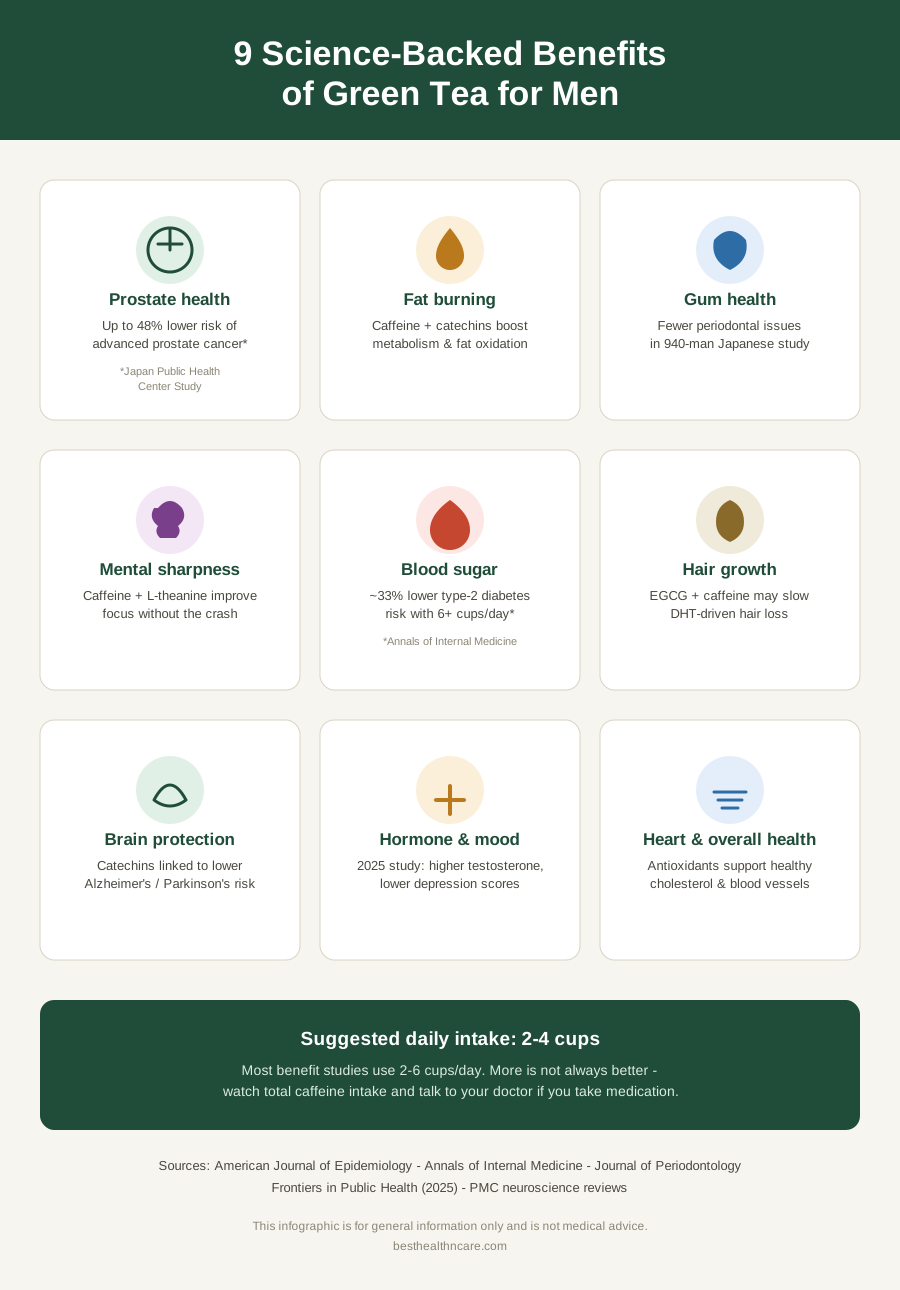

1. May Lower Prostate Cancer Risk
Prostate cancer risk rises with age, and it’s one of the most common concerns men search for when researching green tea. The evidence here is genuinely encouraging but not unanimous, so it’s worth understanding what the research actually shows rather than a single headline stat.
A large prospective study of Japanese men published in the American Journal of Epidemiology found that drinking five or more cups of green tea a day was linked to a substantially lower risk of advanced prostate cancer, with the effect increasing at higher intake — though no clear link was found for early-stage, localized cancer. Other large cohort studies, including the Ohsaki Cohort Study, have not found a significant association, so researchers describe the overall evidence as promising but mixed rather than conclusive.
What’s more consistent: green tea is rich in polyphenols and catechins, compounds with laboratory-demonstrated anti-cancer activity, which is part of why it continues to be studied as a preventive dietary habit rather than a treatment.
This is general health information, not medical advice — talk to your doctor about your personal cancer risk and screening schedule.
2. Supports Fat Burning
Green tea contains both caffeine and catechins, a combination that’s been studied for its effect on metabolic rate and fat oxidation. The caffeine provides a mild metabolic boost, while catechins — particularly EGCG — appear to enhance the body’s ability to burn fat, especially during physical activity.
Green tea isn’t a substitute for diet and exercise, but it can be a reasonable addition to a broader weight-management routine. If you’re exploring other evidence-based tools, our guide to medically proven weight loss supplements breaks down what’s actually backed by research.
3. Reduces Gum Disease
A study of 940 Japanese men aged 49–59, published in the Journal of Periodontology, found that for every additional cup of green tea consumed per day, participants showed measurably better periodontal health — including shallower gum pockets and less bleeding on probing. Researchers point to green tea’s polyphenols, which appear to inhibit the growth of the bacteria responsible for gum disease.
For a fuller picture of oral health habits, see our guide on how to prevent gum disease.
4. Improves Mental Sharpness
Green tea pairs caffeine with L-theanine, an amino acid that’s been shown to promote calm alertness rather than the jittery spike associated with coffee. Together, these compounds are associated with improved attention, reaction time, and working memory in several small human trials — making a cup of green tea a practical option for a demanding workday without the crash that can follow other caffeinated drinks. If you’re comparing your options, we’ve also covered the benefits of drinking coffee every day.
5. Lowers Type 2 Diabetes Risk
A large study of Japanese adults published in Annals of Internal Medicine found that people who drank six or more cups of green tea a day had roughly a 33% lower risk of developing type 2 diabetes compared with those drinking less than one cup a week. Researchers believe green tea’s catechins may improve insulin sensitivity and help regulate blood sugar.
Six cups a day is a high bar for most people — even moderate, consistent intake is associated with benefit in other studies, so this is a habit worth building gradually rather than an all-or-nothing target.
6. Promotes Healthy Hair
Hair thinning becomes more common as men age, and some of the same compounds that make green tea beneficial elsewhere may help here too. Green tea contains B vitamins that support healthy follicles, along with EGCG, which laboratory studies suggest may help slow hair loss linked to DHT (dihydrotestosterone) — the hormone most associated with male pattern baldness. Antioxidants in green tea may also support scalp health more broadly.
This research is still developing, and green tea shouldn’t be treated as a cure for hair loss — but as part of a broader routine, it’s a low-risk addition.
7. May Support Testosterone and Mood
This is one of the more interesting recent findings for men specifically. A 2025 controlled study published in Frontiers in Public Health followed 280 middle-aged and older men and found that long-term green tea drinkers had significantly higher testosterone levels, lower systemic inflammation, better sleep, and lower depression scores than non-drinkers. The researchers linked this partly to green tea’s ability to reduce inflammation, which is increasingly understood to play a role in both hormone regulation and mood.
This is a single study rather than settled science, but it’s a promising, male-specific angle that’s largely missing from older articles on this topic.
8. Protects Against Alzheimer’s and Parkinson’s
Alzheimer’s and Parkinson’s disease risk rises with age, and green tea’s catechins — especially EGCG — have been studied extensively for their neuroprotective potential. A comprehensive research review outlines how these compounds may reduce the oxidative stress and inflammation associated with both conditions, and may help protect the dopamine-producing neurons implicated in Parkinson’s specifically.
Much of this evidence comes from lab and animal studies, with human data still emerging — but combined with green tea’s other cardiovascular and metabolic benefits, it adds another reason to make it a regular habit.
9. Supports Heart Health
Cardiovascular disease is a leading health risk for men, and green tea’s antioxidants have repeatedly been linked to healthier cholesterol levels and improved blood vessel function in research. Regular drinkers in several long-term studies show a reduced risk of cardiovascular events, adding heart health to the list of reasons green tea is worth incorporating into a daily routine.
How Much Green Tea Should Men Drink?
Most of the research above shows benefits somewhere in the range of 2 to 6 cups per day, with some of the strongest effects (diabetes, prostate) observed at the higher end of that range. A practical, sustainable target for most men is 2–4 cups a day, brewed for 2–3 minutes in water just off the boil (green tea turns bitter if steeped too hot or too long).
More isn’t automatically better — very high intake increases total caffeine and can interfere with iron absorption (see below), so building up gradually and paying attention to how you feel is a reasonable approach.
Green Tea Side Effects and Who Should Avoid It
Green tea is safe for most healthy adults, but a few things are worth knowing:
- Caffeine sensitivity: Green tea contains less caffeine than coffee, but drinking several cups can still cause jitteriness, elevated heart rate, or sleep disruption in caffeine-sensitive people.
- Iron absorption: Compounds in tea can inhibit the absorption of non-heme (plant-based) iron. This matters most for people with, or at risk of, iron-deficiency anemia — consider drinking tea between meals rather than with them.
- Medication interactions: Green tea can interact with certain blood thinners, some blood pressure medications, and certain stimulant medications. If you take prescription medication, check with your doctor or pharmacist before making green tea a daily habit.
- Liver conditions: Very high doses of concentrated green tea extract (as opposed to brewed tea) have been linked to liver stress in rare cases. This applies primarily to supplement-form extracts, not brewed tea in normal amounts.
- Pregnancy and certain conditions: If you or a partner are pregnant, or if you have a diagnosed heart or liver condition, talk to a doctor about appropriate caffeine intake.
This is general information, not a substitute for personalized medical advice.
Green Tea vs. Matcha vs. Black Tea
| Green tea | Matcha | Black tea | |
|---|---|---|---|
| Made from | Steamed, unfermented leaves | Shade-grown leaves, ground to powder | Fully fermented (oxidized) leaves |
| Caffeine (per cup) | ~25–35 mg | ~35–70 mg (you consume the whole leaf) | ~40–70 mg |
| Antioxidant level | High | Very high (concentrated leaf) | Lower (oxidation reduces catechins) |
| Flavor | Light, grassy | Rich, slightly bitter, “umami” | Bold, robust |
| Best for | Daily, moderate-caffeine habit | Concentrated antioxidant intake | Stronger caffeine kick |
FAQ
Is green tea good for men’s fertility?
Some animal studies suggest very high doses of green tea extract may affect sperm quality, but normal dietary intake of brewed green tea (2–4 cups/day) has not been shown to negatively affect fertility in human studies. As with most areas of green tea research, moderate intake appears to be the safest approach.
Does green tea help with weight loss for men specifically?
Green tea can modestly support fat burning as part of a broader diet and exercise plan, largely due to its caffeine and catechin content — but it isn’t a standalone weight-loss solution.
What’s the best time of day to drink green tea?
Many people find mid-morning or early afternoon works best, since it provides a caffeine boost without the sleep disruption that can come from drinking it too close to bedtime.
Can green tea replace coffee?
For most people, yes — it offers a gentler, longer-lasting form of alertness thanks to the caffeine/L-theanine combination, with less of the crash associated with coffee.
Final Thoughts
Green tea is one of the simplest, most evidence-backed habits a man can add to his daily routine — supporting everything from prostate and heart health to hair, mood, and long-term brain health. The research isn’t uniform on every single benefit, and it’s not a replacement for medical care, but a consistent 2–4 cups a day is a low-cost, low-risk habit with a genuinely strong body of research behind it.
If weight management is part of your goal, take a look at our guide to medically proven weight loss supplements, and if coffee is still part of your routine, see how it compares in our piece on the benefits of drinking coffee every day.


Hi, I’m Mamon, the content creator behind this blog. I share my experience in blogging, WordPress, SEO, and affiliate marketing through honest product reviews, in-depth buying guides, and practical how-to articles. Every piece of content is thoroughly researched and written to help readers make informed decisions.